 Clearwater Roofing
 Palm Harbor sits in the north Pinellas County stretch along the Gulf-facing side of Tampa Bay, and the housing here is a real mix — established mid-century ranch homes, newer subdivisions built to current code, and waterfront and canal-front properties that catch the full brunt of the weather coming off the water. That range matters for window installation because an older aluminum-frame opening from the 1970s or 80s behaves differently than a newer stucco wall, and a home on a canal faces a different wind and rain load than one set back a few blocks. What every one of those homes shares is the same climate working against the windows year-round: hurricane-force wind events, intense year-round UV, wind-driven rain, and salt air pulled in off the Gulf and the bay. A correct window installation in Palm Harbor is built around that climate and around the specific opening in front of us — not just a new unit dropped into an old hole.
Why Window Installation Needs Extra Attention Here
Window installation is one of those jobs that looks simple from the outside — pull the old unit, set the new one, caulk it — and is actually decided by details most homeowners never see. In Pinellas County, those details carry more weight than they would inland. The county falls within Florida's wind-borne debris code region, which means replacement windows generally need to meet a specific impact rating and be anchored to the structure in a way that satisfies that code, not just whatever the old window's mounting happened to be. On top of that, Palm Harbor's older housing stock often has openings, framing, and stucco or siding conditions that don't match current standards, so a straightforward-sounding replacement can turn into a bigger scope once the old window comes out and the opening is actually visible.
None of that makes window installation here a complicated ordeal — it's routine work for a crew that does it regularly. But it does mean the job starts with an honest look at the opening and the home's exposure, not a quick measurement and a quote pulled from a catalog.
Older Homes vs. Newer Construction
A home built decades ago in Palm Harbor was very likely fitted with single-pane or early dual-pane aluminum windows that predate current wind and impact standards. Pulling those out often reveals framing, flashing, or wood that's been quietly dealing with moisture for years without anyone noticing, since the old window was doing just enough to keep water mostly out. Newer construction is more likely to already meet current code on paper, but that doesn't mean every window in it was installed correctly — sealant and flashing mistakes happen on new builds too, and they show up as the same leaks and drafts a few years down the line.
What the Climate Actually Does to Windows Here
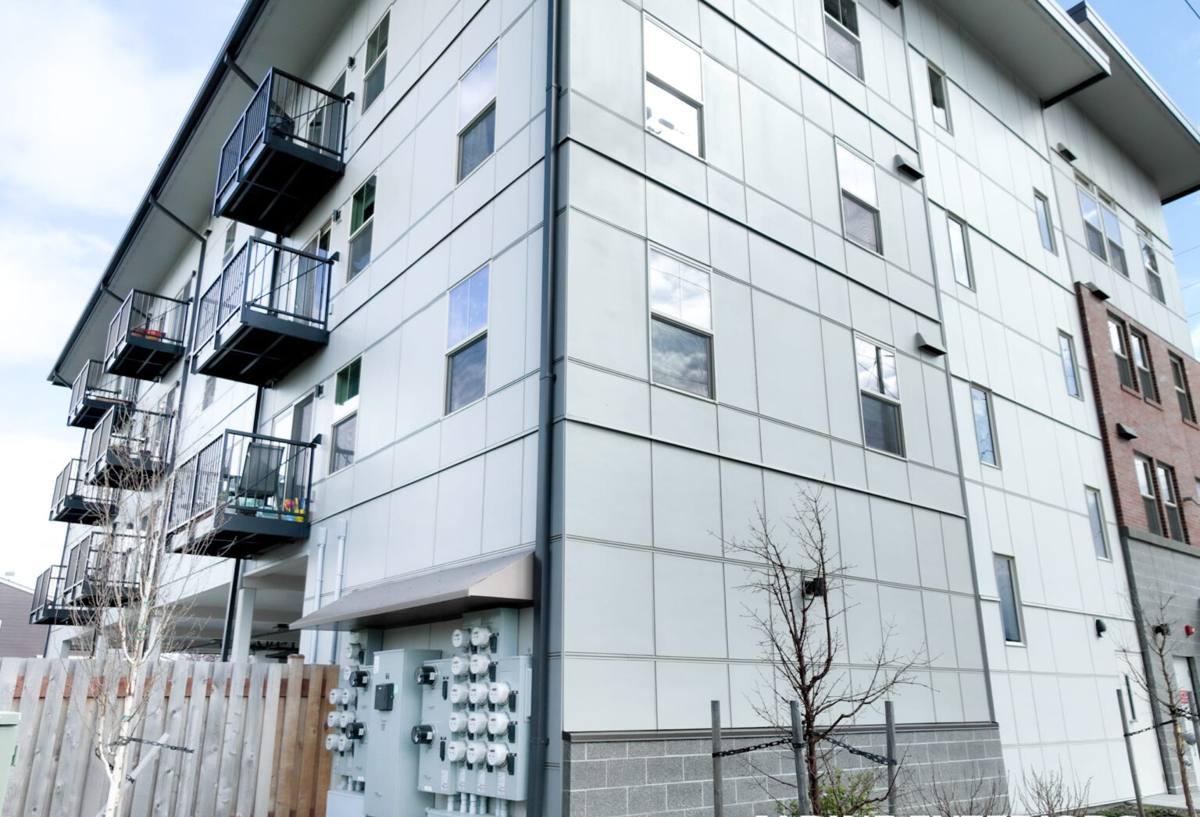
Four things do the damage, and they don't act one at a time. Hurricane-force wind events put direct pressure on glass and frames, and that pressure finds any weakness in the anchoring or the seal around the unit. Intense year-round UV breaks down lower-grade vinyl, weatherstripping, and sealants faster than it would in a milder climate, leading to yellowing, brittleness, and premature seal failure well before a window's expected service life is up. Wind-driven rain — during storms, but also during ordinary summer squalls — pushes water sideways into the wall assembly and tests every flashing detail around the opening, not just the window itself. And salt air off the Gulf and Tampa Bay is a constant, quiet process that corrodes hardware, fasteners, and screen frames whether or not a storm ever comes through that season.
None of that damage usually starts at the glass. It starts at the perimeter — the flashing above the head, the sealant joint at the sill, the fasteners holding the frame to the structure. Those are the parts of the job that decide whether a window installation is still tight and performing in five years, or starting to show drafts and staining well before then.
Signs Your Current Windows Are the Problem
- Fogging or a hazy film between the panes of a dual-pane window, which means the seal has failed and the insulating gas or air gap is gone
- Drafts you can feel around the frame, especially during windy weather or a storm
- Staining, soft spots, or discoloration on the wall or trim below or beside a window — a sign water is getting past the flashing
- Windows that are difficult to open, close, or lock, which often points to a frame that's warped or settled
- Visible daylight or gaps at the corners of the frame
- A noticeable jump in cooling costs without any other explanation, which can point to failed seals or an outdated, poorly rated unit
What a Correct Window Installation Involves
Assessment First
We start by looking at the actual opening — its size, its condition, and the wind exposure of that specific wall. A canal-front or bay-facing elevation gets evaluated differently than a more sheltered side of the same house. That assessment is what determines the impact rating and anchoring approach the new window needs to meet Pinellas County's wind-borne debris requirements, and it's a code question as much as a product one.
Removal and Opening Prep
Old windows come out carefully, and this is usually when hidden problems surface — rotted framing, old flashing that failed years ago, or stucco that was never properly detailed around the original opening. On an older Palm Harbor home, finding some of this isn't unusual. We address it as part of the job rather than treating it as a surprise change order once the opening is already exposed.
Flashing and Weatherproofing
This is the step that decides whether the installation actually holds up. Flashing has to be sequenced correctly — sill pan first, then side flashing, then head flashing, each one lapped over the layer below it — so wind-driven rain has nowhere to get behind the window and into the wall. Sealant is a backup to good flashing, not a substitute for it, and we treat it that way.
Setting, Anchoring, and Sealing
The new unit gets set square and anchored to meet the wind load requirements for that opening, not just tacked in place. Sealant joints get detailed to handle constant UV and salt exposure over years, not just look clean on install day.
Trim and Finish
Interior and exterior trim gets finished to match the home, and hardware and fasteners are checked for corrosion resistance before the job is called done — a detail that matters more here than it would somewhere further from salt water.
Common Window Situations We See in Palm Harbor
- Full replacement of original aluminum-frame windows — common in homes built before current wind and impact standards existed
- Impact-rated upgrades — replacing older units or storm-shutter-dependent windows with impact glass that meets current code on its own
- Waterfront and canal-facing installs — openings on the water side of a home that need a higher wind exposure evaluation than a sheltered wall
- Renovation and remodel openings — new or resized openings in additions and updated floor plans
- Sliding glass door and window combinations — common in Florida rooms and lanai conversions
- Repair-driven replacement — windows where flashing or framing failure has already caused water damage that needs correcting along with the new unit
Our Installation Process, Start to Finish
- On-site assessment — we measure every opening, evaluate wind exposure for each wall, and check for existing damage or substrate issues
- Honest recommendation — the impact rating and unit type that actually fits your home and its exposure, explained plainly
- Ordering — a realistic lead time for the units, since impact-rated windows are typically built to order
- Removal and prep — old windows come out carefully, with any hidden framing or flashing issues addressed before the new unit goes in
- Installation and anchoring — set square, anchored to meet wind load requirements for the opening
- Flashing, sealant, and trim — weatherproofing detailed for the specific opening, then finished to match the home
Materials and Ratings: What Matters in This Climate
| Factor | Why It Matters Here |
|---|---|
| Frame material | Vinyl and fiberglass generally hold up to sustained salt air and UV with less ongoing maintenance than an unclad wood exterior |
| Impact rating | Waterfront and bay-facing walls typically need a higher rating than a more sheltered elevation a few blocks inland |
| Glass coating | A quality Low-E coating cuts heat gain and UV transmission, which matters given how much direct sun Palm Harbor windows take year-round |
| Hardware and fasteners | Corrosion-resistant hardware holds up to salt air; standard-grade hardware corrodes faster this close to the Gulf and the bay |
| Opening condition | Rot, prior flashing failures, or out-of-square framing on older homes add prep work before the new unit goes in |
| Number of units | A whole-house or matched-set replacement typically has better per-unit economics than one-off replacements done over time |
A Note on Frame Material
We don't default to one frame material for every home. Vinyl and fiberglass are our starting recommendation for most Palm Harbor installs because they hold up well to salt air and constant UV without much upkeep, but there are situations — a specific architectural look, an interior finish preference — where a different approach makes sense. We'll walk through the honest trade-offs for your home rather than pushing one material regardless of the job.
Quick Checklist Before You Hire Anyone
- Confirm the installer will field-measure the opening and evaluate that wall's specific wind exposure, not just quote from a phone call
- Ask what impact rating the proposed units carry and whether it actually meets Pinellas County's requirement for your address
- Get the flashing sequence explained — sill, sides, then head — not just "we'll caulk it"
- Ask whether hardware and fasteners are corrosion-resistant as standard, not an upcharge
- Get a written, realistic lead time if the units are custom or impact-rated to order
- Confirm what's covered by the manufacturer's product warranty versus the installer's labor warranty, and get both in writing
Why Hiring a Crew That Works Palm Harbor Regularly Matters
Manufacturer installation instructions are written for average conditions, and a lot of Palm Harbor's housing doesn't qualify as average — older openings, waterfront exposure, stucco and siding details that vary block by block. A crew that doesn't work this area regularly can get the impact rating right on paper and still miss the calls that actually keep water out over time: how far a flashing lap needs to extend on a given wall type, which sealant actually holds up to constant salt and UV cycling instead of just looking good on install day, when an older opening needs framing correction before a new window goes in at all. Those aren't decisions a spec sheet makes — they're decisions made on the job by people who've done this work up and down this part of Pinellas County.
That local experience is also what keeps a project from turning into surprises. We've seen what tends to be hiding behind an original window in a home of a certain age here, and we plan for it up front instead of discovering it mid-job and re-quoting.
Ready for a Free Estimate
If you're dealing with drafty, foggy, or hard-to-operate windows, planning a renovation, or just want an honest read on whether your current windows are holding up the way they should in this climate, it's worth having someone look at the actual openings before you start pricing units. We offer free, no-pressure estimates for window installation in Palm Harbor and the surrounding Pinellas County area — use the form below to get a time on the schedule.