 Clearwater Roofing
 Belleair's Roofs Work Harder Than Most
Belleair sits close to the water, and that proximity shapes everything about how a roof ages here. Homes in this part of Pinellas County face a combination most inland properties never see: salt-laden air that accelerates corrosion on fasteners and flashing, intense year-round UV that breaks down roofing materials faster than in cooler climates, wind-driven rain that finds its way through gaps a dry-weather leak never would, and the periodic threat of hurricane-force winds that test every nail, seam, and shingle edge. None of this means a Belleair roof is doomed to constant problems. It means repairs have to be done with those specific stresses in mind, not treated like a generic patch job.
A roof repair that would hold up fine in a low-humidity, low-UV climate can fail within a season near the Gulf. That's the standard we hold every repair to on this page: not just "will it stop the leak today," but "will it hold through the next windstorm and the next decade of sun."
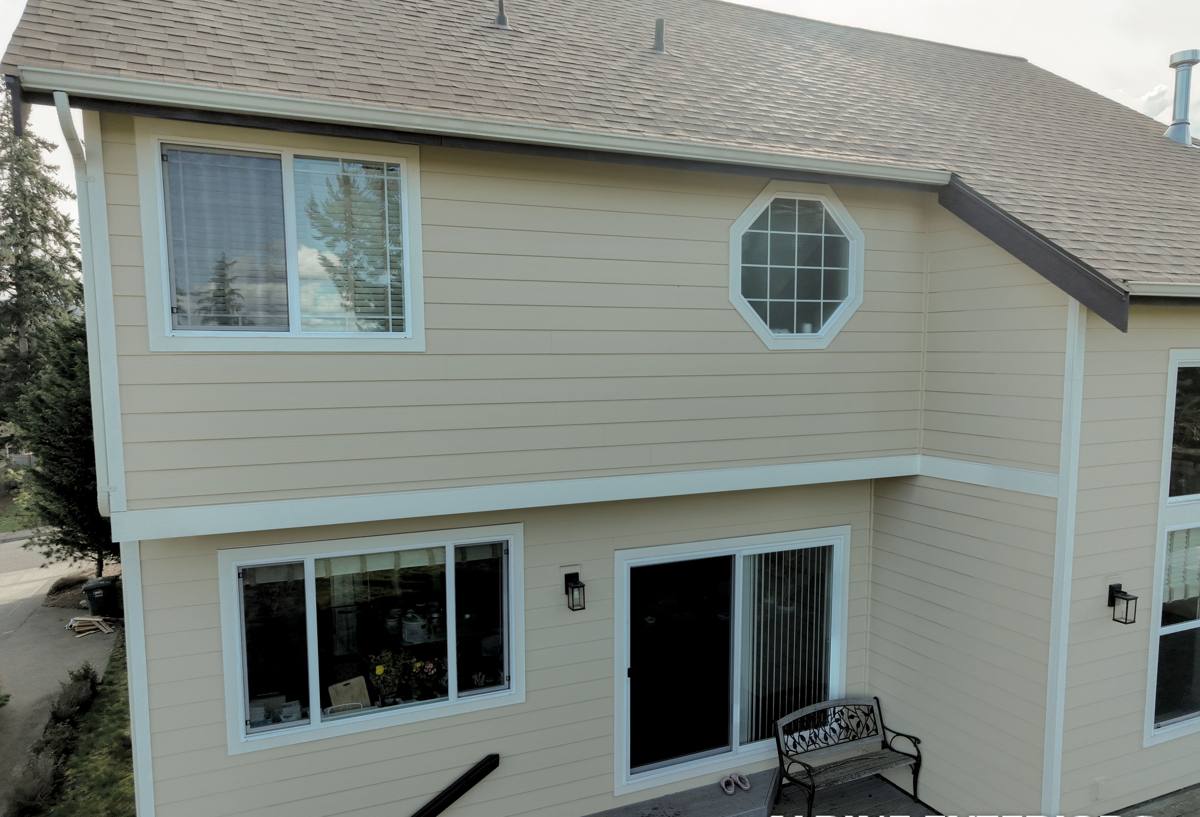
Signs a Belleair Roof Needs Repair — Not Replacement
Most homeowners call because of a visible leak, but leaks are often the last symptom to show up, not the first. Catching problems earlier keeps a repair a repair, instead of letting it grow into a full replacement.
What to look for
- Water stains on ceilings or upper walls, especially after wind-driven rain rather than straight-down rain
- Missing, cracked, or curling shingles, or cracked and slipped tiles
- Granules collecting in gutters or at downspout exits, a sign asphalt shingles are wearing thin
- Rust streaks or soft spots around flashing at chimneys, skylights, and roof-to-wall transitions
- Soft or spongy decking felt underfoot in the attic, indicating trapped moisture
- Visible daylight through the roof deck when viewed from inside the attic
If a roof is otherwise sound — decking is solid, the majority of the roofing material is intact, and damage is confined to a specific area — repair is almost always the right call, both financially and practically. Replacement only makes sense when damage is widespread, the roof is near the end of its expected life, or repeated repairs are treating symptoms of a failing underlying system.
Common Roof Types We Repair in Belleair
Belleair's housing stock includes a genuine mix of ages and architectural styles, which means we regularly work on several different roofing systems. Each one fails differently and needs a different repair approach.
| Roof Type | Typical Failure Point | Repair Consideration |
|---|---|---|
| Asphalt shingle | Wind-lifted edges, cracked seals, granule loss from UV exposure | Matching shingle profile and color; re-sealing tab adhesive; replacing damaged underlayment beneath |
| Clay or concrete tile | Cracked or slipped tiles, deteriorated underlayment beneath intact tile | Careful tile removal and reset without breaking adjacent tiles; underlayment is often the real culprit, not the tile itself |
| Metal (standing seam or panel) | Fastener backout, sealant failure at seams and penetrations, minor denting | Corrosion-resistant fasteners near the coast; matching panel profile for patch sections |
| Flat or low-slope (membrane) | Seam separation, ponding water, membrane punctures | Proper seam welding or sealing; addressing drainage, not just the puncture |
A repair that ignores the underlying system — for example, patching shingles over underlayment that's already failed — buys a few months, not years. We diagnose the whole assembly, not just the visible symptom.
What a Correct Roof Repair Actually Involves
It starts with finding the real source
Water travels. A stain on a bedroom ceiling doesn't mean the leak is directly above it — water can enter at a flashing point, chimney, or valley several feet away and run along the decking before dripping through. A repair that only addresses the spot where water appeared indoors, without tracing it back to the actual entry point, is a repair that will need to be done again.
It respects how the whole roof sheds water
Every roof is a system of overlapping layers designed to move water downhill and off the structure — shingles or tiles, underlayment, flashing, and drip edges all work together. A correct repair restores that overlap and sequencing correctly. Flashing that's reinstalled backwards, or shingles that are nailed without the right exposure, can look fine and still leak the first time wind drives rain sideways into it.
It accounts for what's underneath
Especially on tile and older shingle roofs, the underlayment beneath the visible surface is frequently the actual point of failure, even when the surface material looks intact. A repair that doesn't check underlayment condition in the affected area is only addressing half the problem.
Our Roof Repair Process
- Inspection and diagnosis. We examine the roof surface, attic (where accessible), flashing points, and any interior water staining to trace the leak or damage to its actual source.
- Honest assessment. We tell you plainly whether this is a repair situation or whether the damage points to a bigger problem worth knowing about now rather than later.
- Written estimate. You get a clear scope of work and price before anything happens — no surprise add-ons once the job starts.
- The repair itself. We match materials as closely as possible to what's already on your roof, address the underlying cause (not just the visible damage), and use fasteners and flashing suited to a salt-air environment.
- Final check. We confirm the repair area sheds water correctly and, where relevant, check nearby areas that could be the next point of failure.
Repair vs. Replacement: What Actually Drives the Decision
Homeowners often assume any leak means a new roof is coming. That's frequently not true. The honest factors that should drive the decision are below.
| Factor | Favors Repair | Favors Replacement |
|---|---|---|
| Roof age | Well within expected material lifespan | At or near the end of expected lifespan for that material |
| Extent of damage | Localized to one area or system | Spread across multiple sections or recurring in different spots |
| Decking condition | Solid, no widespread rot | Soft, delaminated, or rotted decking found in multiple areas |
| Repair history | First or infrequent repair | Same area repaired multiple times already |
| Insurance/storm damage | Isolated wind or debris damage | Widespread hurricane or hail damage affecting the whole roof |
We won't recommend replacement when a solid repair will genuinely do the job — and we'll tell you honestly if a repair is only going to be a short-term fix.
Questions Worth Asking Before You Hire Anyone
Roof repair is one of those trades where the difference between a correct job and a bad one isn't visible from the ground. Before hiring any contractor for a Belleair roof repair, it's worth asking:
- Are you licensed to perform roofing work in Florida, and can you provide proof of insurance?
- Will you inspect the underlayment and decking, not just replace surface material?
- What's your plan for matching existing shingle, tile, or metal profile and color?
- Do you provide a written estimate before work begins, with the scope clearly defined?
- What warranty applies to the repair labor, separate from any manufacturer material warranty?
- Will you check nearby flashing and penetrations while you're already on the roof?
A contractor who's willing to answer all of these clearly, without hedging, is a good sign. One who rushes past them is worth a second thought.
Why Local Experience in Belleair Matters
Roofing systems don't fail in a vacuum — they fail in response to specific local conditions, and Belleair's conditions are specific. A crew that regularly works homes in this area already understands how Gulf-driven storms tend to attack a roof from a particular direction, how salt air shortens the working life of certain fasteners and flashing metals, and how the mix of older tile roofs and newer shingle roofs in the neighborhood each need to be handled. That familiarity shows up in fewer surprises during the job and fewer callbacks afterward.
It also means faster response. When wind-driven rain from a Gulf storm finds a weak point in your roof, the time between "I noticed a stain" and "someone is up there fixing it" matters. A crew already working in and around Clearwater and Belleair can typically get to a leak faster than one coming from farther away.
Keeping a Repaired Roof in Good Shape
Once a repair is done correctly, a little ongoing attention keeps it — and the rest of the roof — in good condition longer, especially given how much UV and salt exposure this area sees.
- Have the roof visually checked after any major storm, even if nothing looks obviously wrong from the ground
- Keep gutters clear so water isn't backing up under the roof edge
- Trim back overhanging branches that can abrade shingles or tiles in high wind
- Address small issues (a lifted shingle tab, a loose tile) promptly before wind gets underneath them
If you're dealing with a leak, storm damage, or just want an honest read on your roof's condition, we're happy to take a look. Fill out the form below for a free, no-pressure estimate — we'll tell you straight whether you need a repair, and what that repair should actually involve.