 Clearwater Roofing
 Roof Replacement Built for Clearwater Beach Conditions
Homes on Clearwater Beach take a beating that inland Pinellas County properties simply don't see. You're dealing with direct salt air off the Gulf, sustained onshore wind, sand and grit in the air, and full-strength Florida UV with almost no tree canopy to soften it. A roof out here ages differently than one three miles inland, and a replacement job that doesn't account for that will show its weaknesses early — usually right when the next storm season starts testing it.
This page is specifically about full roof replacement for homes and small multi-unit buildings on Clearwater Beach. If you're just patching a leak or replacing a section, that's a repair job, not a replacement — but if your roof is old, storm-damaged, or failing in multiple spots, replacement is usually the more honest answer, and it's what we're covering here.
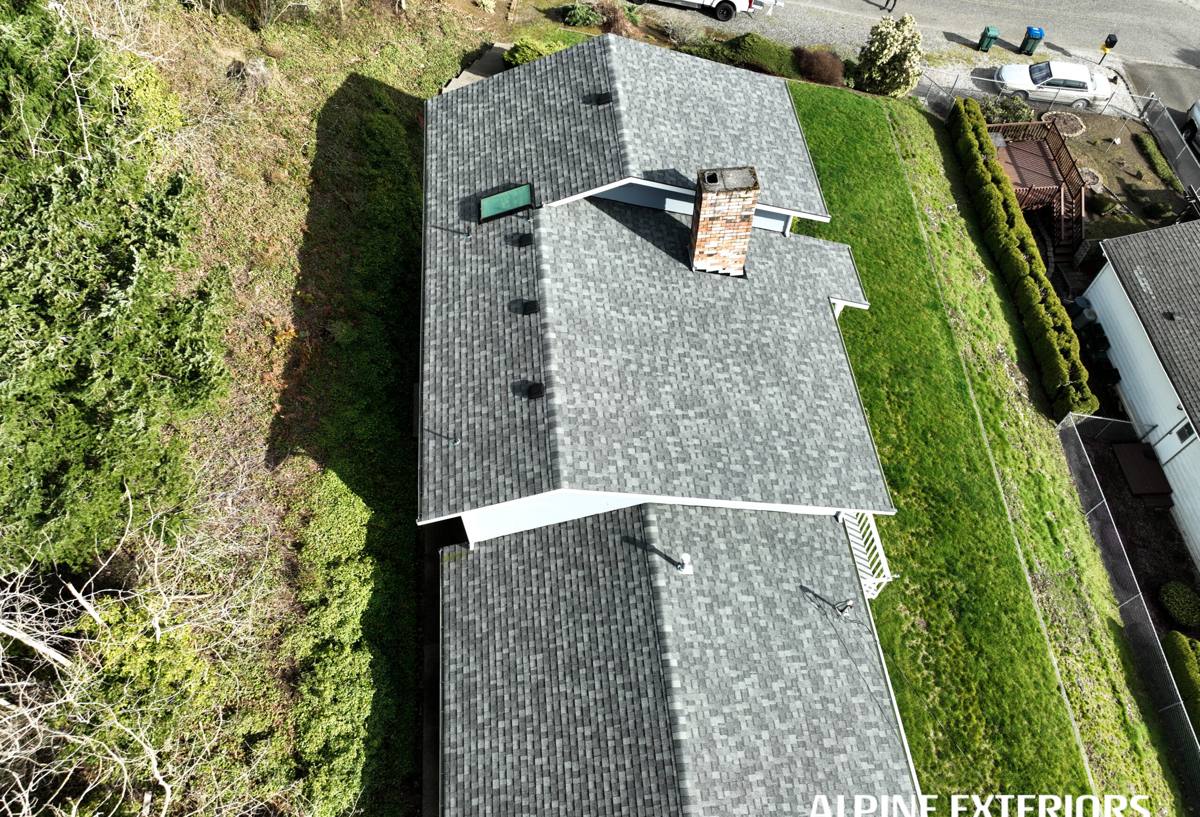
Why Clearwater Beach Roofs Wear Out Faster
A handful of specific conditions combine on the beach in ways that don't happen even a short drive inland:
- Salt air corrosion — metal fasteners, flashing, vent boots, and exposed hardware corrode faster near the Gulf. Standard-grade metal components can start showing rust well before a comparable roof inland does.
- Constant UV exposure — beachfront homes rarely have the shade cover that inland lots do. Shingles and membrane materials bake all day, every day, which accelerates granule loss and material breakdown.
- Wind-driven rain — Gulf-facing exposure means rain often hits the roof at an angle instead of straight down, which pushes water into laps, seams, and fastener penetrations that a "normal" roof detail wouldn't have to deal with.
- Hurricane-force wind loading — even outside of a direct hurricane hit, Clearwater Beach sees stronger sustained gusts than inland Pinellas County on a regular basis. Every year those wind cycles flex and fatigue roofing materials and their attachment points.
None of this means a beach roof is doomed — it means the replacement has to be specified and installed with these stressors in mind from the start, not treated like a generic re-roof.
Signs You're Looking at Replacement, Not Repair
Some roofs on the beach get replaced too early out of caution, and some get patched too many times when they should have been replaced. Here's a general guide:
| Condition | Usually Repair | Usually Replacement |
|---|---|---|
| Isolated leak, single source | Yes | No |
| Multiple leaks in different areas | No | Yes |
| Roof age near or past material lifespan | No | Yes |
| Widespread granule loss / brittle shingles | No | Yes |
| Visible deck sagging or soft spots | No | Yes |
| Storm damage limited to one section | Often | Sometimes |
| Recurring leaks after past repairs | No | Yes |
If you're not sure which category your roof falls into, that's exactly what an on-site inspection is for — it's a quicker and more honest answer than guessing from the ground.
What a Correct Roof Replacement Involves
Full Tear-Off, Not Overlay
On a beach property, we don't recommend installing new roofing over old layers. A full tear-off lets us actually see the deck, check for rot or water damage that's been hidden, and confirm the substrate is sound before anything new goes down. Skipping this step just buries problems under a new roof instead of fixing them.
Deck Inspection and Repair
Once the old roofing is off, the decking gets inspected board by board. Any wood that's soft, delaminated, or water-damaged gets replaced before we move forward — this is non-negotiable on a coastal property where hidden moisture is common.
Upgraded Underlayment
Given the wind-driven rain exposure on the beach side, a synthetic, high-adhesion underlayment system with sealed seams matters more here than it would on a sheltered inland roof. This layer is your backup defense if wind ever compromises the primary roofing material.
Corrosion-Resistant Flashing and Fasteners
Standard galvanized hardware doesn't hold up well in salt air over time. We spec corrosion-resistant flashing, vent boots, and fasteners specifically because of the beachfront environment — it costs a bit more up front and avoids early hardware failure that can undermine an otherwise good roof.
Wind-Rated Attachment
Fastener pattern and attachment method are adjusted to meet the wind exposure this location actually sees, not a generic inland spec. This is one of the areas where cutting corners doesn't show up as a problem until the next big wind event.
Material Options for Beachfront Homes
There's no single "right" material for every Clearwater Beach home — it depends on your home's structure, your budget, and how long you want the roof to last. Here's how the common options generally compare in this environment:
| Material | Wind Performance | Salt Air Durability | Maintenance |
|---|---|---|---|
| Architectural asphalt shingle | Good, when properly rated and installed | Moderate — UV and salt accelerate wear over time | Low to moderate |
| Metal roofing (standing seam) | Very good | Good with coastal-grade coatings and fasteners | Low |
| Tile (concrete or clay) | Good when fastened to current wind standards | Very good — tile itself doesn't corrode | Moderate — underlayment beneath tile is the real wear point |
| Flat / low-slope membrane | Depends heavily on installation detail | Moderate — seams are the vulnerability | Moderate to high |
We'll walk through the honest trade-offs for your specific home — including upfront cost, expected lifespan in this environment, and what upkeep looks like — rather than pushing one product as a universal answer.
Our Process for a Clearwater Beach Replacement
- On-site inspection — we look at the whole roof system: decking, flashing, ventilation, and current material condition, not just the obvious problem spots.
- Written estimate — a clear breakdown of scope, materials, and cost, so you know what you're paying for before any work starts.
- Permitting — Pinellas County and the City of Clearwater require permits for roof replacement, and coastal properties often have additional wind-mitigation requirements we handle as part of the process.
- Tear-off and deck repair — old roofing removed, deck inspected and repaired as needed before anything new is installed.
- Installation — underlayment, flashing, and final roofing material installed to the wind and moisture standards this location calls for.
- Final walkthrough and cleanup — site cleared of debris and materials, and we go over the finished roof with you before calling the job done.
Why Hire a Crew That Already Works Clearwater Beach
A roofing crew that mostly works inland neighborhoods isn't necessarily going to default to coastal-grade hardware, wind-rated attachment methods, or underlayment upgrades unless you specifically ask for them — because their day-to-day jobs don't require it. A crew that regularly works Clearwater Beach treats those upgrades as standard practice, not an upsell, because we've seen what happens to a roof out here that wasn't built for it.
Local, regular work in this area also means familiarity with the permitting process through Pinellas County and the City of Clearwater, realistic expectations about scheduling around storm season, and a working knowledge of how different products actually hold up in this specific microclimate over time — not just on paper.
A Practical Pre-Replacement Checklist
Before committing to a full replacement, it's worth walking through this list — either on your own or with whoever you have out for an inspection:
- Roof age — how many years old is the current material, and how does that compare to its expected lifespan?
- Leak history — has it been repaired multiple times in different locations?
- Visible wear — granule loss, curling, cracking, or rust at flashing and fasteners?
- Deck condition — any soft spots, sagging, or signs of past water intrusion?
- Ventilation — is the attic ventilated well enough to avoid trapped heat and moisture?
- Wind rating — was the current roof installed to today's wind standards, or an older, lower spec?
- Insurance and permitting — will your insurer require documentation of the new roof's wind rating, and has that been factored into the estimate?
Timing and Storm Season Considerations
Roof replacements can happen year-round in Clearwater, but scheduling around Florida's hurricane season is worth thinking about. If your roof is already showing significant wear, it's better to address it before storm season activity picks up rather than during it — both for safety during the work and because contractor schedules tend to fill up quickly once storms start moving through the Gulf. If you're unsure whether your roof will hold up through the season, that uncertainty alone is worth getting checked out sooner rather than later.
If you're weighing repair versus replacement, or just want a straight answer on where your roof actually stands, we're happy to take a look. Fill out the form below for a free, no-pressure estimate from a crew that works Clearwater Beach regularly.