 Clearwater Roofing
 Why Downtown Clearwater Roofs Age Differently
A roof in Downtown Clearwater does not wear the same way as a roof forty miles inland. The neighborhood sits close to Clearwater Harbor and the Gulf, which means salt-laden air is a constant presence on shingles, flashing, and fasteners. Add in Pinellas County's intense, nearly year-round UV exposure, seasonal tropical systems with hurricane-force gusts, and the kind of wind-driven rain that finds every gap in a roof system, and you have a climate that is genuinely hard on roofing materials. None of this means a roof is doomed to fail early — it means the roof has to be built and installed correctly for these specific conditions, not just installed to a generic national standard.
When we talk about roof replacement in this part of Clearwater, we are talking about a system that has to handle sun, salt, and storms at the same time, year after year. That changes some of the decisions that go into a replacement, from the underlayment to the fastening pattern to the flashing details around every roof penetration.
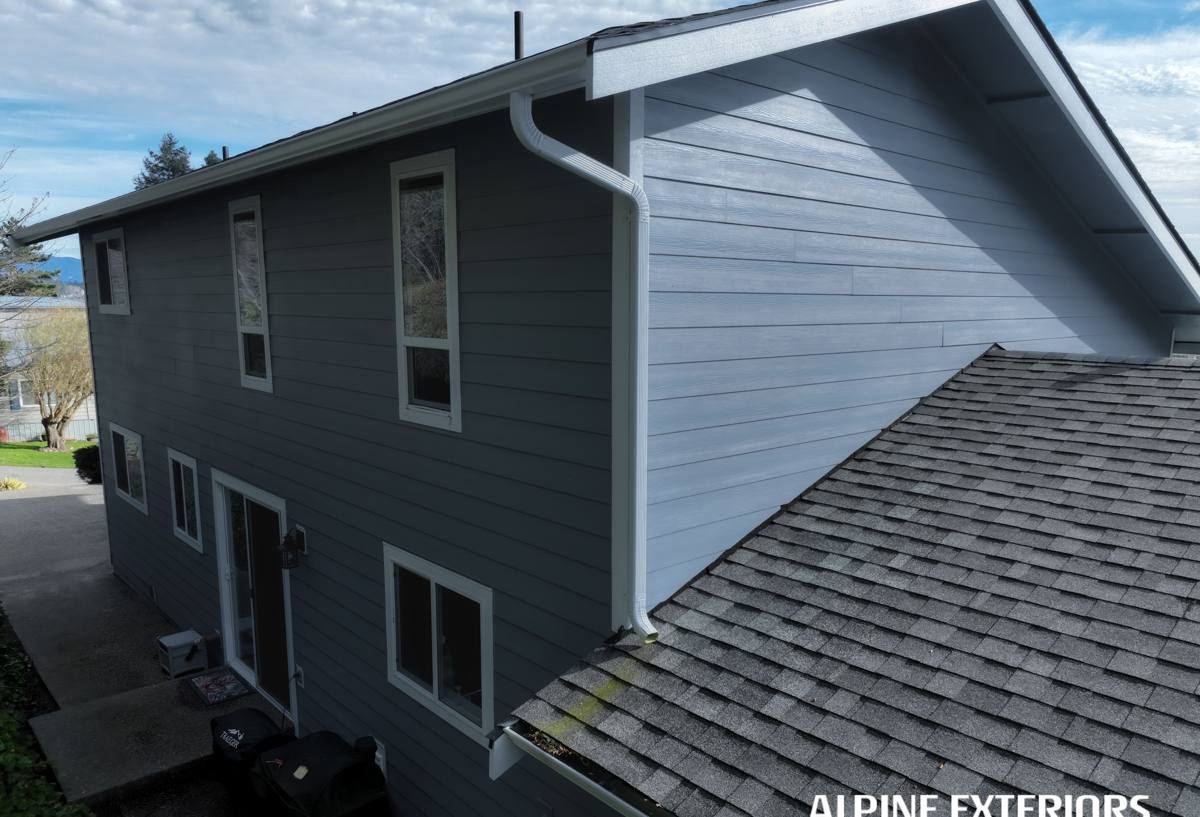
Signs a Downtown Clearwater Roof Needs Replacement, Not Repair
Not every roof problem calls for a full replacement, and a straight contractor will tell you when a repair is the honest answer. But there is a point where patching becomes throwing money at a system that is fundamentally used up. Common signs include:
Age and material wear
Most asphalt shingle roofs in this climate are realistically looking at replacement in the 15-20 year range, sometimes less if the roof has had heavy sun exposure or was under-ventilated. Granule loss, brittle or curling shingles, and repeated cracking are signs the material itself has reached the end of its useful life, not just a bad batch of shingles.
Storm and wind damage
After any significant wind event, it is worth having the roof looked at even if there is no obvious leak. Lifted or missing shingles, exposed nail heads, and damaged flashing can let water into the deck long before a ceiling stain shows up inside. If damage is scattered across the roof rather than isolated to one area, replacement is often more cost-effective than chasing repairs one section at a time.
Recurring leaks in different spots
One leak is a repair. Leaks that keep showing up in new locations usually mean the underlayment and decking have failed broadly, even if the shingles on top still look okay from the ground.
What a Correct Roof Replacement Actually Involves
A roof replacement is more than swapping old shingles for new ones. The parts you cannot see from the ground are what determine whether the roof holds up through the next decade of Gulf Coast weather.
Full tear-off and deck inspection
We remove the old roofing down to the deck rather than layering over it. This lets us see the actual condition of the plywood or OSB underneath — soft, delaminated, or water-stained decking gets replaced before anything new goes down. Installing a new roof over a compromised deck is one of the most common ways a "new" roof fails early.
Underlayment and moisture protection
In a coastal, storm-prone area, the underlayment is doing more work than in drier inland climates. We use materials suited to wind-driven rain and extended UV exposure during installation, with extra attention to self-adhering membrane at eaves, valleys, and other water-prone areas where wind can drive rain sideways under standard shingles.
Flashing at every penetration
Chimneys, vent stacks, skylights, and wall-to-roof transitions are where most leaks actually start, not in the open field of shingles. Correct flashing — properly lapped, sealed, and tied into the underlayment — matters more here than in calmer climates because wind-driven rain will find any shortcut.
Ventilation that matches the climate
Florida attics run hot. A roof system without adequate intake and exhaust ventilation traps heat and moisture, which shortens shingle life from the underside and can raise cooling costs. We size and balance ventilation as part of the replacement, not as an afterthought.
Material Options for Downtown Clearwater Homes
There is no single "best" roofing material for every home — it depends on budget, roof style, and how long you want to go before thinking about the roof again. Here is an honest comparison of the options homeowners in this area typically weigh:
| Material | Typical Lifespan Here | Wind/Storm Performance | Cost Position |
|---|---|---|---|
| Architectural asphalt shingles | 15-20 years | Good when rated and installed for local wind requirements | Most affordable, widely used |
| 3-tab asphalt shingles | 10-15 years | Lower wind resistance than architectural shingles | Lowest upfront cost |
| Standing seam metal | 30-50 years | Excellent wind uplift resistance when properly fastened | Higher upfront, lower lifetime cost |
| Concrete or clay tile | 30-50 years | Strong wind performance; underlayment condition matters as much as the tile | Higher upfront, heavier structural load |
Metal and tile cost more upfront but ask less of you over the life of the roof, which matters in a climate that stresses roofing materials harder than most of the country. Architectural shingles remain a reasonable, proven choice for many homes when the underlayment and flashing work is done right — the shingle itself is only part of what determines how the roof performs in a storm.
Wind and Building Code Requirements in Pinellas County
Pinellas County follows Florida Building Code wind provisions that are more demanding than what you'll find in most of the country, reflecting the real risk of tropical storms and hurricanes in this area. That affects several parts of a replacement: the wind rating of the shingles or roofing product, the fastening pattern and nail count, and permitting and inspection requirements through the local building department. A roof replacement here should be pulled under permit and installed to meet current wind-resistance standards for our area — not the minimum standard used in a calmer inland market. Skipping this is one of the most common ways homeowners end up under-insured or under-protected without realizing it until a storm hits.
Our Replacement Process, Start to Finish
We keep the process straightforward and communicate at each stage, since a roof replacement is disruptive enough without surprises.
- On-site inspection and honest assessment — repair vs. replace, with photos and a clear explanation
- Written estimate covering material options, scope of work, and timeline
- Permit pulled with the local building department before work begins
- Full tear-off, deck inspection, and any necessary deck repair
- Underlayment, flashing, and ventilation installed to current code and manufacturer specifications
- New roofing material installed with attention to fastening pattern and wind-rated details
- Site cleanup, including magnetic sweep for nails and debris removal
- Final walkthrough and municipal inspection sign-off
We do not push a bigger job than a roof needs, and we do not cut corners to hit a lower number on a bid. Both approaches cost homeowners more in the long run — one in wasted money, the other in premature failure.
Why Local Experience in Downtown Clearwater Matters
Downtown Clearwater has a mix of older, established homes and newer construction, often on smaller lots with mature tree canopy and close proximity to the water. That combination brings its own considerations: older roof decking that may need more careful evaluation during tear-off, tighter working conditions around neighboring structures, and the salt exposure that comes with being close to the harbor. A crew that regularly works this specific area already understands these factors, knows the local permitting process, and isn't learning the neighborhood's quirks on your job. That familiarity translates into fewer surprises, more accurate estimates, and a roof that's actually built for the block it sits on.
Protecting the Investment After Installation
A correctly installed roof still benefits from basic upkeep in this climate. We recommend periodic visual checks after major storms, keeping gutters and valleys clear of debris, and addressing any small issues — a lifted shingle edge, a gap in sealant around a vent — before they become water intrusion problems. We stand behind our workmanship, and manufacturer material warranties apply on top of that when the installation meets their requirements. Keeping documentation of the permit, inspection, and warranty paperwork also matters for insurance purposes if a storm ever does cause damage.
If your roof is showing its age or storm damage, we're happy to take a look and give you a straight answer about whether it needs full replacement or just targeted repair. Use the form below to request a free, no-pressure estimate for your Downtown Clearwater home.