 Clearwater Roofing
 Roofing a Harbor Oaks Home Is a Different Job Than Roofing Inland
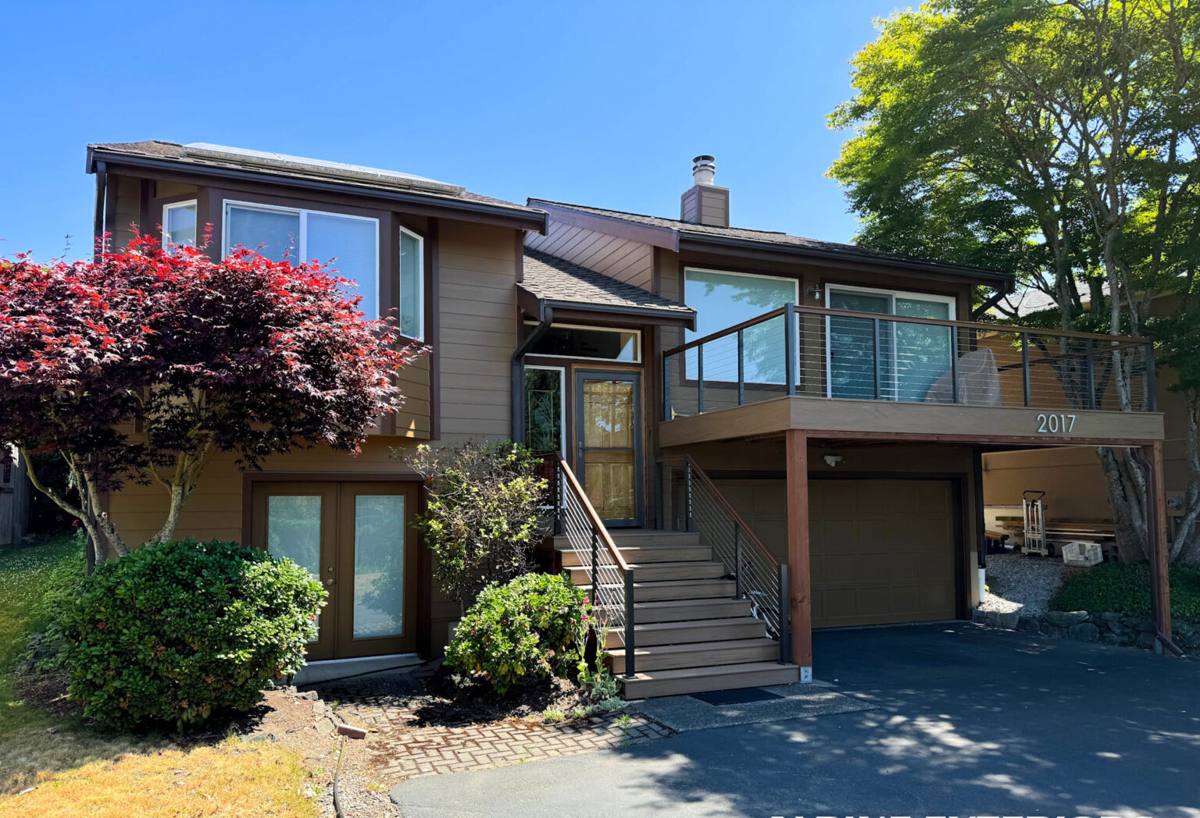
Harbor Oaks sits close enough to the water that every roofing decision here has to account for salt air, near-constant sun exposure, and the wind loads that come with living on the Pinellas County coastline. Like much of Clearwater, the neighborhood has a mix of home ages and roof styles, which means there's no single "standard" replacement here. What matters is that whoever tears off and reinstalls your roof understands how coastal exposure changes the materials, fasteners, and detailing choices compared to a roof going on ten miles inland.
We've replaced roofs throughout this part of Clearwater and the surrounding Pinellas County communities, so we're not learning the local conditions on your dime. We know what a roof needs to hold up here, and we build every replacement around that reality rather than a generic install.
What Clearwater's Climate Actually Does to a Roof
Hurricane-Force Wind
A roof isn't just a surface — it's a system that has to resist uplift. Wind doesn't push down on shingles or tiles, it pulls up on them, and it works on edges, ridges, and rakes first. A replacement done to code with the right fastening pattern and edge detailing is what keeps a roof intact when a named storm or a strong summer squall line comes through, not luck.
Intense, Year-Round UV
Florida sun breaks down roofing materials from the top down. Asphalt shingles lose their oils and granules faster here than in a milder climate, underlayment that isn't UV-stable degrades if it's ever exposed, and sealants dry out and crack years ahead of their rated life. Material selection and installation quality both matter more in a market with this much sun exposure.
Wind-Driven Rain
Rain that comes in sideways during a storm doesn't behave like rain falling straight down. It gets pushed up under shingle tabs, into exposed nail heads, and around flashing that's only "mostly" sealed. This is why underlayment quality and flashing detail work matter as much as the shingles or tiles themselves — the visible layer isn't what keeps water out in a wind event, the layers underneath are.
Salt Air
Being close to the coast means airborne salt settles on the roof and accelerates corrosion of any exposed metal — nails, flashing, vent stacks, and fasteners. Using the wrong grade of metal or fasteners on a coastal-proximity home is one of the more common corners cut in this trade, and it shows up as rust streaks and failed flashing well before the roof itself is due for replacement.
Signs a Harbor Oaks Roof Needs Replacement, Not Another Repair
- Granule loss heavy enough that you're finding grit in gutters and downspouts regularly
- Shingles that are cupping, curling, or cracking across large sections rather than one isolated spot
- Multiple past repairs in different areas, suggesting the roof is failing broadly rather than at one weak point
- Visible sagging anywhere on the roof deck, which points to structural or moisture damage below the surface
- Daylight visible through the roof deck from inside the attic, or staining on attic sheathing
- A roof approaching or past the manufacturer's expected service life for this climate, especially if it has never been through a full tear-off
- Rising insurance premiums or a carrier flagging roof age or condition during renewal
One or two of these on their own might mean a targeted repair is still reasonable. Several at once, or a roof that's simply reached the end of its realistic lifespan under Gulf coast sun and storms, is when replacement becomes the more honest recommendation — and the more cost-effective one over time.
What a Correct Roof Replacement Actually Involves
A roof replacement is more than swapping old shingles for new ones. Done correctly, it includes:
- Full tear-off of the existing roofing material down to the deck — never a layover, which traps moisture and hides deck problems
- Deck inspection and repair, replacing any plywood or sheathing that's soft, delaminated, or water-damaged before anything new goes down
- New underlayment rated for the climate, installed with the correct overlap and fastening for wind resistance
- New flashing at every roof penetration, valley, and wall intersection — reusing old flashing is a common shortcut that leads to early leaks
- Proper ventilation so the attic can release heat and moisture, which protects both the new roof and the home's energy efficiency
- Fastening to current Florida Building Code wind requirements, which in this part of the state are stricter than in most of the country
- Final inspection confirming the completed roof meets code and manufacturer installation requirements for the warranty to be valid
Material Options: Cost Factors for Harbor Oaks Homes
There's no single "best" material for every home — it depends on your roof's slope, your budget, and how long you plan to stay in the home. Here's how the common options compare for a coastal-proximity Clearwater property:
| Material | Typical Lifespan Here | Wind Performance | Maintenance | Relative Upfront Cost |
|---|---|---|---|---|
| Architectural asphalt shingle | 15–25 years | Good, with high-wind-rated products and correct fastening | Low to moderate | Lowest |
| Standing seam metal | 30–50 years | Excellent | Low | Highest |
| Concrete or clay tile | 30–50 years | Very good, but heavier and dependent on correct underlayment and fastening | Moderate (underlayment beneath tile still ages and needs eventual replacement) | High |
| Flat/low-slope membrane (for additions or porch roofs) | 15–20 years | Good when properly adhered and detailed | Moderate | Moderate |
We'll walk you through which option fits your specific roof and budget rather than pushing one product across every job. The right call depends on your roof's structure and slope as much as personal preference.
How Our Roof Replacement Process Works
- On-site inspection. We assess the current roof, deck condition, ventilation, and any problem areas before recommending replacement over repair.
- Written estimate. You get a clear scope of work and price — no vague allowances or surprise add-ons discovered mid-job.
- Permitting. Roof replacements in Clearwater and Pinellas County require a building permit and inspection. We handle that process as part of the job.
- Material delivery and site protection. We stage materials and protect landscaping, driveways, and pool areas before work begins.
- Tear-off and deck inspection. Old roofing comes off completely, and any damaged decking is identified and replaced.
- Underlayment, flashing, and ventilation installation. This is the layer that does the real work of keeping water out and heat from building up in the attic.
- Final roofing material installation, fastened to current wind code requirements for this area.
- Cleanup and magnetic sweep for stray nails and debris around the property.
- Final inspection and documentation you can hand to your insurance carrier, including anything relevant to a wind mitigation inspection.
Permits, Wind Mitigation, and Insurance
A new roof installed to current Florida Building Code standards can improve your wind mitigation inspection results, which in turn can lower your homeowner's insurance premium. Pinellas County requires permitted inspections on roof replacements, and skipping that process — or hiring a contractor who does — can cause real problems later if you ever need to file a claim or sell the home. We pull permits and schedule required inspections as a standard part of every replacement, not as an upsell.
What to Check Before Hiring Anyone for This Job
- Active Florida roofing license and general liability and workers' compensation insurance
- A written estimate that specifies materials, underlayment type, and fastening approach — not just "new roof, one price"
- Confirmation that the quote includes permitting and final inspection
- Manufacturer certification for the specific shingle, metal, or tile system being installed, since this affects warranty validity
- A clear answer on how decking repairs are priced if damage is found once tear-off begins
- References or completed work you can actually verify, not just claims
- Local presence — a contractor who's worked in your specific area understands the wind exposure and code requirements without a learning curve
Why Local Harbor Oaks Experience Matters
Every roofing crew can install shingles. Fewer have spent real time working the coastal edge of Pinellas County, where salt air, sustained UV, and hurricane season aren't occasional concerns but year-round design constraints. That experience shows up in the details — the fastener grade we choose, how we detail flashing around penetrations, and how conservatively we treat wind uplift requirements. It's also why we can give you a straight answer about what your specific roof needs instead of a one-size-fits-all recommendation.
If your Harbor Oaks home's roof is showing its age or you just want an honest opinion on repair versus replacement, we're happy to take a look. Request a free, no-pressure estimate using the form below and we'll walk the roof with you and lay out your options in plain terms.