 Clearwater Roofing
 Asphalt Shingle Roofing Built for Safety Harbor's Climate
Safety Harbor sits in Pinellas County, tucked along Old Tampa Bay just northeast of Clearwater, and homes here face a specific combination of stresses that a lot of shingle roofs simply aren't installed to handle. It's not one big threat — it's the year-round layering of intense UV exposure, salt-laden air off the bay, wind-driven rain during summer storms, and the periodic hit of hurricane-force gusts that pulls a roof apart over time. An asphalt shingle roof that's installed correctly for this environment can perform well for its full service life. One that's installed to a generic standard, without accounting for local conditions, tends to show problems years before it should.
This page focuses specifically on asphalt shingle roofing for Safety Harbor properties — what the local climate demands, what a correct installation actually involves, and how we approach the work when we're on your roof.
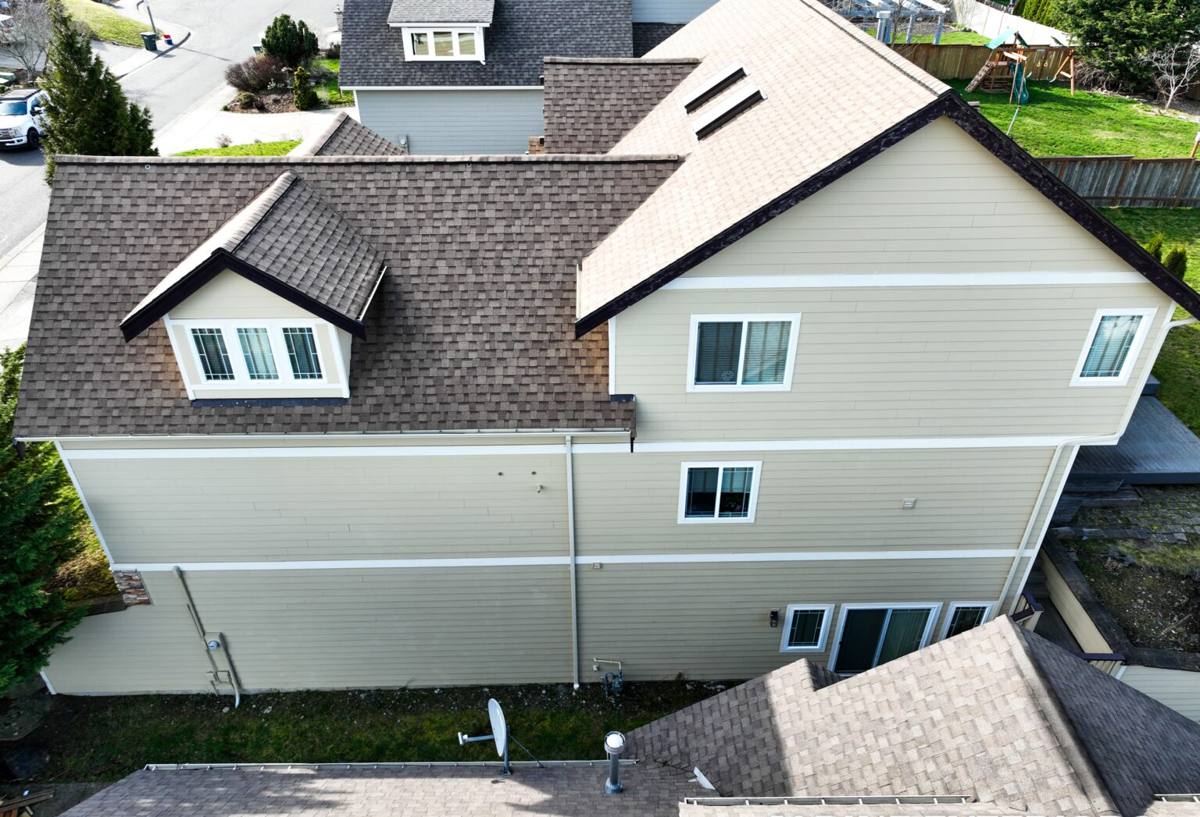
What Clearwater-Area Weather Does to a Shingle Roof
Every roofing material has a weak point, and for asphalt shingles in this part of Florida, the weak points get tested constantly rather than occasionally.
Wind
Gulf Coast storm systems and the occasional direct hurricane threat mean shingles need to be rated and installed for real wind resistance, not just nailed on and left to the manufacturer's minimum spec. Wind doesn't usually strip a whole roof at once — it finds the one shingle with a missed nail or a weak seal strip and works outward from there.
UV and heat
Florida sun is relentless on a roof surface. UV breaks down the asphalt's oils over time, and repeated heating and cooling cycles stress the shingle's flexibility. Cheaper shingles or poor attic ventilation accelerate this — a shingle roof that can't breathe underneath bakes from both sides.
Wind-driven rain
It's rarely straight-down rain that causes leaks here — it's rain pushed sideways and upward under the shingle tabs during a squall. That's an installation issue as much as a material issue: underlayment, flashing details, and sealant application all matter more than the shingle brand.
Salt air
Being close to Old Tampa Bay means metal components on the roof — nails, flashing, vent stacks, drip edge — are exposed to salt-influenced air that speeds up corrosion compared to inland properties. This affects material choice more than most homeowners realize.
Signs a Safety Harbor Roof Needs Attention
Because the damage from Florida's climate is gradual, most shingle roof problems show warning signs well before there's an active leak. Worth checking periodically or after any significant storm:
- Shingles that look cupped, curled at the edges, or have lost their flat profile
- Bare patches where granules have worn off, or unusual granule buildup in gutters
- Any shingles that are cracked, torn, or missing entirely
- Soft spots or noticeable sagging anywhere on the roof plane
- Rust streaking or visible corrosion around flashing, vents, or nail heads
- Daylight visible through the attic, or damp insulation after rain
- Ceiling stains, especially near chimneys, skylights, or where two roof planes meet
- Shingles lifting at the tab, which usually means a broken or never-sealed adhesive strip
Any one of these on its own isn't necessarily an emergency, but they're worth a professional look before the next storm season rather than after.
What a Correct Asphalt Shingle Installation Actually Involves
Shingles get the attention, but they're only one layer of a system. A roof that fails early almost always failed because something underneath the shingles was done wrong or skipped.
Deck inspection and prep
Before anything goes down, the roof deck needs to be sound — no soft, rotted, or delaminated plywood. Installing new shingles over a compromised deck just hides a structural problem under new material.
Underlayment
A synthetic or self-adhering underlayment gives the roof a second line of defense if wind or water gets past the shingles. In wind-driven rain conditions like ours, this layer is not optional padding — it's what keeps a small shingle failure from becoming an active leak.
Nailing pattern and fastener count
Florida's wind requirements call for a specific number of properly placed nails per shingle, driven flush (not overdriven or underdriven) into the deck. This is the single most common shortcut on rushed jobs, and it's usually invisible until a storm exposes it.
Flashing and sealed penetrations
Valleys, chimneys, skylights, and roof-to-wall transitions are where the vast majority of leaks actually start — not the open field of shingles. Correctly formed and sealed flashing at every penetration matters more than almost anything else on the roof.
Ventilation
Balanced intake and exhaust airflow through the attic keeps shingle temperatures down and prevents moisture buildup underneath the deck. Poor ventilation shortens shingle life and can void manufacturer warranties, regardless of how well the shingles themselves were installed.
Wind rating for the region
Not every shingle sold nationally is rated for coastal Florida wind speeds. Pinellas County's building code requirements reflect the area's wind-borne debris exposure, and the installed system — shingle, underlayment, and fastening method together — needs to meet that rating, not just the shingle package alone.
Choosing the Right Shingle Type for Safety Harbor
Shingle options generally fall into a few tiers. The right choice depends on your budget, your roof's exposure, and how long you plan to stay in the home.
| Shingle Type | Wind Performance | Typical Lifespan | Best Suited For |
|---|---|---|---|
| 3-tab | Lower wind resistance | Shorter end of the range | Budget-conscious projects, secondary structures |
| Architectural / laminate | Stronger wind rating, better wind resistance from layered construction | Mid-to-long range | Most Safety Harbor homes; balances cost and durability |
| Impact-resistant / high-wind rated | Highest available wind and impact rating | Long range, often with stronger warranty terms | Exposed lots, waterfront-adjacent properties, homeowners prioritizing storm resilience |
We don't push one tier on every roof. A well-installed architectural shingle is a genuinely solid, proven choice for the large majority of homes in this area — the impact-resistant upgrade makes the most sense on roofs with more open wind exposure or for owners who want the added margin and potential insurance benefits that can come with it.
Our Process for Safety Harbor Roofing Projects
- Inspection and assessment — We walk the roof (or use a drone where access is limited) to evaluate the deck, existing shingle condition, flashing, and ventilation before recommending anything.
- Honest scope and options — You get a clear picture of what's actually needed: repair versus full replacement, and which shingle tier fits your situation and budget.
- Permitting — Pinellas County and local municipal permitting is handled as part of the job, not left for the homeowner to sort out.
- Tear-off and deck check — Old material comes off cleanly, and the deck is inspected and repaired as needed before anything new goes down.
- Underlayment, flashing, and shingle installation — Installed to the fastening pattern and flashing details the wind conditions here actually require.
- Cleanup and final walkthrough — Magnetic sweep for nails, debris removal, and a walkthrough so you know exactly what was done.
Maintenance That Actually Extends the Roof's Life
Asphalt shingle roofs in this climate benefit from periodic attention rather than a "install and forget" approach. A yearly visual check, plus a look after any major storm, catches small issues — a lifted tab, a cracked pipe boot, a clogged gutter holding water against the eave — before they turn into deck damage or interior leaks. Keeping gutters clear and trimming back overhanging branches also reduces the debris and moisture load a roof has to deal with, particularly during the wetter months.
Why Local Experience in Safety Harbor Matters
A shingle roof installed by a crew that doesn't regularly work this specific stretch of the Gulf Coast is more likely to miss the details that matter here — the fastening standards Pinellas County wind exposure calls for, how to detail flashing against wind-driven rain, and how salt air factors into material and hardware choices near the bay. A crew that already works in and around Clearwater and Safety Harbor knows the local permitting process, understands the wind and moisture conditions firsthand, and isn't guessing at what "built for this area" actually means.
That local familiarity also shows up in smaller ways — knowing which roof orientations in this area tend to take the worst UV exposure, or which older Safety Harbor homes are more likely to have deck issues under the existing shingles. It's the difference between a roof that's technically installed and one that's installed correctly for where it actually sits.
Get a Straightforward Look at Your Roof
If you're weighing a repair, a full replacement, or just want an honest read on how much life your current shingle roof has left, we're glad to take a look. The estimate is free, there's no pressure attached to it, and you'll get a clear explanation of what we find and what your realistic options are. Use the form below to get started.