 Clearwater Roofing
 Why Safety Harbor Roofs Wear Differently Than Roofs Inland
Safety Harbor sits right on Old Tampa Bay, which means homes here take on a combination of stresses that inland Pinellas County properties don't deal with in the same way. Salt-laden air moves in off the water and settles on shingles, flashing, fasteners, and any exposed metal, accelerating corrosion and granule breakdown over time. Add in the tree canopy that gives many Safety Harbor neighborhoods their character, and you've got roofs that also deal with constant leaf litter, branch debris, and shaded areas that stay damp longer after a storm.
Then there's the wind. Clearwater and the surrounding Pinellas County coastline sit in a hurricane-exposed zone, and Safety Harbor's waterfront position doesn't offer any real shelter from tropical systems or the seasonal thunderstorms that roll through nearly every summer afternoon. Wind-driven rain during these storms doesn't just fall — it gets pushed sideways and upward under shingle edges, valleys, and flashing that isn't properly sealed. Layer in year-round, high-intensity UV exposure and you have a roofing environment that punishes shortcuts. A new roof installed here needs to be built for this specific combination of conditions, not just installed to a generic code minimum.
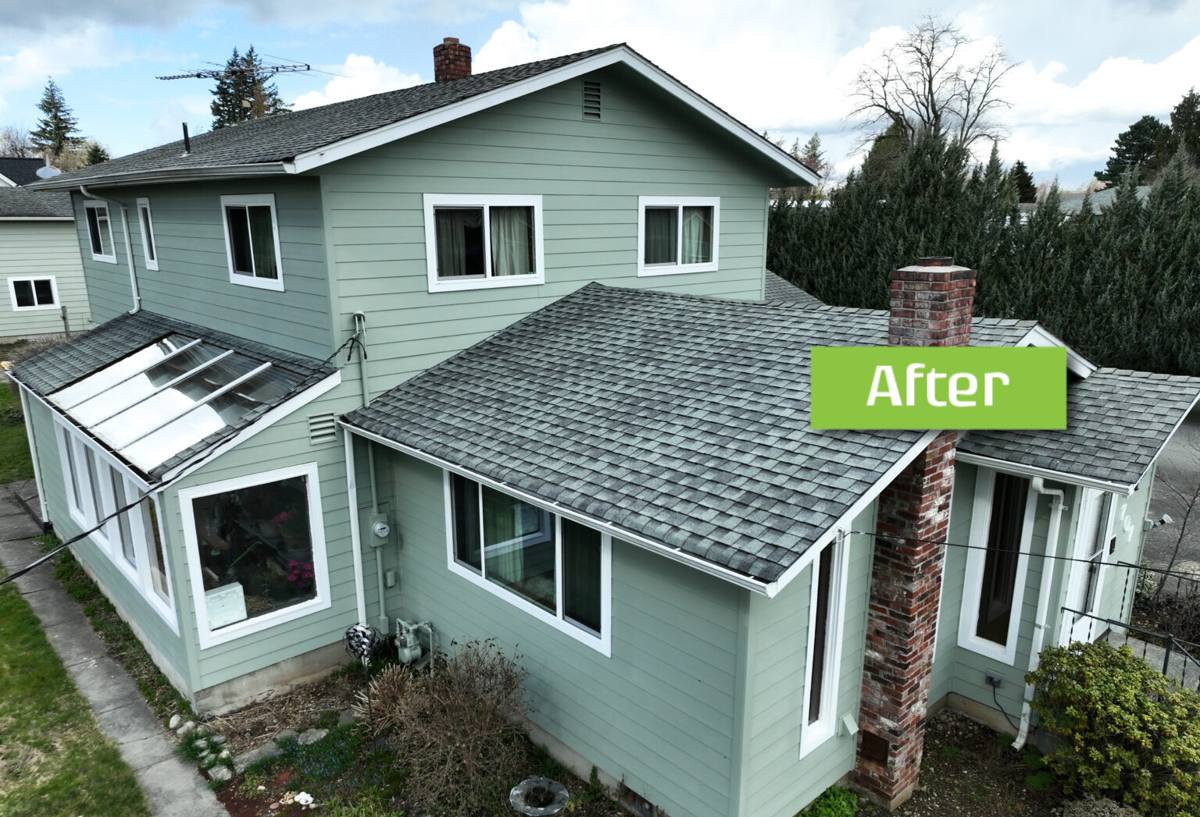
Is It Time for a New Roof, or Just a Repair?
Not every roofing problem means a full replacement, but in a climate like this, small issues tend to compound faster than homeowners expect. Here's how we help Safety Harbor homeowners think through it.
Signs That Usually Point to Full Replacement
- Shingles that are cupping, curling, or losing granules across large sections of the roof, not just one spot
- A roof approaching or past the manufacturer's expected service life for its material and local exposure
- Soft spots or visible sagging in the roof deck, which often means moisture has reached the wood underneath
- Repeated leaks in different locations after storms, rather than one isolated failure point
- Visible daylight through the attic decking, or insulation that's damp or discolored
- A recent wind mitigation or insurance inspection flagging the roof's age or condition
When a Repair Still Makes Sense
If the roof is younger, the damage is isolated (a single blown-off ridge cap, one damaged flashing point, storm debris impact in one area), and the rest of the roofing system is sound, a targeted repair is the honest recommendation. We'd rather tell a homeowner their roof has a few good years left than sell a replacement it doesn't need yet.
What a Correct New Roof Installation Actually Involves
A roof is a system, not a single layer of shingles. Skipping any one part of that system is where most premature failures in this climate start.
Tear-Off and Deck Inspection
We remove the old roofing down to the deck rather than layering over it. This is the only way to actually see the plywood or OSB underneath — soft, delaminated, or water-stained decking gets replaced before anything new goes down. Installing a new roof over a compromised deck just hides the problem for a while.
Underlayment and Water Barrier
Given how much wind-driven rain this area sees, we pay close attention to underlayment coverage and self-adhering waterproof membrane at vulnerable points — valleys, eaves, and roof-to-wall transitions. This is the layer that protects your home if wind ever lifts or damages the outer roofing material during a storm.
Flashing and Penetrations
Chimneys, vent stacks, skylights, and wall intersections are where the majority of roof leaks actually originate — not in the open field of shingles. Correctly formed and sealed flashing at every one of these points matters more to long-term leak prevention than almost anything else in the installation.
Fastening for Wind Resistance
Nailing pattern and fastener count aren't just code checkboxes here — they're the difference between a roof that stays intact in high wind and one that doesn't. We follow manufacturer specifications and Florida Building Code wind requirements for the actual wind zone Safety Harbor sits in, not a lighter inland standard.
Ventilation
Proper intake and exhaust ventilation keeps attic temperatures and moisture in check, which extends shingle life and helps prevent the kind of trapped humidity that leads to deck rot in Florida's climate.
Choosing the Right Roofing Material for a Waterfront, High-Wind Climate
There's no single "best" roofing material — the right choice depends on your home's structure, your budget, and how much long-term maintenance you want to take on. Here's how the common options compare for a home in Safety Harbor's conditions.
| Material | Wind Performance | Salt Air / UV Durability | Maintenance |
|---|---|---|---|
| Architectural asphalt shingles | Strong when rated and installed to spec | Good; quality varies by manufacturer | Low to moderate |
| Standing seam metal | Excellent | Very good with proper coatings | Low |
| Concrete or clay tile | Excellent when properly fastened | Very good | Moderate (underlayment life matters most) |
| 3-tab asphalt shingles | Lower than architectural | Fair | Moderate; shorter service life |
For most Safety Harbor homes, we steer people toward architectural shingles or metal for the best balance of upfront cost and long-term performance in this environment. Tile is a strong option too, especially on homes already built to carry the additional weight, but the underlayment beneath it is what actually keeps water out — it deserves the same attention as the tile itself.
Our New Roof Installation Process
- Inspection and estimate. We walk the roof and attic, assess the deck, and give you an honest read on condition — including whether repair is realistic instead of replacement.
- Material selection. We go over the trade-offs above in plain terms based on your home and budget, with no pressure toward the most expensive option.
- Permitting. We handle the permit application with the appropriate local building department before work begins.
- Tear-off and deck repair. Old roofing comes off, the deck is inspected, and any damaged sections are replaced.
- Underlayment, flashing, and installation. The new roofing system goes on following manufacturer specs and current wind-rated fastening requirements.
- Cleanup and final inspection. The site is cleared of debris and nails, and the completed roof is inspected before we call the job done.
Permits, Codes, and Wind Mitigation Savings
Roof replacements in Pinellas County require a building permit and inspection — this isn't optional paperwork, it's what confirms the work meets Florida Building Code wind and structural requirements for your specific location. Skipping proper permitting can also create real problems later: unpermitted roof work can complicate a home sale or an insurance claim down the road.
A new roof is also one of the best times to get (or update) a wind mitigation inspection. Modern roofing materials, improved fastening methods, and secondary water barriers can qualify your home for meaningful savings on windstorm insurance premiums — which matter in a coastal Pinellas County market where those premiums are a real, ongoing cost of homeownership.
Why Local Experience in Safety Harbor Actually Matters
Roofing crews who work Safety Harbor regularly understand things that don't show up in a generic estimate: how mature tree canopy affects debris and ventilation, how proximity to Old Tampa Bay accelerates corrosion on fasteners and flashing, and how quickly summer storm cells can move in and force a schedule change. That kind of familiarity affects real decisions — material selection, flashing detail, and how a job gets sequenced around weather.
Local presence also matters after the job is done. If a fastener backs out or a flashing point needs attention after the first big storm tests a new roof, you want a crew that's still local and easy to reach, not one that finished the job and moved on to the next county.
Protecting Your Investment After Installation
A new roof is a long-term investment, and a little routine attention goes a long way toward getting the full service life out of it in this climate.
- Have the roof visually inspected after any major storm, even if you don't see obvious damage from the ground
- Keep gutters and valleys clear of leaves and debris, especially under tree canopy
- Watch for granule buildup in gutters, which can signal accelerated shingle wear
- Check attic ventilation isn't blocked by insulation or debris
- Address small flashing or sealant issues promptly rather than waiting for a leak to appear inside
- Keep your permit and inspection records along with your manufacturer warranty paperwork
If your Safety Harbor roof is showing its age, or you just want an honest read on whether repair or replacement makes more sense, we're happy to take a look. Reach out for a free, no-pressure estimate using the form below.