 Clearwater Roofing
 Custom Windows Built for Seminole's Climate
Seminole sits close enough to the Gulf that salt air, driving rain, and hurricane-season wind loads are part of daily life for every home in the area. Windows here don't just need to look good — they need to hold up to conditions that inland homes never deal with. A window that performs fine in a mild climate can fail early in Seminole: seals break down faster, aluminum pits and corrodes, and UV exposure breaks down vinyl and weatherstripping years ahead of schedule.
Custom windows solve a problem that off-the-shelf replacement units can't: they're built to fit your home's actual openings, in a frame material and glass package matched to Pinellas County's wind and moisture demands, instead of forcing your house to fit a standard size. That distinction matters more here than almost anywhere else in Florida.
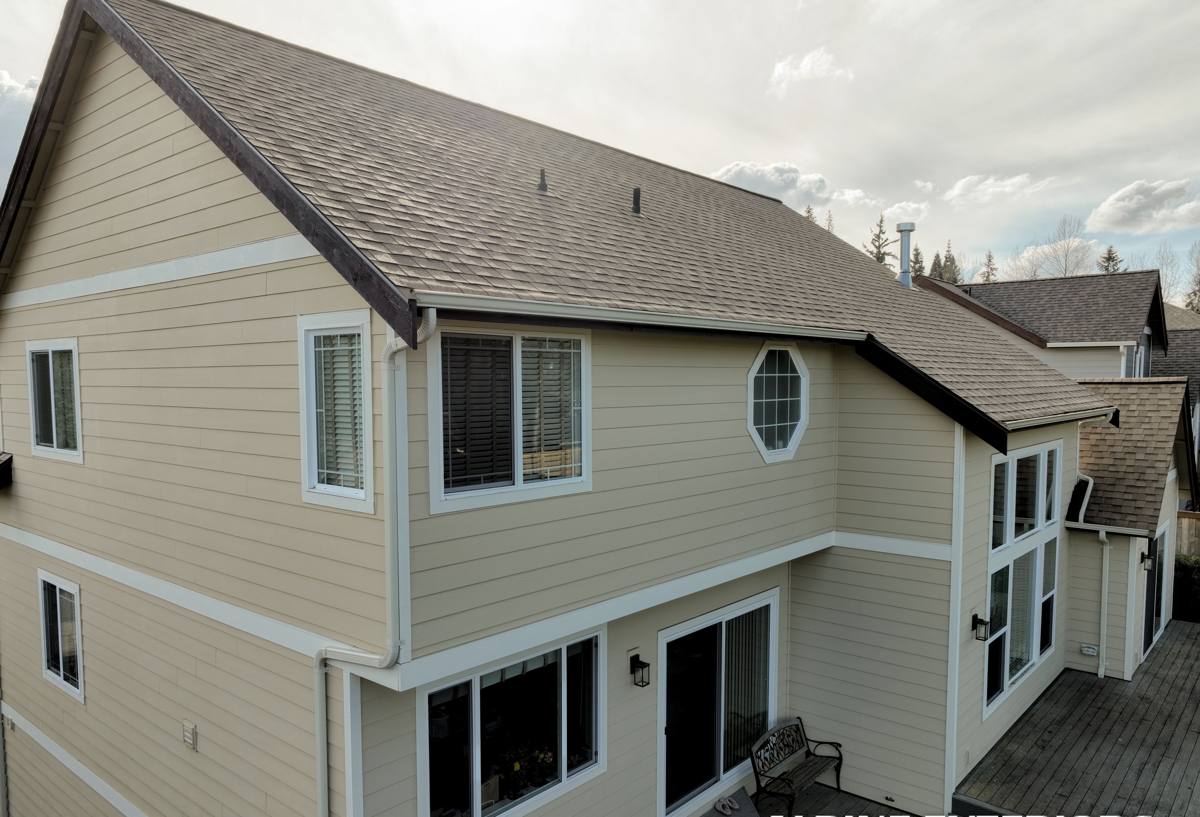
What "Custom" Actually Means
Custom doesn't mean expensive or fancy — it means measured and specified for your house, not pulled off a shelf. Most homes in and around Seminole were built in phases over several decades, so window openings are rarely uniform even within the same house. A correct custom job starts with precise measurement of each opening, not a rough estimate.
Where Custom Windows Make the Biggest Difference
- Older homes with settled or slightly out-of-square openings that standard-size units won't seal properly against
- Additions or renovated rooms where the opening doesn't match a stock size
- Homes where you're changing window style — for example going from single-hung to a picture window or casement — and the rough opening needs to be built out or reframed correctly
- Coastal-facing walls where the glass package and frame reinforcement need to be upgraded beyond what a standard unit offers
- Any home where matching sightlines and trim across the whole house matters for curb appeal
Wind, Rain, and Salt: What Seminole Windows Are Actually Up Against
Hurricane and Wind-Driven Rain
Pinellas County sits in an area where the Florida Building Code sets wind-load and water-infiltration requirements for exterior openings, and those requirements exist because the storms here are real. Wind doesn't just push against glass — it drives rain sideways under and around poorly sealed frames, and it puts uplift and pressure loads on the whole assembly that a weak installation won't survive. A window can carry the right rating on paper and still fail if it isn't anchored, flashed, and sealed correctly for the opening it's going into.
UV Exposure
Florida's sun is intense and constant, not seasonal. Over years, unprotected UV exposure fades interior finishes, breaks down vinyl frames, and degrades seals and gaskets faster than in most of the country. Glass packages with the right coatings cut down on heat gain and UV transmission without darkening the room noticeably.
Salt Air and Corrosion
Even a few miles inland from the Gulf, salt-laden air accelerates corrosion on hardware, fasteners, and lower-grade aluminum components. This is one of the most overlooked factors in window selection — a frame or hardware set that isn't rated for coastal exposure can start showing pitting and stiff operation years before it should.
Frame Material Comparison for Seminole Conditions
There's no single "best" frame material — the right choice depends on your budget, the exposure of that particular wall, and how much upkeep you want to do. Here's how the common options actually perform in this climate:
| Material | Coastal/Salt Air Performance | UV & Heat Behavior | Maintenance |
|---|---|---|---|
| Vinyl | Good — won't corrode, but lower-grade vinyl can warp under sustained heat | Quality vinyl with UV inhibitors holds color well; cheap vinyl fades and becomes brittle | Low — no painting, occasional cleaning |
| Aluminum | Fair to good if properly coated; uncoated or lower-grade aluminum pits and corrodes near the coast | Conducts heat more than vinyl or fiberglass; needs a thermal break for efficiency | Moderate — coating can wear and need attention over time |
| Fiberglass | Excellent — highly resistant to corrosion and doesn't expand/contract much with heat | Very stable in sun and heat, minimal warping | Low, but higher upfront cost |
| Wood-clad | Requires a well-sealed exterior cladding; raw wood is a poor coastal choice | Good insulating properties; interior wood needs UV-protected finish | Highest — cladding seams and finish need periodic inspection |
We'll walk through these trade-offs with you honestly during the estimate — including where a lower-cost option is genuinely fine for a sheltered wall, and where the coastal exposure on your home justifies spending more.
Glass Packages and Impact Options
Beyond the frame, the glass package is where a lot of the real performance difference happens. Impact-resistant laminated glass is worth understanding on its own terms:
- Impact-resistant laminated glass holds together under impact instead of shattering, which is why it satisfies opening-protection requirements without needing separate shutters or panels
- Low-E coatings reduce heat transfer and UV transmission while keeping the glass clear — this matters year-round in Florida, not just during storm season
- Insulated (double-pane) units cut down on both heat gain and outside noise, which is noticeable on busier streets or near US-19
- Tint and reflective options exist for west- and south-facing rooms that take the brunt of the afternoon sun, without needing dark interior shades
Impact glass isn't required on every wall of every home, and we won't sell you more than your house needs. Some homeowners choose it for the whole house for the insurance and convenience benefits; others prioritize it on the most exposed elevations and use a strong non-impact option elsewhere. We'll go over what makes sense for your specific layout.
Our Installation Process
- On-site assessment and measurement. We measure every opening individually — no assumptions based on the home's age or builder. We also check framing condition, existing flashing, and signs of past water intrusion.
- Product and glass selection. We go through frame material, glass package, and grille/style options based on your budget and how exposed each wall is.
- Permitting. Window replacement in Pinellas County requires a permit, and inspections verify the installation meets code. We handle the permit application and schedule inspections as part of the job — this isn't an optional add-on.
- Removal and opening prep. Old units come out carefully to avoid damaging surrounding stucco, siding, or interior trim. Any rot, deteriorated wood, or damaged framing gets addressed before the new window goes in — installing a new window over a bad opening just hides the problem.
- Flashing and sealing. Proper flashing and sealant application around the opening is what actually stops wind-driven rain from getting behind the wall. This step gets skipped or rushed more often than any other part of a window job, and it's where most leaks originate later.
- Anchoring to spec. Fasteners, anchoring points, and spacing follow the manufacturer's installation instructions for the tested assembly — this is what the wind-load rating is actually based on, not just the window unit itself.
- Interior and exterior finish work. Trim, caulking, and paint touch-up so the finished opening looks intentional, not patched.
- Final inspection and walkthrough. We confirm the permit inspection passes and walk you through operation and care before we consider the job done.
Signs Your Seminole Home's Windows Need Attention
- Fogging or moisture between panes on double-pane units — the seal has failed
- Difficulty opening, closing, or locking, especially after humid weather
- Visible daylight or a draft around the frame when closed
- Chalky, pitted, or discolored aluminum frames
- Soft or discolored drywall/trim near the window, which can point to water intrusion behind the frame
- Noticeably higher cooling bills without another clear cause
- Frames that feel warm to the touch on the interior side during peak sun hours
Any one of these on its own isn't necessarily urgent, but a few together — especially frame corrosion combined with a soft spot in nearby trim — usually means the window and possibly the opening behind it need a real look, not just caulk.
Why Hire a Crew That Already Works in Seminole
Window installation quality depends heavily on details that are specific to the local building department and the local climate — not just general carpentry skill. A crew that regularly works in Seminole and the broader Clearwater area already knows Pinellas County's permitting process, what inspectors look for on flashing and anchoring, and how badly a rushed seal job goes over time in this humidity. That familiarity shows up in fewer surprises during inspection and fewer callbacks for leaks down the road.
It also matters for honest product recommendations. A crew that's replaced windows on homes with the same coastal exposure as yours has a realistic sense of which frame materials and glass packages actually hold up here versus which ones look fine on a spec sheet but underperform once salt air and sustained heat get involved.
Maintenance That Actually Extends Window Life
Even the right window in the right frame material benefits from basic upkeep in this climate:
- Rinse frames and tracks periodically to clear salt residue, especially on homes closer to the water
- Keep weep holes clear of debris so water drains out instead of pooling in the track
- Inspect exterior caulking annually and re-seal any cracked or separated joints before rainy season
- Lubricate hardware on operable windows to keep locks and cranks working smoothly
- Avoid pressure-washing directly at seals and weatherstripping
Get a Free, No-Pressure Estimate
If you're dealing with fogged glass, sticking frames, corroded hardware, or you're just planning ahead of hurricane season, we're happy to take a look. Use the form below to schedule a free estimate — we'll walk your home, talk through what your specific openings and exposure actually call for, and give you straight answers before you decide anything.