 Clearwater Roofing
 When Repair Stops Being Enough
Most homes don't need a full siding replacement out of nowhere. It's usually the end point of years of small compromises — a repainted panel here, a re-caulked joint there — that eventually stop holding. In Seminole, that end point tends to arrive faster than it would inland. Intense year-round UV breaks down paint and coatings on sun-facing walls, wind-driven rain during storm season finds its way into joints and fastener holes that have loosened over time, and salt air off the nearby Gulf and Intracoastal keeps working on fasteners and finishes even on calm, dry days. Add in the wind loads that come with a Florida hurricane season, and siding that was marginal to begin with doesn't get a chance to recover between events.
This page is specifically about full siding replacement for homes in and around Seminole — what makes a replacement job correct rather than just cosmetic, how we approach the work here, and why hiring a crew that already understands this part of Pinellas County makes a real difference in the outcome.
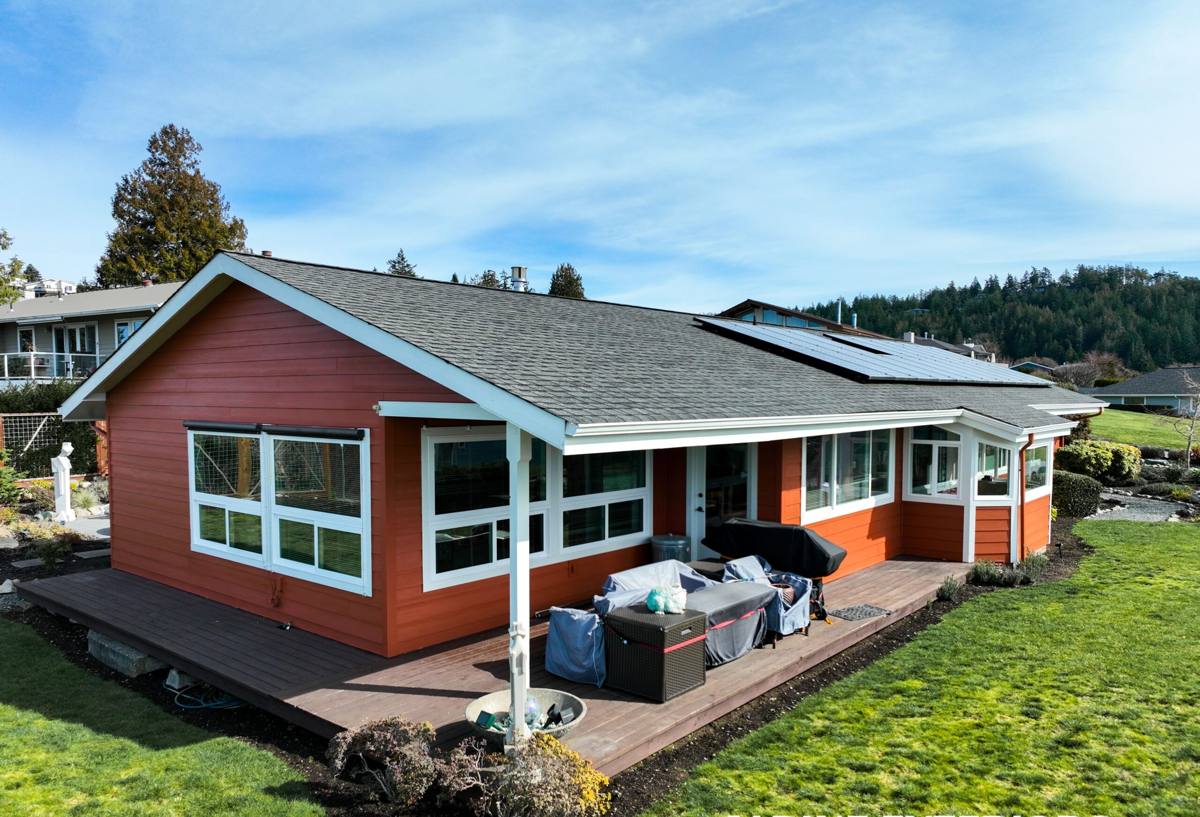
Signs a Seminole Home Needs Replacement, Not Another Repair
Some damage is obvious. Other damage hides behind trim and paint until it's further along than it looks. A few honest indicators that repair has run its course:
- Panels that feel soft, spongy, or give slightly under hand pressure, especially near the bottom courses or below windows
- Paint or coating failure — chalking, peeling, or persistent fading — that comes back within a year or two of being redone, usually worst on the sun-facing elevations
- Visible warping, buckling, or bowing across multiple panels rather than an isolated spot
- Gaps opening up at butt joints, corner trim, or window and door casings that weren't there a few years ago
- Mold, mildew, or dark staining that returns quickly after cleaning, which often points to moisture getting behind the siding rather than sitting on top of it
- Siding that's simply reached or passed the service life of the material it's made from, particularly on homes with original siding from decades ago
- Storm damage spread across more than one elevation, where patch repairs would leave an obvious mismatch in age and finish
Any one of these can sometimes be handled with a targeted repair. Several of them together, especially on an older home, usually mean the assembly underneath has been compromised long enough that a full replacement is the more honest recommendation.
What a Correct Full Siding Replacement Actually Involves
Tear-Off and Substrate Inspection
The old siding has to come off entirely — not just the visibly damaged sections — so the sheathing underneath can be inspected properly. This is the step that separates a real replacement from a quick re-clad, and it's where problems that were invisible from the outside, like soft sheathing or old water staining, actually get found and dealt with.
Weather Barrier and Flashing
A new weather-resistive barrier goes on the sheathing before any siding does, and flashing gets installed or replaced at every penetration and transition — window and door openings, roof-to-wall intersections, and any spot where two planes of the building meet. In a climate where wind-driven rain is a regular event rather than a rare one, this layer matters as much as the siding itself.
Fastening and Wind-Zone Compliance
Fastener type, spacing, and embedment aren't a matter of preference here — they follow the manufacturer's published specifications for our wind zone. Getting this wrong is one of the more common ways siding fails in a storm even when the material itself is rated for hurricane-force wind, because the material is only as strong as how it's actually attached to the wall.
Trim, Joints, and Finish Work
Corner trim, joint treatment, and caulking at transitions are what keep water from finding a way in over the following years. This is detail work that's easy to rush and hard to inspect once the job is finished, which is exactly why it deserves attention during, not after.
Our Replacement Process, Step by Step
- Exterior assessment. We walk the home, check trim, flashing, and any accessible signs of what's happening beneath the current siding, and put together an honest scope and estimate.
- Material and color selection. We help homeowners choose the right James Hardie product line and ColorPlus finish for the home's style and exposure.
- Tear-off and inspection. Old siding comes off, sheathing gets inspected, and any repair needs are identified and discussed before moving forward.
- Weather barrier and flashing installation. A new barrier and flashing system go on correctly at every penetration and transition.
- Siding installation. Panels or planks go up to James Hardie's fastening, clearance, and joint specifications for our wind zone.
- Trim, caulk, and touch-up. Final detail work at corners, joints, and penetrations, plus any factory-finish touch-up needed.
- Walkthrough and cleanup. A final walk of the exterior with the homeowner, site cleanup, and warranty registration.
What We Sometimes Find Once the Old Siding Comes Off
Occasionally tear-off reveals sheathing damage, old moisture intrusion, or framing issues that weren't visible or knowable before the old siding was removed. This isn't unusual on homes with siding that's been failing quietly for a while, and it isn't something an honest contractor can promise won't happen. What we can control is how it's handled: we stop, document what we found, explain the options and the cost impact clearly, and get agreement before any additional work starts. No surprises buried in a final invoice.
Why We Replace With James Hardie, Not Vinyl or Engineered Wood
We install exclusively James Hardie fiber cement siding — not vinyl, not LP SmartSide or other engineered wood, and not other fiber cement brands. That's a standardization decision, not a sales pitch. Vinyl is lightweight and hangs on the wall with room to expand, which makes it more vulnerable to being pulled loose in sustained hurricane-force gusts than a rigid, mechanically fastened product. Engineered wood performs well in many climates, but it's still a wood-fiber product at its core, and Pinellas County's humidity doesn't give a compromised edge seal or field cut much chance to dry out before it starts absorbing moisture. James Hardie's HZ5 product line is engineered specifically for higher-humidity, higher-moisture climates like this one, its ColorPlus finish is factory-applied rather than field-painted, and it's non-combustible. For a full replacement — where the whole point is not doing this again in five or ten years — that combination is why we don't offer alternatives.
What Drives the Cost of a Siding Replacement
Every home is priced individually, but the same handful of factors move the number up or down on most Seminole jobs:
| Factor | Why It Matters |
|---|---|
| Total square footage and home height | More surface area and taller walls mean more material, labor, and staging |
| Number of existing siding layers | Homes re-sided before may have more than one layer to remove before sheathing is exposed |
| Sheathing condition | Rot or water damage found during tear-off adds repair scope before new siding can go on |
| Architectural complexity | Gables, dormers, and multiple roof lines add cutting, trim, and flashing detail |
| Access and site conditions | Tight lots, fencing, pools, and landscaping affect staging and protection needs |
| Trim, soffit, and fascia work | Replacing or repairing trim alongside siding adds scope but avoids a mismatched look later |
Why a Crew That Already Works in Seminole Matters
A siding replacement is easier to get right when the crew doing it already understands the area. That means knowing what Pinellas County's permitting and inspection process generally expects for a full re-side, being familiar with how local HOA architectural review works where it applies, and understanding how to stage a job efficiently on Seminole's residential lots without turning a homeowner's yard and driveway upside down for weeks. It also means fastening and flashing decisions get made with this specific wind zone and humidity level in mind by default, not looked up mid-project. None of that shows up on a glossy brochure, but it shows up in how smoothly the job actually goes.
What to Expect During the Project
Full siding replacement is disruptive by nature — there's no way around some noise, dust, and a work crew on ladders around the house for a stretch of days to a couple of weeks depending on the home's size and complexity. We protect landscaping, walkways, and outdoor living areas before work starts, keep the site secured at the end of each day, and plan around Florida's wet season and storm forecasts rather than pushing through weather that would compromise the work. Communication matters here — homeowners should know roughly what's happening each day and get a heads-up before anything unexpected changes the plan.
A homeowner going into a siding replacement should feel comfortable asking about all of the above before signing anything:
- Is the estimate based on an actual exterior walk, or a rough guess
- What happens, cost-wise, if the tear-off reveals sheathing damage
- What fastening and flashing specifications will be followed for this wind zone
- What the warranty covers, and who backs it — the manufacturer, the installer, or both
- How the property will be protected and cleaned up each day of the project
If your Seminole home's siding is past the point where another repair makes sense, we're happy to take a look and walk you through what a correct replacement would actually involve for your specific house. Reach out below for a free, no-pressure estimate — there's no obligation, just an honest assessment.