 Clearwater Roofing
 Siding Installation for Harbor Oaks Homes
Harbor Oaks sits close enough to Clearwater Harbor and the Gulf that homes here take a specific kind of beating year-round: salt-laden air, intense UV exposure almost every month of the year, wind-driven rain that finds every gap in a building envelope, and the occasional direct hit from hurricane-force wind gusts. Siding in this neighborhood isn't just a cosmetic decision — it's the first line of defense between that climate and the framing, sheathing, and insulation underneath it. We install siding in Harbor Oaks regularly enough to know which failure patterns show up here specifically, and we build every job around avoiding them.
This page covers what siding installation actually involves for a Harbor Oaks home, what we install and why, and how our process is built around Pinellas County's climate rather than a generic national playbook.
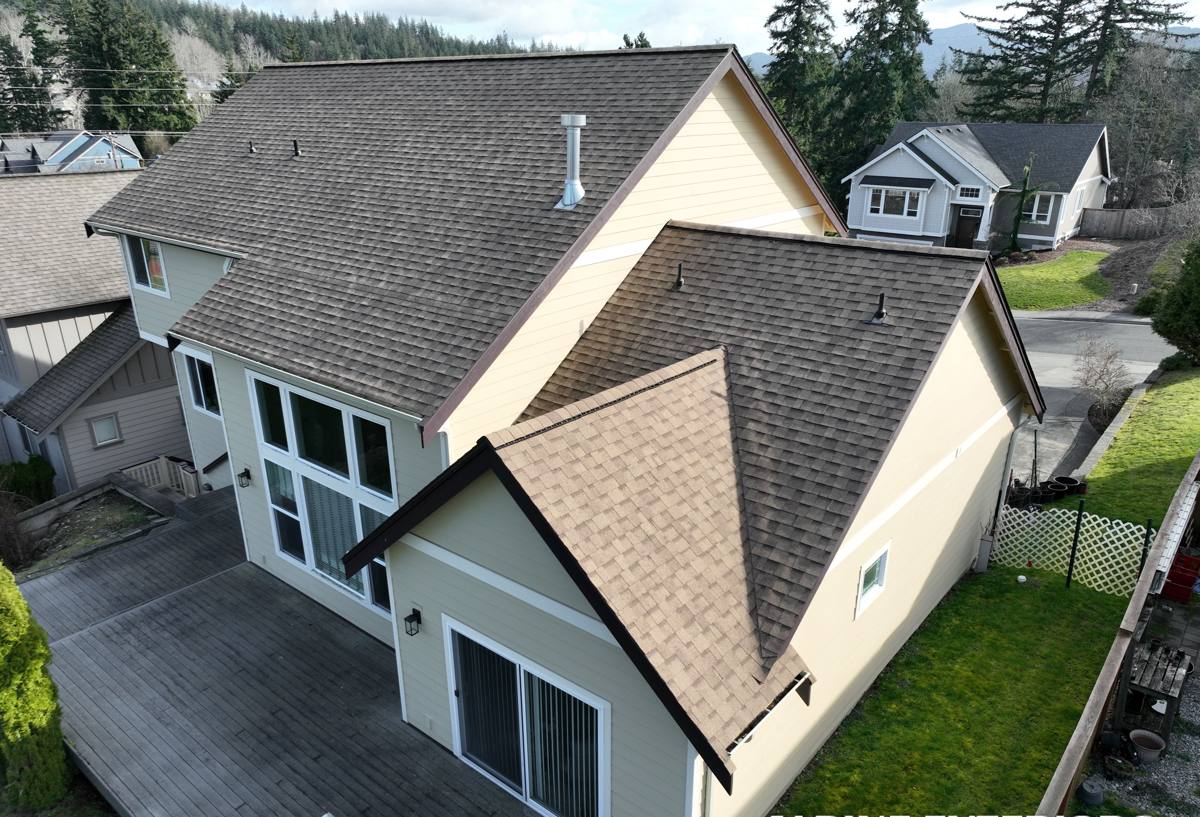
What Harbor Oaks Homes Need From Their Siding
Salt Air and Coastal Proximity
Homes closer to the water deal with airborne salt that accelerates corrosion on fasteners, trim accessories, and any metal components in the wall assembly. Siding material that absorbs moisture or swells with humidity compounds this problem, because trapped moisture behind the cladding speeds up corrosion on everything it touches. The material you choose and how it's fastened both matter more here than they would fifty miles inland.
UV Exposure
Florida sun is not seasonal — it's a year-round load on any exterior finish. Paint and coatings that aren't engineered for constant UV chalk, fade, and crack faster here than almost anywhere else in the country. A siding product with a factory-applied, UV-stable finish holds its color and its protective integrity far longer than field-applied paint on a siding substrate not designed for this exposure.
Wind-Driven Rain
Rain in a hurricane or strong squall doesn't fall straight down — it drives sideways into every seam, joint, and penetration in the wall. Correct flashing details, proper lap and overlap dimensions, and moisture-tolerant sheathing behind the siding matter as much as the siding material itself. A lot of siding failures we see in this area trace back to installation shortcuts around windows, doors, and butt joints, not the material failing on its own.
Wind Load
Pinellas County building code reflects the real risk of hurricane-force wind here. Fastener schedule, fastener type, and how tightly a product is rated to hold to the wall assembly under uplift and lateral pressure are not optional details — they're the difference between siding that stays put through a named storm and siding that peels off in sheets.
What We Install — And What We Don't
We install James Hardie fiber cement siding exclusively. We don't install vinyl, LP SmartSide, Cemplank, Allura, or primed wood products like spruce or cedar. That's a deliberate standard, not a sales position, and it's worth explaining honestly.
Vinyl siding is affordable and easy to install fast, but it softens and can warp in sustained high heat, and it's a poor match for direct storm-force wind exposure compared to a heavier, mechanically fastened product. Wood-based and wood-alternative products like primed spruce, cedar, or engineered wood siding depend heavily on paint film integrity to stay dry; once that film is compromised by UV or a moisture intrusion point, the substrate underneath is vulnerable to swelling and rot — a real risk in a climate with this much humidity and rain. Other fiber cement brands compete reasonably on paper, but we've standardized on one manufacturer so our crews, our fastening details, and our warranty conversations are consistent on every job rather than juggled across product lines.
James Hardie fiber cement is non-combustible, dimensionally stable in heat and humidity, and available in HZ5 formulations engineered specifically for high-humidity climate zones like ours. The factory-applied ColorPlus finish is baked on and UV-cured, which is a meaningfully different proposition than field-applied paint sitting on top of a fiber cement or wood substrate. It carries a strong transferable limited warranty when installed to Hardie's published specifications — which is precisely why installation quality matters as much as the product choice.
Fiber Cement vs. Other Common Siding Choices
| Factor | Vinyl | Wood / Engineered Wood | James Hardie Fiber Cement |
|---|---|---|---|
| Moisture behavior | Doesn't absorb, but seams can let water behind panel | Absorbs if paint film fails; risk of swelling/rot | Engineered for humid climates (HZ5); dimensionally stable |
| UV / color retention | Can fade and chalk over years | Depends entirely on paint maintenance cycle | Factory-cured ColorPlus finish resists fading |
| Wind/impact resistance | Lower impact resistance, can crack or blow off in high wind | Moderate, install-dependent | Heavier, non-combustible, engineered fastening schedule |
| Maintenance burden | Low, but limited repair options if cracked | Repaint cycle required to protect substrate | Low; no repainting needed for years under normal conditions |
| Fire performance | Combustible | Combustible | Non-combustible |
What Correct Installation Involves
The product is only half the equation. A Hardie installation done to spec in a coastal Pinellas County neighborhood includes:
- Proper weather-resistive barrier and correct overlap at every seam and penetration
- Manufacturer-specified fastener type, spacing, and embedment depth — undersized or overdriven fasteners are one of the most common causes of early failure
- Correct minimum clearance from grade, roofing, decks, and other abutting surfaces to keep the bottom edge of the siding out of standing moisture
- Properly flashed and caulked window and door transitions, since wind-driven rain finds these points first
- Correct panel and plank overlap dimensions per Hardie's published installation instructions, not a shortcut version
- Ventilation behind the cladding where the wall assembly calls for it, so any incidental moisture can dry out instead of getting trapped
Skipping any one of these doesn't show up as a problem on day one. It shows up two or three years later as a stain, a soft spot, a lifted plank after a storm, or a warranty claim that gets denied because the installation didn't match the manufacturer's spec. This is also why the manufacturer's transferable warranty matters — it's tied to correct installation, and a poorly installed job can forfeit coverage regardless of the product underneath it.
Our Process for Harbor Oaks Jobs
1. Assessment and Measurement
We walk the exterior, check existing siding and sheathing condition, note any moisture damage or rot that needs addressing before new siding goes on, and take precise measurements for material ordering.
2. Product and Color Selection
We walk through Hardie's plank profiles, panel styles, and ColorPlus palette options, and talk through what fits the home and the neighborhood's general character.
3. Tear-Off and Substrate Repair
Old siding comes off, and we address any compromised sheathing or framing found underneath before anything new goes up — covering a rot problem instead of fixing it just relocates the failure to later.
4. Weather Barrier and Flashing
Correct house wrap, flashing at every penetration and transition, and sealing details built for wind-driven rain go in before a single piece of siding is hung.
5. Installation to Manufacturer Spec
Fastening schedule, clearances, and overlaps follow Hardie's published instructions, sized for our local wind exposure category.
6. Final Walkthrough
We review the finished job with the homeowner, confirm caulking and paint touch-up at seams and trim, and cover warranty registration.
Why a Crew That Already Works Harbor Oaks Matters
A crew that regularly works this specific stretch of Clearwater already understands the typical setback and clearance issues on older coastal-adjacent lots, the drainage patterns around homes near the harbor, and the wind exposure categories that apply to this part of Pinellas County. That familiarity shows up in small decisions — how flashing gets detailed around an older window, where extra fastening makes sense given prevailing storm direction — that a crew unfamiliar with the neighborhood might not think to apply. It also means we're not learning the area's climate quirks on your dime.
Practical Checklist Before You Hire Anyone for Siding Work Here
- Ask what fiber cement product line they install and whether it's rated for high-humidity/HZ5 climate zones
- Confirm they follow the manufacturer's published fastening schedule, not a generalized one
- Ask how they handle window and door flashing details specifically
- Get clarity on what happens if rot or moisture damage is found once old siding comes off
- Confirm whether the warranty is transferable and what voids it
- Ask whether they've worked in your specific neighborhood before and what they watch for here
If your Harbor Oaks home needs new siding — or you're seeing early signs of trouble on what's there now — we're happy to take a look and give you a straightforward, no-pressure estimate. There's a form below to get that conversation started.