 Clearwater Roofing
 Siding Replacement for Skycrest: What This Neighborhood's Homes Are Up Against
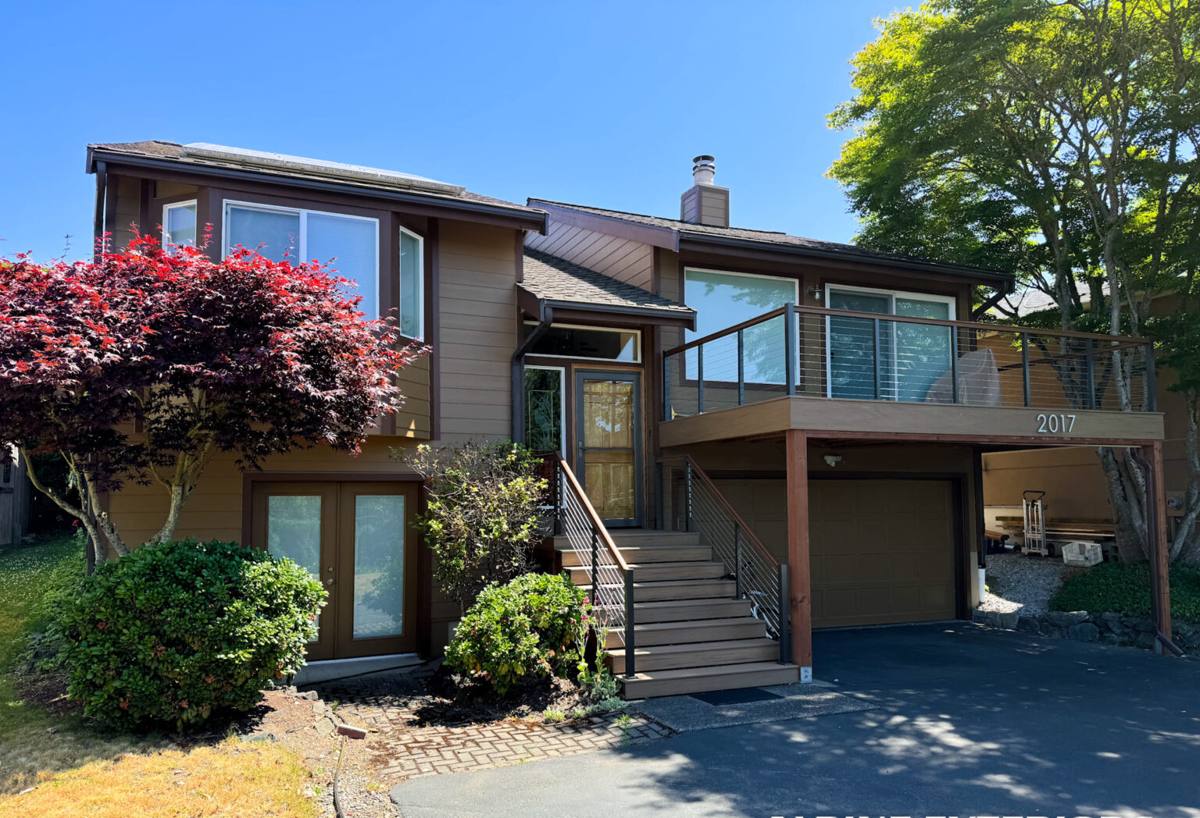
Skycrest is one of Clearwater's established residential pockets — a mix of mid-century block homes and newer builds, most within a few miles of Old Tampa Bay and the Gulf. That proximity to water is exactly why siding here wears differently than siding forty miles inland. Homes in this part of Pinellas County take on a combination of stresses that few other regions in the country deal with all at once: sustained hurricane-force wind loads, some of the most intense year-round UV exposure in the continental U.S., wind-driven rain that gets forced sideways into wall assemblies, and a steady drift of salt air that never really stops working on exposed materials.
None of that is unique to Skycrest specifically — it's a Clearwater-wide reality — but it matters for how we approach a siding replacement on any given Skycrest home. The right product and the right installation details are not optional upgrades here; they're the difference between siding that holds up for decades and siding that starts failing within a few storm seasons.
Why Old Siding Fails Faster in This Climate
When we tear off failing siding on Skycrest homes, we see a handful of recurring problems, and they almost always trace back to the same root causes:
- UV breakdown: Constant, high-angle Florida sun fades paint and degrades many siding substrates from the outside in, especially on west- and south-facing walls.
- Moisture intrusion behind the cladding: Wind-driven rain during summer storms and tropical systems doesn't fall straight down — it gets pushed horizontally into laps, seams, and penetrations that weren't detailed for that kind of pressure.
- Salt air corrosion: Fasteners, flashing, and trim hardware corrode faster this close to the coast, which can loosen siding attachment points long before the siding face itself looks obviously bad.
- Wind load fatigue: Every named storm and every seasonal squall flexes siding panels slightly. Over years, that repeated flexing works loose fasteners, opens hairline gaps, and stresses caulked joints.
Individually, none of these seem dramatic. Together, over the 15-20 years most homeowners go between siding jobs, they add up to buckling, soft spots, cracked panels, and moisture damage to the wall sheathing underneath — the expensive kind of problem that shows up only after it's already spread.
Why We Install Only James Hardie Fiber Cement
We've made a deliberate decision as a company: we install James Hardie fiber cement siding, and we don't install vinyl, LP SmartSide, Cemplank, Allura, or primed wood products like spruce or cedar. That's not a marketing position — it's a standard we hold because of what we've seen these products do (and not do) in exactly the climate Skycrest sits in.
Vinyl softens, warps, and can pull loose under sustained high wind, and it offers essentially no fire resistance. Engineered wood products like LP SmartSide use wood strand cores that are vulnerable if moisture ever gets past the coating, which is a real risk in a wind-driven-rain climate. Primed wood siding needs a maintenance schedule most homeowners can't realistically keep up with in Florida heat and humidity. Other fiber cement brands like Cemplank and Allura are legitimate products, but we've standardized on one manufacturer, one installation system, and one warranty structure so our crews are true specialists rather than generalists — and Hardie's engineering, factory finish, and support in this market are what we've found most consistently reliable.
James Hardie fiber cement is non-combustible, doesn't rot, resists pests, and holds paint and color far longer than wood or vinyl because it's dimensionally stable — it doesn't expand and contract with heat and humidity the way those materials do. Hardie also engineers specific product lines for different climates, and its HZ5 line is formulated for exactly the kind of high-humidity, storm-exposed, coastal-adjacent conditions found throughout the Tampa Bay area, including Skycrest.
What HZ5 and ColorPlus Actually Mean for a Skycrest Home
Two Hardie-specific details matter more here than in most parts of the country:
- HZ5 engineered formulation: Hardie's HZ product system is climate-zoned. HZ5 boards are engineered for high-moisture, high-humidity coastal regions like ours, which affects the board's moisture and swell resistance compared to boards built for drier climates.
- ColorPlus factory finish: Rather than field-painted siding that starts fading and chalking within a few years of Florida sun exposure, ColorPlus is a baked-on, multi-coat finish applied under controlled factory conditions. It holds color and resists fading substantially longer than a typical field-applied paint job, and it comes with its own finish warranty separate from the substrate warranty.
What a Correct Siding Replacement Involves
Siding replacement is not just removing old panels and nailing up new ones. In a wind- and moisture-exposed area like Skycrest, the work that happens before the new siding goes up matters as much as the siding itself.
1. Tear-Off and Substrate Inspection
Every job starts with full removal of the old siding so the wall sheathing underneath can actually be inspected — not guessed at. This is where hidden moisture damage from years of small leaks gets found. Any soft, rotted, or delaminated sheathing needs to be replaced before anything new goes on; siding installed over compromised sheathing fails regardless of how good the siding itself is.
2. Weather-Resistive Barrier and Flashing
A correctly installed weather-resistive barrier (house wrap) goes over the sheathing, and flashing gets properly integrated at every window, door, and penetration. In a wind-driven-rain climate, flashing details around openings are one of the most common places water gets in — and one of the most commonly rushed steps by crews unfamiliar with the demands of coastal installation.
3. Fastening Pattern and Hardware
Hardie specifies fastener type, spacing, and embedment depth for a reason — it's engineered around real wind load data. Using the wrong fasteners, the wrong spacing, or corrosion-prone hardware in a salt-air environment is one of the fastest ways to undermine an otherwise good installation. Corrosion-resistant fasteners matter more here than almost anywhere else in the country.
4. Joint Treatment and Caulking
Butt joints, corners, and trim transitions need to be treated to Hardie's specification, not generalized "best practice." Improper joint treatment is one of the most common causes of premature paint failure and moisture intrusion on fiber cement siding installed by crews without brand-specific training.
5. Final Inspection
A finished job gets checked for consistent reveal lines, properly seated fasteners, sealed penetrations, and clean trim work — the visual sign that the structural details underneath were also done right.
Our Process for Skycrest Siding Replacement
- Free on-site assessment: We walk the home, evaluate the current siding and sheathing condition where accessible, and talk through what your specific exposure (wind direction, sun exposure, tree cover) means for the job.
- Written estimate and product selection: We go over Hardie board profiles, textures, and ColorPlus color options, and provide a clear, itemized estimate — no vague lump-sum guessing.
- Scheduling around weather: Florida's storm season affects sequencing. We plan tear-off and dry-in stages so your home isn't left exposed longer than necessary.
- Installation to manufacturer spec: Sheathing repair as needed, correct weather barrier and flashing, Hardie-specified fastening, proper joint treatment.
- Final walkthrough: We review the completed work with you directly before considering the job done.
Comparing Siding Options for a Coastal Clearwater Home
| Factor | Vinyl | Engineered Wood (e.g. LP SmartSide) | James Hardie Fiber Cement |
|---|---|---|---|
| Wind resistance | Can loosen or crack under sustained high wind | Adequate when installed correctly | Engineered and rated for high wind zones |
| Moisture behavior | Doesn't rot, but seams can trap water | Vulnerable if coating is breached | Non-combustible, doesn't rot; HZ5 formulated for humid coastal exposure |
| UV / color retention | Fades and chalks over time | Depends on field-applied or factory finish | ColorPlus factory finish resists fading |
| Salt air durability | Material itself stable; hardware can corrode | Coating breakdown accelerates in humidity | Fiber cement substrate unaffected by salt air |
| Maintenance burden | Low, but limited repair options | Moderate — coating upkeep matters | Low when installed and finished correctly |
Why It Matters That a Crew Already Works Skycrest
Siding installation quality is only partly about the product — it's just as much about whether the crew understands the conditions the home will face. A crew that regularly works in Skycrest and the surrounding Clearwater neighborhoods already knows the wind exposure patterns near the water, the flashing details that hold up against wind-driven rain, and the fastening and joint practices that hold up to salt air over the long run. That local repetition is what separates a siding job that looks good at handoff from one that still looks good in year twelve.
It also means faster, more realistic scheduling around Florida's storm season, and a crew that isn't learning coastal-specific installation lessons on your house for the first time.
What to Check Before You Hire Anyone for Siding Work
- Are they installing to the manufacturer's written specification, or their own general approach?
- Do they replace or repair damaged sheathing before installing new siding, or install over whatever is already there?
- Can they explain their flashing and weather-barrier details in plain language?
- Are they using fasteners and hardware rated for coastal, salt-air exposure?
- Do they carry proper licensing and insurance for Pinellas County work?
- Will they put the scope of work and product specifications in writing before starting?
Signs a Skycrest Home May Need Siding Replacement Now
Not every siding problem requires full replacement, but a few signs are strong indicators that repair alone won't hold: visible buckling or warping, soft spots when pressed, persistent staining or streaking that returns after cleaning, cracked or missing panels after storm season, paint that's failing across large sections rather than isolated spots, and any sign of moisture or soft sheathing when panels are pulled back for inspection. If you're seeing more than one of these, it's worth having someone look at the whole wall assembly rather than patching individual boards.
Get a Straight Answer on Your Siding
If your Skycrest home's siding is showing its age, or you just want an honest read on whether repair or replacement makes more sense, we're glad to take a look. We'll walk the property, tell you what we actually see, and put together a clear estimate — no pressure, no upsell games. Use the form below to request a free estimate and we'll get back to you.