 Clearwater Roofing
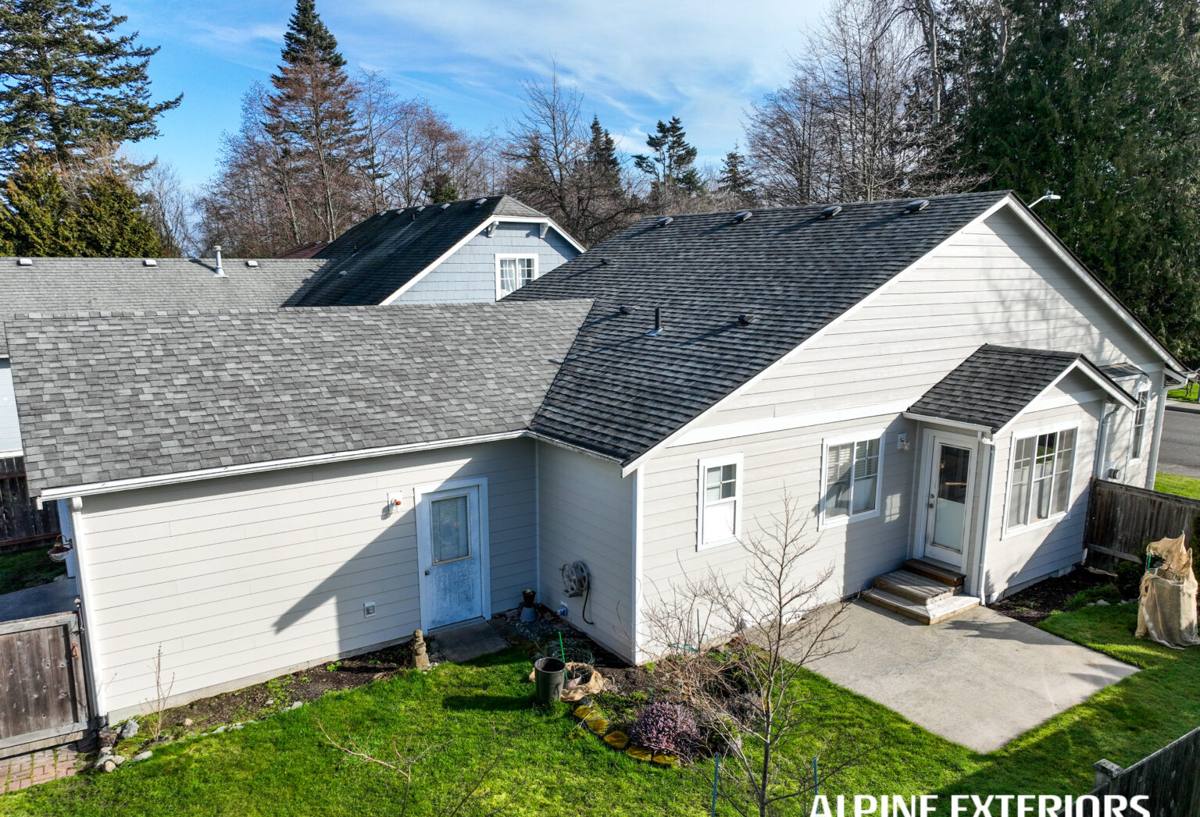
 Asphalt Shingle Roofing Built for Skycrest's Conditions
Skycrest sits inland enough from the Gulf to feel like it should be sheltered, but any homeowner who has lived through a Pinellas County summer knows better. The neighborhood's mix of older bungalows and mid-century ranch homes takes a steady beating from the same forces that hit the rest of Clearwater: intense UV exposure nearly every day of the year, sudden wind-driven rain that finds every weak seam in a roof, and salt-laden air that works its way into fasteners and flashing even a few miles from the water. Add the threat of hurricane-force wind gusts during storm season, and it becomes clear that a roof in Skycrest isn't just a cosmetic feature — it's the single most important barrier between your family and Florida weather.
Asphalt shingles remain one of the most practical, cost-effective roofing choices for this neighborhood when they're specified and installed correctly. The key phrase is "installed correctly." A shingle roof that looks fine on installation day can fail years early if the underlayment, fastening pattern, ventilation, or flashing details were rushed. We've built our process around the specific ways Clearwater's climate stresses a roof, not a generic national installation checklist.
Why Skycrest's Climate Is Tougher on Shingles Than People Expect
Homeowners moving to Clearwater from other parts of the country are often surprised at how hard the sun and humidity are on roofing materials here. A few specific factors matter for anyone choosing or maintaining an asphalt shingle roof in this area:
UV Exposure Nearly Year-Round
Florida's high sun angle and long daylight hours accelerate the breakdown of asphalt oils in shingles faster than in northern climates. Over time, this shows up as granule loss, brittleness, and shingles that curl or crack instead of flexing. Choosing a shingle line rated for high-UV climates, and making sure attic ventilation is correct, both slow this process down.
Wind-Driven Rain
Pinellas County storms rarely deliver rain straight down. Wind pushes water sideways and even slightly upward under shingle tabs, which is exactly why sealant strips, proper nailing patterns, and correctly lapped underlayment matter more here than in calmer climates. A roof that would hold up fine in a dry, still climate can leak in Clearwater if these details are skipped.
Hurricane-Force Wind Loads
Even homes that never take a direct hurricane hit still see tropical-storm-force gusts multiple times a year. Shingles rely on nailing pattern, adhesive activation, and starter strip installation to resist wind uplift — corners and eaves are the most vulnerable points on any Skycrest roof.
Salt Air and Corrosion
Skycrest isn't beachfront, but it's close enough to the Gulf and Tampa Bay that airborne salt reaches roofing metal — flashing, drip edge, nail heads, and vent stacks. Standard fasteners can corrode faster here than inland, which is why material selection for flashing and fasteners matters as much as the shingles themselves.
What a Correctly Installed Shingle Roof Includes
A shingle roof is a system, not a single product. Every layer has a job, and skipping or under-specifying any one of them is where premature leaks and wind failures usually start.
- Deck inspection and repair: Any soft, delaminated, or water-damaged decking gets replaced before a single shingle goes down — covering a bad deck just hides the problem.
- Synthetic or felt underlayment: A continuous, properly lapped water-resistant barrier that protects the home even if wind or debris compromises the shingle layer above it.
- Ice-and-water or self-adhered membrane at vulnerable points: Valleys, eaves, and penetrations get extra protection where water is most likely to be pushed by wind.
- Starter strip at eaves and rakes: Often skipped or improvised on cheaper jobs, but critical for wind resistance at roof edges.
- Correct nailing pattern: Manufacturer-specified nail count and placement, driven flush (not overdriven or underdriven), directly affects wind rating.
- Properly flashed penetrations and valleys: Corrosion-resistant flashing around vents, chimneys, and valleys, sealed and lapped to shed water correctly.
- Balanced attic ventilation: Intake and exhaust ventilation that lets heat escape, protecting both the shingles from below and the decking from moisture buildup.
- Manufacturer-matched components: Using the shingle brand's own starter, hip, and ridge products keeps the warranty intact and ensures consistent performance.
Choosing the Right Shingle for a Skycrest Home
Not every asphalt shingle performs the same way under Florida sun and wind. The right choice depends on your home's roof pitch, HOA or neighborhood aesthetic expectations, and how much you want to spend upfront versus over the life of the roof.
| Shingle Type | Typical Wind Rating | Best Fit For | Trade-Offs |
|---|---|---|---|
| 3-Tab Shingles | Lower end of rated range | Budget-conscious re-roofs on simpler roof lines | Shorter lifespan in high-UV climates; less wind resistance than architectural styles |
| Architectural (Laminated) Shingles | Mid-to-high rated range | Most Skycrest homes; balance of cost, durability, and curb appeal | Higher upfront cost than 3-tab, but longer real-world lifespan here |
| Impact-Rated / High-Wind Shingles | Highest rated range | Homes wanting maximum wind performance, or where insurance credits apply | Highest material cost; benefit depends on your insurer's specific credit program |
We'll walk through these options honestly based on your roof's condition and your priorities — we're not going to steer you toward the most expensive option if a mid-range architectural shingle is the right fit for your home and budget.
Color and Heat Considerations
Shingle color affects attic temperature more than most homeowners expect. Lighter colors reflect more solar heat, which can modestly ease the load on your air conditioning during Clearwater's long cooling season. It's not the only factor in choosing a color — HOA guidelines and personal preference matter too — but it's worth discussing if energy costs are a concern.
Our Process for Skycrest Roof Installations
Every job follows the same sequence, whether it's a full tear-off or a smaller section replacement. We don't skip steps to save time, and we walk you through what we find at each stage.
- On-site inspection and estimate: We check the deck, flashing, ventilation, and current shingle condition, and give you a straightforward written estimate — no pressure, no inflated scare tactics.
- Material selection: We go over shingle options, wind ratings, and warranty terms so you understand what you're buying and why.
- Permitting: Roofing work in Clearwater and unincorporated Pinellas County requires permits and inspections — we handle that paperwork so you don't have to.
- Tear-off and deck inspection: Old material comes off, and we inspect the exposed decking for rot or damage before anything new goes down.
- Underlayment and flashing installation: The water-resistant layer and all flashing details go in per code and manufacturer spec, with extra attention to valleys and penetrations.
- Shingle installation: Shingles are installed with correct nailing patterns and starter/ridge components matched to the manufacturer's system.
- Cleanup and final walkthrough: We clear debris, run a magnetic sweep for stray nails, and walk the finished roof with you before calling the job done.
- Final inspection: Where required, we coordinate the local building inspection to close out the permit.
Timeline Expectations
Most single-family shingle re-roofs in the Skycrest area take one to three days of active work once material is on site, weather permitting. Florida's afternoon thunderstorm pattern during summer months can push timelines out — we'll be upfront about weather risk when we schedule your job rather than promising a date we can't control.
Repair, Replacement, or Full Re-Roof? How to Tell
Not every roof problem means a full replacement. Part of an honest evaluation is telling you when a repair is the right call versus when patching would just be delaying an inevitable, more expensive failure.
- Isolated leak with otherwise sound shingles: Often a flashing or penetration repair, not a full re-roof.
- Scattered missing or lifted shingles after a storm: Usually repairable if the underlayment and deck below are still in good shape.
- Widespread granule loss, curling, or brittleness: Signals the shingles are past their functional life, even if there's no active leak yet.
- Soft spots or sagging when walked on: Points to deck damage that needs to be addressed regardless of shingle condition.
- Roof nearing or past the shingle's rated lifespan: Even without visible problems, aging shingles in this climate lose wind resistance over time.
Maintaining Your Shingle Roof in Clearwater's Climate
A correctly installed roof still benefits from basic upkeep, especially in a climate this demanding. A few habits go a long way toward getting the full expected lifespan out of your investment.
After Storms
A quick visual check from the ground after any significant wind event can catch lifted or missing shingles before they turn into a leak. If you see debris, granules collecting in gutters, or visible damage, it's worth having it looked at promptly rather than waiting.
Gutter and Debris Management
Clogged gutters can back water up under the shingle edge, and overhanging tree debris holds moisture against the roof surface. Keeping gutters clear and trimming back branches near the roofline reduces avoidable wear.
Attic Ventilation Checks
Poor attic ventilation traps heat and moisture, which shortens shingle life from underneath — a problem you won't see just by looking at the roof surface from outside. If your attic feels unusually hot or you notice moisture signs, it's worth having ventilation evaluated.
Periodic Professional Inspection
Even a well-installed roof benefits from a periodic look by someone who knows what storm and UV damage actually looks like versus normal wear. Catching a small issue early is almost always cheaper than dealing with the water damage that follows a missed one.
Why a Crew That Knows Skycrest Matters
Roofing crews that work broadly across Pinellas County and beyond develop a feel for how local homes are built and how they age — roof pitches common to Skycrest's housing stock, the way older homes' decking and ventilation were originally designed, and which failure points show up again and again in this specific pocket of Clearwater. That familiarity shows up in faster, more accurate diagnosis and fewer surprises mid-project. It also means we're a known, findable local business if you ever need warranty support or have a question years down the road — not a crew that worked the area once during storm season and moved on.
We're also familiar with the local permitting process for Clearwater and Pinellas County, which keeps your project moving instead of stalling on paperwork we haven't dealt with before.
Get a Free, No-Pressure Estimate
Whether your Skycrest home needs a full re-roof, a repair after storm damage, or just an honest evaluation of what shape your current shingles are in, we're happy to take a look. Fill out the form below to schedule a free estimate — no pressure, no scare tactics, just a straight assessment of what your roof actually needs.