 Clearwater Roofing
 Skycrest Homes Take a Beating From Clearwater's Climate
Skycrest sits inland enough from the Gulf that most homeowners don't think of themselves as "coastal," but the siding on these houses doesn't get that memo. Pinellas County as a whole sees salt-laden air move through on sea breezes almost daily, intense subtropical UV exposure nearly year-round, and the kind of wind-driven rain that comes with a Florida thunderstorm season and, some years, a hurricane threat. None of that stops at the coastline. It reaches every neighborhood in Clearwater, Skycrest included.
Siding in this environment isn't just a cosmetic surface. It's the first line of defense against moisture intrusion, wind uplift, and slow material breakdown from sun exposure. When siding is the wrong product, or the right product installed the wrong way, the failures usually aren't dramatic. They're slow: a warped panel here, a chalky faded section there, soft trim boards discovered during a routine repaint. By the time it's obvious, the sheathing behind it may already be compromised.
What Skycrest's Housing Stock Means for a Siding Job
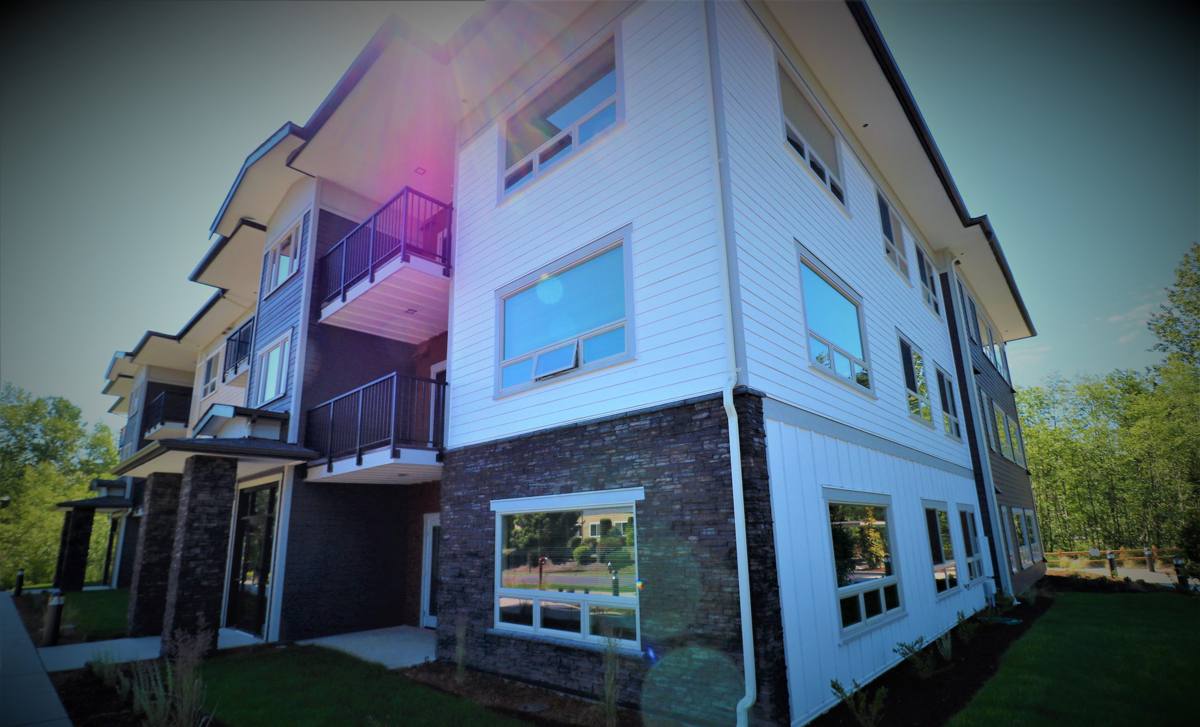
Like much of Clearwater, Skycrest has a mix of home ages and construction types — some concrete block with wood-framed additions or gables, some full wood-frame construction. That mix matters for siding because the substrate underneath, the flashing details around windows and rooflines, and the moisture barrier all have to be handled correctly for the specific wall assembly in front of us. A one-size-fits-all install approach is exactly how call-backs happen in a neighborhood with this much variation in home age and construction.
Before we quote a Skycrest job, we look at what's actually on the wall now — old siding type, visible trim rot, soffit and fascia condition, and any signs of past water intrusion around windows or corners. That inspection drives the scope, not a generic estimate.
Common Issues We Find on Older Clearwater-Area Homes
- Trim and fascia boards softened by years of wind-driven rain finding their way behind old siding
- Faded, chalky, or sun-bleached siding on south- and west-facing walls that take the most direct UV
- Gaps or failed caulking at butt joints and corners that let moisture behind the cladding
- Under-ventilated wall cavities that trap humidity, common in homes with multiple layers of old siding never removed
Why We Install James Hardie and Nothing Else
This company installs James Hardie fiber cement siding exclusively. We don't install vinyl, LP SmartSide, Cemplank, Allura, or primed wood siding, and we're upfront about why: after years of exterior work in this climate, Hardie is the product we trust to perform here without surprises.
Fiber cement is non-combustible, which matters in a state where lightning-sparked fires are a real seasonal risk. It doesn't rely on a plastic substrate that can soften and warp in sustained heat the way vinyl can on a west-facing Florida wall. And it's engineered as a system — panel, trim, fasteners, and finish designed to work together — rather than a collection of parts from different manufacturers assembled on site.
James Hardie also builds region-specific product lines through its HZ5 engineering, formulated for climates with high humidity and moisture exposure like ours, as opposed to a generic siding formulated for a drier, colder market. That's not a marketing distinction — it affects how the product resists moisture-related swelling and how it holds up to Gulf Coast humidity cycling year after year.
ColorPlus Finish vs. Job-Site Painted Siding
Every Hardie board we install can be ordered with a factory-applied ColorPlus finish, baked on under controlled conditions rather than brushed or sprayed on site. In a market with this much UV exposure, that difference shows up over time as more consistent, longer-lasting color retention compared to field-applied paint, and it comes backed by its own finish warranty separate from the substrate warranty.
What a Correct Fiber Cement Install Actually Involves
Fiber cement is unforgiving of shortcuts in a way that's easy to overlook until years later. The material itself is excellent; almost every fiber cement failure we're called to inspect traces back to installation, not the product. Getting it right in a Clearwater wind and rain environment means following manufacturer spec on every one of these points, not just the ones that are easy.
| Install Detail | Correct Practice | What Goes Wrong When Skipped |
|---|---|---|
| Clearance from grade, roofline, and decks | Manufacturer-specified gaps maintained on all sides | Wicking moisture into the bottom edge of boards, hidden rot |
| Fastener pattern and type | Corrosion-resistant fasteners, correct spacing and embedment | Panel movement, popped fasteners, wind uplift risk in storms |
| Joint and seam treatment | Properly flashed or sealed per Hardie spec, not just caulked over | Water intrusion behind the cladding at every joint |
| House wrap / moisture barrier | Continuous, properly lapped barrier installed before siding | Trapped moisture against sheathing, mold and rot risk |
| Cut edges | Sealed per manufacturer instructions | Raw edges absorb moisture faster, accelerating deterioration |
None of this is exotic. It's discipline — following the installation manual on every board, every time, even on the parts of the wall nobody will scrutinize after the job is done.
Our Process on a Skycrest Job
1. Walk-Through and Assessment
We inspect the existing siding, trim, soffits, and any visible trouble spots, and talk through what we're seeing with the homeowner before anything is quoted.
2. Tear-Off and Substrate Check
Old siding comes off and we inspect the sheathing underneath. This is where hidden rot or past water damage from wind-driven rain typically shows up, and it gets addressed before anything new goes on the wall.
3. Moisture Barrier and Flashing
A continuous weather-resistive barrier goes on first, with flashing detailed around every window, door, and roofline penetration — the details that determine whether wind-driven rain stays outside the wall assembly.
4. Hardie Panel Installation
Boards are installed to manufacturer clearance, fastening, and joint specifications, not shortcuts adapted for speed.
5. Trim, Caulking, and Final Inspection
Trim work is completed, joints are sealed per spec, and we walk the finished job with the homeowner before calling it done.
Why a Crew That Already Works This Neighborhood Matters
Skycrest isn't a neighborhood we're learning on someone's dime. A crew that already works this part of Clearwater knows the general permitting process through the City of Clearwater and Pinellas County, understands the wind load requirements that apply to exterior work in this region, and has already worked through the practical realities of a neighborhood with mixed home ages and construction types. That familiarity translates into fewer surprises mid-project and a scope of work that's accurate from the first estimate.
It also means accountability. A contractor working across the same streets year after year has a reputation to protect in that specific area, not just a service radius on a website.
Maintenance and Longevity in This Climate
Properly installed James Hardie siding is low-maintenance, but "low-maintenance" doesn't mean "zero-attention" in a coastal-influenced climate. A little seasonal awareness goes a long way toward getting the full life out of the product.
- Rinse salt air residue and dust off the siding periodically, especially on walls facing prevailing winds
- Inspect caulked joints annually for cracking or separation, particularly after hurricane season
- Keep irrigation heads and sprinklers from spraying directly on siding long-term, which can accelerate wear at the base
- Trim vegetation back from walls to maintain airflow and reduce trapped moisture
- Have a professional check flashing and trim after any major storm event
What Affects the Cost of a Skycrest Siding Job
| Factor | Why It Matters |
|---|---|
| Home size and wall complexity | More corners, gables, and dormers mean more cutting, flashing, and labor time |
| Condition of existing sheathing | Hidden rot discovered during tear-off adds repair scope before new siding goes on |
| Product line and profile chosen | Lap, shingle, and panel styles carry different material and labor costs |
| ColorPlus vs. field-applied finish | Factory-finished boards cost more up front but reduce repainting over the product's life |
| Trim and accessory scope | Full trim replacement adds cost but ensures a consistent, correctly detailed system |
We don't quote from a distance. An accurate number comes from seeing the actual walls, which is exactly what a free estimate visit is for.
Ready to Talk About Your Skycrest Home?
If your siding is showing its age, or you're planning ahead of the next storm season, we're happy to take a look and walk you through what we see, no pressure and no obligation. Fill out the form below to schedule a free estimate for your Skycrest home.