 Clearwater Roofing
 Siding That Has to Work in Skycrest's Climate, Not Just Look Good
Skycrest is one of Clearwater's older, established residential neighborhoods, which means a lot of the homes here were built decades before today's siding materials and code requirements existed. Many are still wearing original wood siding, aging vinyl, or a previous fiber cement job that was never detailed correctly for this climate. When we're called out to a Skycrest home for a siding estimate, we're not just looking at color and style — we're looking at how the exterior has held up against Pinellas County's specific punishment: sustained UV exposure nearly every day of the year, salt-laden air pulled in off the Gulf and Tampa Bay, wind-driven rain that gets forced sideways into every seam and joint, and the real possibility of hurricane-force wind loads during storm season.
That combination is harder on a home's exterior than most inland climates ever see. Paint fades and chalks faster. Untreated wood trim rots from the inside out. Caulk joints that would last ten years in a drier climate fail in three or four. Siding that isn't rated for coastal wind exposure can lift, crack, or pull away from fasteners in a strong storm. James Hardie fiber cement siding was engineered specifically to handle this kind of environment, which is the entire reason we standardized on it and don't install anything else.
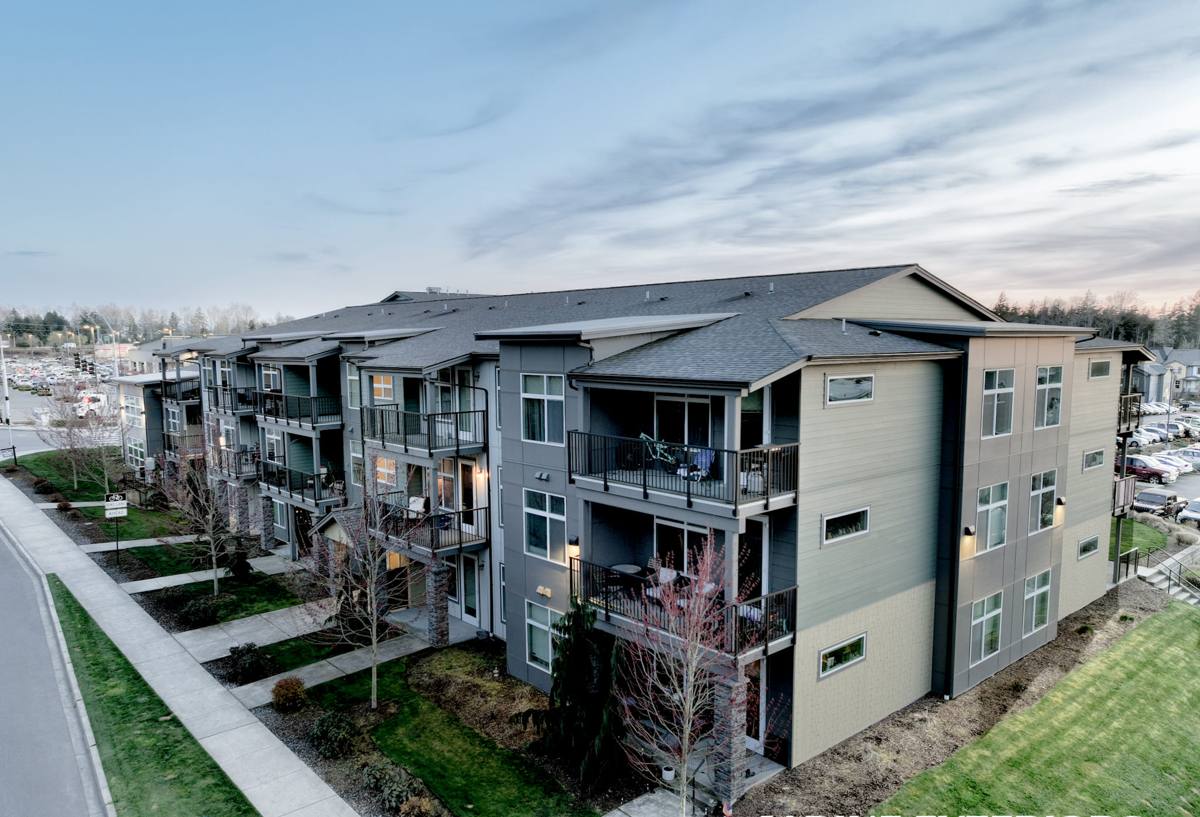
Why We Install Only James Hardie Fiber Cement
We get asked fairly often why we don't offer vinyl, LP SmartSide, or other fiber cement brands as cheaper alternatives. The honest answer is that we've made a professional decision to stand behind one product system because we believe it's the right long-term choice for Florida homes, and we don't want to sell something we wouldn't put on our own house.
- Non-combustible material — fiber cement doesn't feed a fire the way wood-based or foam-backed products can.
- Engineered for Gulf Coast humidity and moisture cycling — Hardie's HZ5 product line is formulated specifically for high-humidity, high-moisture climates like ours, rather than a one-size-fits-all formula.
- ColorPlus factory finish — the color is baked on in a controlled factory process rather than field-painted, which matters enormously in a UV-heavy climate where field paint fades unevenly.
- Long track record — fiber cement siding has decades of real-world performance data in coastal and hurricane-prone regions, not just lab testing.
- Strong transferable warranty — when installed to Hardie's specifications, the manufacturer warranty is one of the strongest in the category and can transfer to a new owner if the home is sold.
None of this means other products are junk. Vinyl is inexpensive and easy to install. LP SmartSide is a reasonable engineered wood option in the right climate. But in a coastal, high-UV, high-wind environment like Clearwater, we've seen enough exterior failures over the years that we'd rather turn down a job than install a product we don't fully trust here.
What Skycrest Homes Specifically Need
Wind Rating and Fastening
Pinellas County's wind-load requirements mean siding has to be fastened according to a specific nailing and spacing schedule, not just "however the crew usually does it." Skipped fastener rows or the wrong nail gauge are the most common shortcuts we find when we tear off a previous installation, and they're exactly what causes panels to lift in a tropical storm or hurricane.
Moisture Management Behind the Siding
Wind-driven rain in this area doesn't just hit the face of a wall — it gets pushed up and under laps, around window and door openings, and into any gap in the weather-resistive barrier. Correct installation depends on a properly lapped water-resistive barrier, correctly flashed openings, and the right clearance between siding and grade, roofing, and decking so water has somewhere to go instead of sitting against the material.
Salt Air and Coastal Corrosion
Homes closer to the water — and Skycrest isn't far from Clearwater Harbor and the Intracoastal — deal with airborne salt that accelerates corrosion on fasteners, flashing, and trim. We use fastener and flashing materials rated for coastal exposure, because a rusted fastener head bleeding through ColorPlus finish is a cosmetic and structural problem that shows up early if the wrong hardware was used.
UV Exposure Over Time
Florida sun is relentless nearly 365 days a year. Field-applied paint on wood or older fiber cement chalks and fades noticeably within a few years. ColorPlus finish is formulated to resist UV fade far longer, which is a meaningful difference in a climate where the sun is doing damage every single day, not just in summer.
What a Correct Installation Actually Involves
- Tear-off and substrate inspection — removing old siding and checking sheathing for rot, moisture damage, or prior water intrusion before anything new goes up.
- Repair of damaged sheathing or framing — replacing anything compromised rather than covering it up.
- Weather-resistive barrier installation — correctly lapped and sealed to shed water downward and outward.
- Flashing at all penetrations — windows, doors, hose bibs, vents, and anywhere else water can find a way in.
- Hardie panel or plank installation — following the manufacturer's fastening schedule for our specific wind zone, with correct gapping and clearances.
- Joint and trim detailing — proper caulking at the right joints only, since over-caulking Hardie can trap moisture instead of releasing it.
- Final inspection — checking fastener patterns, clearances, and finish before we consider the job done.
Comparing Siding Options for a Skycrest Home
| Factor | James Hardie Fiber Cement | Vinyl | Engineered Wood (e.g. LP SmartSide) |
|---|---|---|---|
| Coastal wind performance | Engineered and rated for high-wind coastal zones | Can crack or blow off in severe wind if not properly rated | Depends on installation; moisture-sensitive edges are a weak point |
| UV/fade resistance | ColorPlus factory finish resists fading | Can fade and become brittle over time in intense sun | Field paint fades faster than factory finish |
| Moisture/rot risk | Non-combustible, doesn't rot | Doesn't rot but can warp; trapped moisture behind panels is a risk | Vulnerable at cut edges and joints if not sealed correctly |
| Combustibility | Non-combustible | Combustible (petroleum-based) | Combustible (wood-based) |
| Typical warranty | Strong, transferable manufacturer warranty | Varies widely by manufacturer and grade | Varies; often shorter than Hardie's |
Our Process for Skycrest Projects
We walk every home in person before quoting anything, because siding scope depends heavily on what's underneath the current material and what condition the sheathing is in. That inspection covers the whole exterior envelope — not just the siding, but the trim, flashing, and any areas where we can already see staining or soft spots that suggest a moisture problem.
From there we put together a written scope covering material selection (Hardie plank, panel, or shingle-style, depending on the home's architecture), color, and any substrate repair we expect to need. We schedule tear-off and installation in stages that keep the home weather-protected at every point in the process, since an open wall during a sudden Florida downpour is not a risk we're willing to take with a client's home.
What to Expect During the Job
- A written scope of work before any tear-off begins
- Daily protection of open wall sections against unexpected rain
- Photos or notes on any substrate damage found once old siding is removed
- Fastening and flashing done to manufacturer and local wind-code specification
- A final walkthrough before we consider the project complete
Why Local Experience Matters for This Job
Siding installation isn't the same job in every climate. A crew that mostly works drier, inland regions can install Hardie technically "by the book" and still get water management wrong for a coastal Florida home, because the book assumes less wind-driven rain and less sustained humidity than Clearwater actually sees. A crew that already works in Pinellas County knows how much clearance to leave at grade given our rainfall patterns, how aggressively salt air corrodes the wrong fastener choice, and where the previous generation of Skycrest homes tends to have hidden moisture problems behind the siding.
That local pattern recognition is the difference between a siding job that looks right on installation day and one that's still performing correctly ten years later after several hurricane seasons and a decade of Florida sun.
Maintenance After Installation
One of the practical advantages of Hardie with ColorPlus finish is how little upkeep it needs compared to painted wood or older fiber cement. It doesn't need repainting on the same schedule wood does, and it isn't prone to the warping or cracking that can affect other materials in this climate. Occasional rinsing to remove salt residue and pollen buildup, along with a yearly visual check of caulk joints and trim, is generally enough to keep it performing as intended.
If you're weighing your options for a siding project in Skycrest, we're happy to walk the property, look at what's there now, and give you a straight assessment of what it actually needs — no pressure, no inflated scope. Reach out for a free estimate using the form below.