 Clearwater Roofing
 Storm Damage Roof Repair Built for Palm Harbor Homes
Palm Harbor sits close enough to open water that every roof in the area takes on the same combination of stresses: hurricane-force wind gusts during tropical systems, near-constant UV exposure, wind-driven rain that finds its way into the smallest gaps, and salt-laden air that speeds up corrosion on fasteners and flashing. When a storm rolls through Pinellas County, the damage isn't always obvious from the ground. A roof can look intact and still be compromised underneath the shingles or tiles, which is exactly why storm damage repair here needs to be thorough, not just cosmetic.
We work storm damage calls throughout the Clearwater area, including Palm Harbor, and we approach every inspection the same way: assume the storm moved something, and go find it before it turns into a bigger problem.
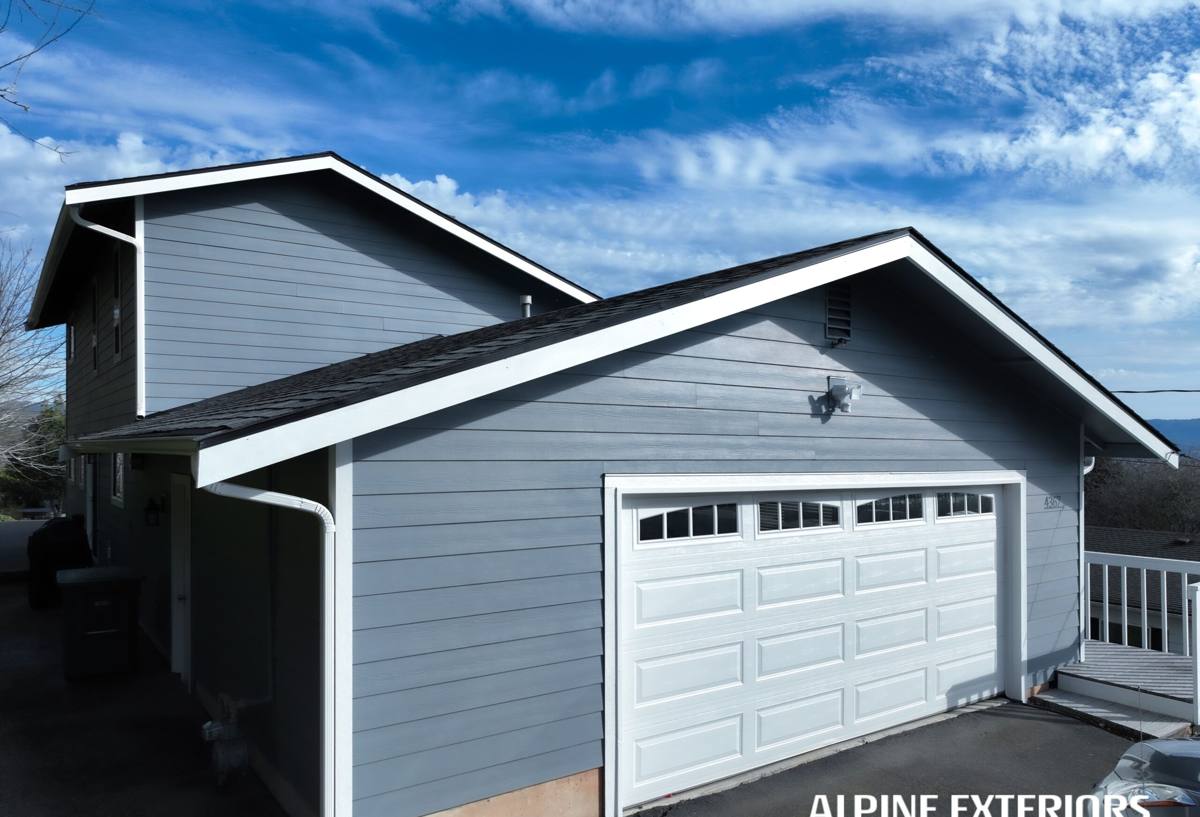
What Storm Damage Actually Looks Like in This Area
Homeowners often expect storm damage to be dramatic — a missing section of shingles, a visible hole. Sometimes it is. More often, especially after the kind of straight-line winds and squalls that pass through Palm Harbor during Florida's storm season, the damage is subtler and easy to miss without a trained eye on the roof.
Common Damage Patterns After Wind and Rain Events
- Lifted or creased shingle tabs where wind got underneath the edge, breaking the seal even if the shingle didn't blow off
- Cracked or slipped tiles from wind uplift or debris impact, common on tile roofs throughout the area
- Compromised flashing around chimneys, vent stacks, and roof-to-wall transitions, where wind-driven rain pushes water sideways instead of down
- Granule loss on asphalt shingles from wind abrasion and heavy rain, which accelerates UV breakdown of the shingle underneath
- Soffit and fascia damage where wind gets up under the roofline
- Punctures or bruising from wind-blown debris — branches, palm fronds, loose yard items
- Saturated or compromised underlayment where a small breach let water sit for days before anyone noticed a stain inside
The tricky part is that a roof can shed water fine for weeks after a storm and still fail during the next one, because the storm weakened a seal or cracked a tile without causing an active leak yet. That's the gap a real inspection is meant to close.
Why Salt Air and UV Make This Worse Over Time
Being close to the Gulf means Palm Harbor roofs deal with a slow, steady corrosive load in addition to storm events. Salt air accelerates rust on exposed fasteners, nail heads, and metal flashing. Combined with Florida's intense, nearly year-round UV exposure, roofing materials age faster here than they would in a drier, less coastal climate. A roof that's already a few years into that wear pattern is more vulnerable to storm damage than a newer one, because the materials have less flexibility and the seals have less life left in them. That's part of why we evaluate not just what a storm broke, but what condition the surrounding roof was already in — it changes how we recommend repairing it.
What a Correct Storm Damage Repair Involves
A proper storm repair isn't just patching the spot that's obviously damaged. It starts with tracing water intrusion back to its actual entry point, which is frequently several feet from where the interior stain or drip shows up, because water travels along the underlayment and framing before it drips somewhere visible.
Our Repair Process
- Roof and interior inspection. We check the roof surface, flashing points, and penetrations, and we look at attic and ceiling areas for signs of moisture that haven't shown up as a visible leak yet.
- Document the damage. Clear notes and photos of what the storm affected, useful both for our repair plan and for any insurance claim you may file.
- Identify the real entry point. Lifted shingles, cracked tiles, or damaged flashing get traced to confirm where water is actually getting in, not just where it's showing up inside.
- Repair with matching, storm-rated materials. Replacement shingles, tiles, or flashing are installed to match your existing roof as closely as possible and fastened to hold up against the next event, not just patched to get by.
- Check surrounding areas. Adjacent sections that took wind stress but aren't actively leaking yet get evaluated too, so we're not back out for the same storm's damage twice.
- Verify the fix. We confirm the repair area sheds water correctly before we consider the job done.
Repair vs. Full Replacement: How We Help You Decide
Not every storm-damaged roof needs to be replaced, and not every roof can be responsibly patched. The right call depends on how much of the roof is affected, how old the existing roofing is, and whether the damage is isolated or spread across multiple sections.
| Factor | Leans Toward Repair | Leans Toward Replacement |
|---|---|---|
| Extent of damage | Isolated to one section or a handful of shingles/tiles | Scattered across multiple sections or slopes |
| Roof age | Roof is relatively young with plenty of service life left | Roof is near or past its expected lifespan |
| Underlayment condition | Underlayment is intact beneath the damaged area | Underlayment shows widespread wear or saturation |
| Prior storm history | First significant damage the roof has taken | Repeated storm repairs in recent years |
| Material availability | Matching shingles or tiles are readily available | Discontinued material makes a seamless match difficult |
We'll walk you through where your roof falls on that spectrum and give you a straight answer, including when repair is genuinely the smarter choice — we're not going to push a full replacement on a roof that doesn't need one.
Insurance Claims: What Homeowners Should Know
Storm damage repairs are often tied to a homeowner's insurance claim, and having clear documentation matters. We provide photos and a written scope of the damage we find, which you can submit alongside your claim. A few things worth knowing going in:
- Document damage as soon as it's safe to do so after a storm — delays can complicate a claim
- Get a professional roof inspection even if you don't see obvious damage from the ground
- Keep records of any temporary repairs (like tarping) done to prevent further damage
- We can work directly with you on documentation, but we don't represent your insurance company — our job is an honest assessment of your roof
Why a Locally Familiar Crew Matters After a Storm
After a widespread storm event, demand for roofing repair spikes fast, and homeowners in Palm Harbor sometimes end up fielding calls from out-of-town crews chasing storm work. There are real, practical reasons to hire a crew that already works this part of Pinellas County regularly:
- Familiarity with local roofing styles. Tile, shingle, and flat-roof sections common in this area each fail differently in wind and rain, and knowing what's typical here speeds up an accurate diagnosis.
- Accountability after the job. A crew based in the Clearwater area is still here next month if something needs a follow-up look — not back out of state once the check clears.
- Faster response for urgent leaks. Being local means less time between your call and someone getting eyes on the roof, which matters when active water intrusion is involved.
- Knowledge of local permitting and code requirements. Roofing repairs in Pinellas County need to meet current wind-uplift and building code standards, and a local crew stays current on those requirements.
We'd rather earn repeat trust in this community than chase one-time storm jobs and move on.
What to Do Right After a Storm
Homeowner Checklist
- From the ground, look for missing, lifted, or displaced shingles or tiles — don't get on the roof yourself
- Check the attic (if accessible) for new water stains, damp insulation, or daylight coming through the roof deck
- Look at ceilings and upper walls inside for new stains, bubbling paint, or soft spots
- Check gutters and downspouts for accumulated granules, which can signal shingle wear from wind and rain
- Photograph any visible exterior damage before debris is cleared, if it's safe to do so
- Address any active leak with a temporary cover if you can safely do so, and call for an inspection promptly
- Avoid climbing on the roof after a storm — wet, damaged roofing is not stable footing
Preventing the Next Round of Storm Damage
Some storm damage is unavoidable, but a roof in good condition going into a storm handles wind and rain far better than one with existing wear. Routine maintenance — resealing exposed fasteners, checking flashing, addressing minor granule loss before it becomes bare spots — reduces how much damage the next storm can do. If your roof took damage in a previous storm and was only partially addressed, that unresolved weak point is often where the next leak starts.
Get a Free, No-Pressure Estimate
If a recent storm has you wondering whether your Palm Harbor roof needs attention — or you just want a second opinion on damage another company flagged — we're happy to take a look. Fill out the form below for a free estimate, with no pressure and no obligation.