 Clearwater Roofing
 Board & Batten Siding in Sunset Point: What Local Homes Actually Need
Sunset Point is one of Clearwater's older, established residential pockets — close enough to Old Tampa Bay that salt air, wind exposure, and humidity are simply part of daily life for the homes there. Board and batten siding has become a popular choice in this part of Pinellas County because of the way it looks: clean vertical lines, deep shadow reveals, and a coastal-cottage or modern-farmhouse character that works well on both older Florida bungalows and newer builds. But look is only half the story. On a home a few blocks from the water, board and batten siding also has to perform — and that's where a lot of installations, especially ones done with the wrong material or the wrong technique, start to fail early.
This page covers what board and batten siding needs to hold up in Sunset Point specifically, what a correct installation actually involves, and why we install it exclusively in James Hardie fiber cement rather than the vinyl, engineered wood, or primed spruce versions you'll see marketed elsewhere.
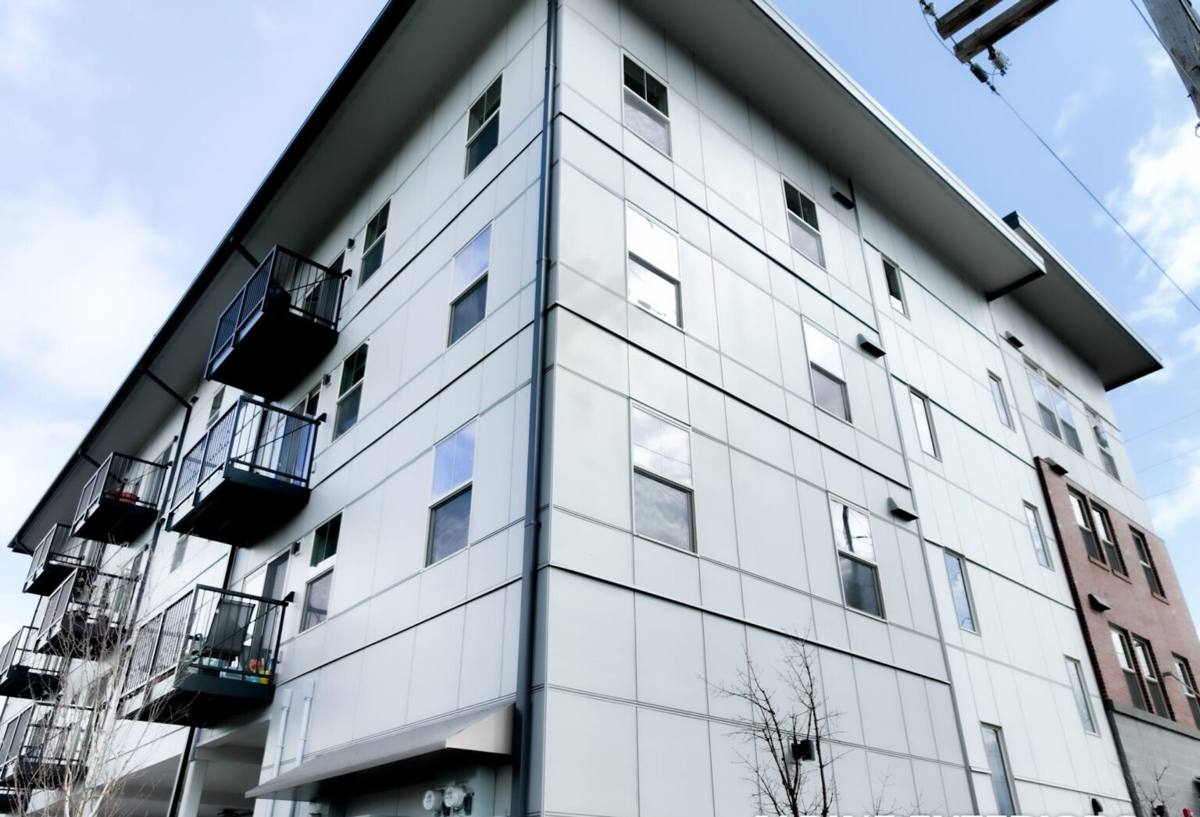
Why Board and Batten Fits Sunset Point's Architecture
Board and batten reads differently than standard horizontal lap siding. The vertical boards and raised battens create strong shadow lines that give a home dimension, and it pairs naturally with the mix of styles found around Clearwater — from low-slung ranch homes to newer coastal builds with metal roof accents and covered porches. Homeowners in Sunset Point often use it as an accent on gables, dormers, and porch fronts alongside lap siding on the main walls, or as a full-elevation treatment on the front of the house facing the street. Either way, it's a siding style that gets noticed, which means it also gets judged closely — uneven reveals, warped boards, or fastener bleed show up faster on vertical board and batten than they do on horizontal lap.
What Clearwater's Climate Does to Vertical Siding
Pinellas County sits in a wind-borne debris region under Florida's building code, and Clearwater's proximity to the Gulf and the bay means homes take on a specific combination of stress that inland siding never has to deal with:
- Hurricane-force wind: Vertical boards catch wind differently than horizontal lap. Fastening pattern and spacing matter more here — under-fastened board and batten is one of the more common failure points we see after a storm.
- Year-round UV: Florida's sun exposure is intense and near-constant, not seasonal. Paint and factory finishes that hold up fine in milder climates chalk, fade, and crack faster here, especially on vertical surfaces that catch direct afternoon sun.
- Wind-driven rain: Storms in this area rarely come straight down. Wind pushes rain sideways and up under laps and battens, which is why the water-management layer behind the siding matters as much as the siding itself.
- Salt air: Being close to the bay means airborne salt settles on exterior surfaces and accelerates corrosion of fasteners, trim, and any metal components if they're not rated for it.
None of these are unique to board and batten, but the vertical orientation and the extra seams (battens, boards, joints) give the elements more opportunities to find a weak point than a simple lap profile does.
How These Factors Stack Up
| Climate Factor | What It Stresses | What the Siding System Needs |
|---|---|---|
| Hurricane-force wind | Fastener holding power, panel edges, batten attachment | Correct fastener type/spacing rated for the local wind zone |
| Year-round UV | Paint/finish color stability, board surface integrity | Factory-baked finish engineered for sun exposure, not field-applied paint alone |
| Wind-driven rain | Seams, joints, penetrations, house wrap | Proper drainage plane, flashing, and sealed joints behind the boards |
| Salt air | Fasteners, trim, caulking, metal flashing | Corrosion-resistant fasteners and materials rated for coastal exposure |
Why We Only Install James Hardie Board and Batten
There's more than one way to build a board and batten look. Vinyl board and batten panels are inexpensive and fast to install, but they're a thin plastic product that expands and contracts with heat, can warp or crack under wind load, and offer no real fire resistance. Engineered wood and primed spruce board and batten look good on day one, but wood-based products are vulnerable to moisture intrusion at the exact seams and reveals that make board and batten distinctive — and in a humid, storm-exposed market like Clearwater, that's a real liability over time, not a hypothetical one.
We install James Hardie fiber cement board and batten exclusively, using either HardiePanel vertical siding with Hardie battens or the Artisan siding line, depending on the look a homeowner wants. Fiber cement is non-combustible, doesn't expand and contract the way vinyl does, and holds its shape and fastening under wind load far better than lightweight alternatives. Hardie's ColorPlus factory finish is baked on and warrantied against fading and peeling, which matters a great deal in a climate where UV exposure is constant rather than seasonal. Hardie also engineers its siding by climate zone (HZ5 for this region), which means the product itself — not just the paint — is built for humidity and moisture cycling.
This is why board and batten specifically is a product we're selective about. The seams and reveals that make it attractive are also the places where a lesser material fails first. We'd rather install one system correctly than offer three options and let the cheapest one fail on someone's house in five years.
What a Correct Board and Batten Installation Involves
Board and batten is less forgiving of shortcuts than lap siding, mainly because the vertical reveals make inconsistencies visible and because there are more fastening points and seams per square foot. A correct installation includes:
- A proper water-resistive barrier (house wrap) installed and lapped correctly before any siding goes on
- Furring strips or a rainscreen gap where called for, so water that gets behind the boards has somewhere to drain and dry
- Flashing at every window, door, and roofline penetration, integrated with the house wrap — not just caulked over
- Correct fastener type, length, and spacing for the wind zone, driven into framing rather than just sheathing
- Consistent batten spacing and reveal width for a uniform appearance across the elevation
- Sealed, back-primed cut ends and factory-finished edges wherever boards are trimmed on site
- Proper clearance at the base of the wall and at grade so siding isn't sitting in standing water or mulch
Skip any one of these and the siding may look fine for a year or two before problems show up — usually as staining, soft spots, or fastener failure during the next major wind event.
Our Process for a Sunset Point Board and Batten Project
1. On-Site Assessment
We start by walking the home and evaluating the existing wall assembly — what's underneath the current siding, where water has historically had trouble draining, and where wind exposure is highest based on the home's orientation and surroundings.
2. Product and Layout Plan
We go over board width, batten spacing, and reveal options, along with color selection from Hardie's ColorPlus lineup, and map out where board and batten will be used — full elevation, gable accents, or porch details.
3. Tear-Off and Prep
Old siding comes off, the sheathing is inspected and repaired as needed, and a new water-resistive barrier goes on correctly lapped, with attention to every window and door opening before a single board is hung.
4. Installation to Spec
Boards and battens go up following Hardie's published fastening schedules for this wind zone, with consistent reveals and properly flashed penetrations throughout.
5. Final Walkthrough
We walk the finished job with the homeowner, check reveals and caulking lines up close, and go over basic care so the siding performs the way it's designed to for decades, not just for the first storm season.
Maintenance and Longevity Near the Bay
One advantage of James Hardie fiber cement in a salt-air environment is how little ongoing maintenance it actually needs compared to wood-based alternatives. It won't rot, and it isn't a food source for pests. That said, homes in Sunset Point still benefit from a simple annual routine:
- Rinse the siding periodically to clear salt residue and airborne buildup, especially on elevations facing the water
- Inspect caulking at joints, trim, and penetrations once a year and touch up as needed
- Check that gutters and downspouts are directing water away from the base of the walls
- Trim back landscaping so boards and battens get airflow and aren't held wet against foliage
Fiber cement won't eliminate maintenance entirely, but it removes the moisture-driven rot and pest issues that wood and engineered-wood board and batten systems are prone to in this climate.
Why a Crew That Already Works Sunset Point Matters
Board and batten installation quality depends heavily on details that don't show up in a sales brochure — fastening schedules for the actual wind zone, flashing details around Florida-style window and door openings, and reveal consistency on the kind of humidity-driven expansion and contraction this region sees. A crew that has installed Hardie board and batten on other homes in this same part of Clearwater already knows how local building department inspections run, what wind zone requirements apply, and which details tend to get missed by out-of-area or general handyman crews. That familiarity shows up in fewer surprises during the project and a finished product that's built for the specific conditions Sunset Point homes face, not a generic install pulled from a national playbook.
What Affects the Cost of a Board and Batten Project
| Factor | Why It Matters |
|---|---|
| Full elevation vs. accent areas | Whole-house board and batten costs more than using it as a gable or porch accent alongside lap siding |
| Condition of existing sheathing | Rot or water damage found during tear-off adds repair work before new siding can go on |
| Board width and batten spacing | Custom reveals and narrower spacing require more material and labor than standard layouts |
| Trim and detail complexity | Homes with more windows, dormers, and roof intersections need more flashing and cutting |
| Color selection | Factory ColorPlus finishes vary in price by color and typically cost less over time than repainting |
We provide a firm, itemized quote after seeing the home in person — general ranges online don't account for what's actually behind your existing siding.
Get a Free Estimate for Your Sunset Point Home
If you're considering board and batten siding for a home in Sunset Point, we're happy to take a look and walk you through what a correct James Hardie installation would involve for your specific house — no pressure, no obligation. Use the form below to request a free estimate.