 Clearwater Roofing
 Siding Repair in Sunset Point: What Local Homes Are Up Against
Sunset Point sits close enough to the water that homes here take a different kind of beating than siding thirty miles inland. Between the Gulf breezes, the near-constant sun, and the tropical downpours that roll through Pinellas County most afternoons in summer, exterior siding is working hard year-round with almost no break. That combination — wind-driven rain, intense UV, salt-laden air, and the occasional hurricane-force gust — is exactly what wears siding down faster than the manufacturer's warranty assumes, and it's why repair needs here look a little different than they do in a landlocked subdivision.
When we get called out to a Sunset Point home, we're rarely looking at one isolated problem. Damage tends to show up in clusters: a cracked panel near a downspout, chalky discoloration on the sun-facing side, soft trim at a corner that's been catching wind-driven rain for years. Understanding why that pattern happens is the first step to fixing it correctly instead of just patching what's visible.
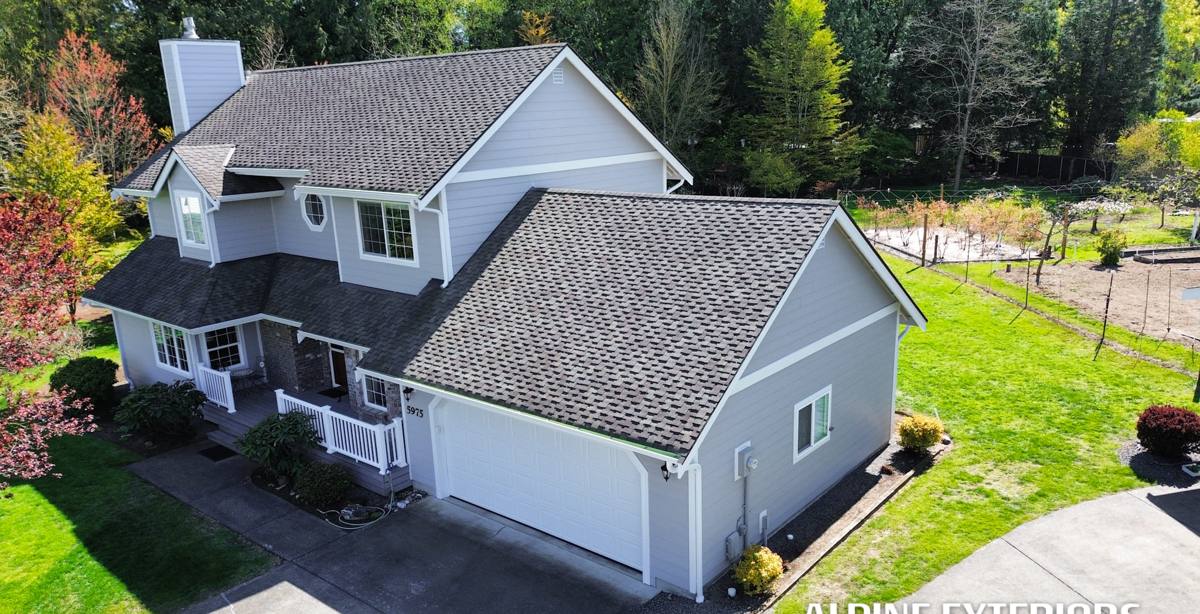
Signs Your Siding Needs Repair
Most siding problems don't announce themselves with a hole in the wall. They start small and get expensive if ignored. Homeowners in this neighborhood should walk the exterior a couple of times a year, especially after a named storm passes through, and look for:
- Cracked, split, or bowed panels, especially near corners and window trim
- Soft or spongy spots when you press on the siding — a sign moisture has gotten behind it
- Peeling, bubbling, or chalky paint that rubs off on your hand
- Visible gaps or separation at seams, joints, or where siding meets trim
- Staining or dark streaks that suggest water is tracking behind the panels
- Rust stains around fasteners, or fasteners that have backed out
- A musty smell or visible mold near baseboards on interior walls that share an exterior wall
Any one of these is worth a call. Several at once usually means the damage has been building for a while and it's time for a proper inspection rather than a spot fix.
Common Causes of Siding Damage in This Climate
Wind and Wind-Driven Rain
Pinellas County sees tropical storm and hurricane-strength wind events on a regular basis, and it's rarely the wind alone that causes damage — it's the rain the wind pushes sideways into seams, laps, and trim joints that were never designed to be hit head-on. Over time, that repeated intrusion softens the substrate behind the siding, even when the surface still looks fine.
Year-Round UV Exposure
Florida sun doesn't take a winter off. Constant UV breaks down paint film, causes fading and chalking, and dries out caulking and trim faster than in most of the country. Siding on the south and west sides of a Sunset Point home typically shows wear years before the north and east sides do.
Salt Air and Humidity
Proximity to the Gulf means airborne salt settles on exterior surfaces and accelerates corrosion of fasteners and metal trim, while Florida's humidity keeps moisture in play even between rain events. Materials that hold water — or that swell and contract with humidity swings — take the worst of it.
Repair or Replace? How We Make That Call
Not every damaged section needs to come off the house. But not every repair is worth doing, either. We look at the extent of the damage, the age and condition of the material, and whether the underlying issue has been fixed or is still active.
| Factor | Favors Repair | Favors Replacement |
|---|---|---|
| Extent of damage | Isolated to a few panels or one area | Spread across multiple walls or elevations |
| Age of siding | Well within expected service life | Near or past the end of its expected life |
| Root cause | Identified and already corrected | Ongoing moisture intrusion or unresolved flashing issue |
| Underlying structure | Sheathing and framing are sound | Soft sheathing or wood rot found behind panels |
| Material match | Matching material or paint is available | Discontinued product with no reasonable color/profile match |
We'll always tell you honestly which side of that table your home falls on. A homeowner who only needs three panels replaced shouldn't be sold a full re-side, and a homeowner with hidden rot behind half the exterior shouldn't be talked into a patch job that fails again in a year.
What a Correct Siding Repair Job Involves
Diagnosis Before Demo
Before anything comes off the wall, we figure out why it failed. Pulling a damaged panel and nailing up a new one without addressing the cause — a bad flashing detail, a caulk joint that dried out, a gutter dumping water where it shouldn't — just guarantees the same repair again in a few years.
Checking What's Behind the Siding
Once panels are pulled, we check the house wrap or building paper, the sheathing, and the framing underneath for softness or rot. In a coastal climate like Sunset Point's, water that's been getting behind siding for a season or two can do real damage to the substrate even if the siding itself still looks salvageable from the curb.
Matching Material and Finish
A repair only looks right if the new material matches the old in profile, exposure, and color. This is one of the trickiest parts of siding repair — older paint fades and weathers in ways that make an exact match difficult, and some products get discontinued or change profiles over the years.
Sealing and Flashing Details
Every repair gets finished with proper flashing and sealant at joints, corners, and penetrations — the details that actually keep wind-driven rain out. This is where a lot of shortcut repairs fail; the new panel looks fine, but the water management underneath was never corrected.
Repairing Different Siding Materials
Sunset Point has a mix of siding types on older and newer homes alike, and repair looks different depending on what's already on the wall.
Vinyl siding can often be patched or panel-swapped if you can source a matching color and profile, but sun-faded vinyl is notoriously hard to match exactly, and repeated heat cycling in Florida sun can make older vinyl brittle and prone to cracking again nearby. Wood and engineered wood siding is the most vulnerable to the moisture and pest issues that come with our humidity, and repairs often reveal more substrate damage than expected once you open the wall up.
James Hardie fiber cement siding repairs differently. Because it's non-combustible and dimensionally stable, it doesn't swell, crack from moisture cycling, or become brittle in the sun the way some other materials do — damage is far more often the result of impact or a flashing failure than the material simply wearing out. If your home already has Hardie siding with the factory ColorPlus finish, we can typically source a matching color for spot repairs without repainting the whole elevation, since ColorPlus is baked on to a documented color line rather than a one-off site-mixed paint.
When damage is extensive enough that replacement makes more sense than repair, this is also where our standard comes into play: we only install James Hardie fiber cement siding on full re-sides. It's engineered for exactly the conditions Sunset Point deals with — Hardie's HZ5 product line is formulated for hot, humid, storm-prone climates — and it carries a strong transferable warranty that matters if you sell the home down the road.
Why a Crew That Already Works Sunset Point Matters
Siding repair isn't just carpentry — it's knowing what this specific stretch of Clearwater throws at a house. A crew that regularly works Sunset Point already understands which elevations take the worst UV, which older homes tend to have the trickiest flashing details around windows, and how Pinellas County's permitting and wind-load requirements apply to exterior repair work. That local familiarity means fewer surprises once we open up a wall, and a repair plan that accounts for the next storm season instead of just patching what's in front of us today.
It also means faster response when you need it. After a wind event, timing matters — a repair scheduled quickly is a repair that stops further water intrusion before it becomes a bigger problem.
Our Repair Process
- Inspection: We walk the full exterior, not just the area you called about, since related damage often hides nearby.
- Diagnosis: We identify the root cause — wind intrusion, failed sealant, flashing issue, or material fatigue — before quoting anything.
- Honest recommendation: We tell you plainly whether a repair will hold up or whether replacement is the smarter long-term move, and why.
- The repair: Matching material, proper flashing and sealing, and attention to the details that actually keep water out.
- Follow-through: We stand behind the work and explain what to keep an eye on going forward.
If your Sunset Point home has siding damage from a recent storm, sun-worn trim that's starting to fail, or you're just not sure whether what you're seeing is cosmetic or something more, we're happy to take a look. Reach out using the form below for a free, no-pressure estimate.