 Clearwater Roofing
 Belleair's Coastline Puts Extra Demands on Every Window
Belleair sits on a narrow peninsula between Clearwater Harbor and the Gulf of Mexico, which means homes here take on more weather than properties just a few miles inland. Salt-laden air moves through the area daily, hurricane-season winds can arrive from the Gulf side or the harbor side depending on the storm track, and the sun is intense for most of the year. A window that holds up fine in a sheltered inland neighborhood can fail years earlier in Belleair if it wasn't specified and installed with that exposure in mind.
This page covers what window installation actually requires for a Belleair home: the code requirements that apply, the materials that hold up to salt air and UV, the installation details that matter more than the window brand itself, and what to expect from a crew that already works this part of Pinellas County.
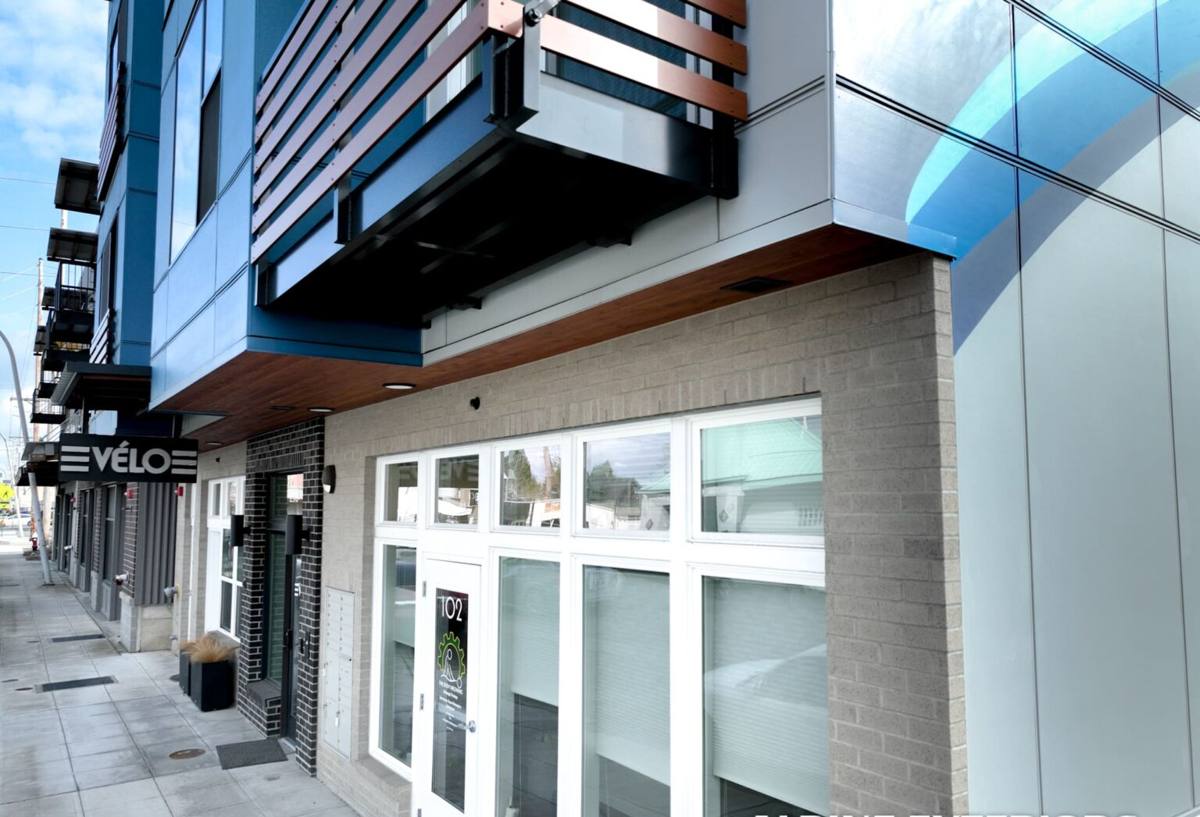
What Coastal Exposure Does to Windows Over Time
Every window in Belleair is doing more work than the same window would inland. A few things drive most of the premature failures we see on service calls in this area.
Salt Air and Metal Components
Salt in the air settles on hardware, screens, and frame components and speeds up corrosion, especially on lower-grade fasteners, hinges, and locking hardware. Pitting and white corrosion on aluminum, and rust bleeding from steel screws, are usually a sign the original hardware wasn't rated for a coastal environment.
UV and Seal Failure
Florida sun breaks down vinyl, weatherstripping, and glazing sealant faster than most other climates in the country. Once the perimeter seal or the seal between panes of an insulated glass unit starts to go, you get fogging between the glass, drafts, and eventually water intrusion.
Wind-Driven Rain
Belleair's storms don't just bring wind — they push rain sideways into any gap in the flashing or sealant around a window opening. Most of the water damage we find during a window replacement didn't come through the glass; it came through a flashing detail or sealant joint that was never installed correctly in the first place.
Energy Efficiency and Comfort
Coastal Florida heat isn't just a UV problem for the frame and sealant — it's a comfort and cost problem for the house. Older single-pane or poorly sealed windows let heat load into the home most of the day, which shows up directly in cooling bills. A properly sealed, insulated window with a low-E glass coating cuts down on that heat gain without darkening the room the way tinted film can, and it pairs with the same weatherproofing work that protects against wind-driven rain.
Florida Building Code and What a Correct Installation Requires
Pinellas County is not in Florida's High-Velocity Hurricane Zone (that designation applies to Miami-Dade and Broward), but it is still a wind-borne debris region under the Florida Building Code, and Belleair's exposure to open water pushes design requirements toward the higher end of what's typical for the county.
Design Pressure Ratings
Every window installed has to meet a design pressure rating tied to your specific property — its elevation, exposure category, and proximity to open water all factor in. That rating isn't optional or generic; it's calculated for the address, and it determines what products are even eligible for the opening.
Product Approval Documentation
Any window sold for use in a wind-borne debris region needs a current Florida product approval or Miami-Dade Notice of Acceptance on file, showing it was tested to the pressure and impact standards it's being sold under. A legitimate installer can produce this documentation for the exact product going into your home, not just a general brand brochure.
Permits and Inspections
Belleair is its own incorporated town, and depending on the scope of work, permitting can run through the town rather than Pinellas County directly. A window replacement typically requires a permit and a final inspection regardless of which jurisdiction issues it. Skipping the permit might save a few days up front, but it leaves you without an inspection record, which can matter at resale or when filing an insurance claim after a storm.
Choosing a Frame Material for a Belleair Home
Frame material matters as much as glass package in a salt-air environment. Here's how the common options compare for a property in this location.
| Frame Material | Coastal / Salt Air Durability | Maintenance | Relative Cost | Notes |
|---|---|---|---|---|
| Vinyl | Good — won't corrode or pit | Low; occasional cleaning | Lower | Look for coastal-rated welded corners and UV-stabilized formulations; cheaper vinyl can warp under sustained Florida heat |
| Aluminum | Fair to good if properly finished; bare or poorly coated aluminum corrodes faster near the water | Moderate; watch hardware and finish | Mid | Common in impact-rated products for its strength-to-frame-size ratio; finish quality matters more here than most places |
| Fiberglass / composite | Very good — dimensionally stable, resists corrosion and UV degradation | Low | Higher | Often the best long-term choice for direct coastal exposure; higher upfront cost offset by longer service life |
Glass package matters too. Laminated impact glass is the standard for wind-borne debris protection, and a low-E coating helps with the UV and heat load Belleair homes deal with most of the year. We'll walk through the tradeoffs for your specific openings and budget rather than pushing one product line.
What a Correct Installation Actually Involves
The window itself is rated by a lab. How it performs in your wall depends entirely on the installation, and this is where most of the real-world failures start.
Full-Frame Replacement vs. Insert Replacement
Not every job needs the existing frame removed down to the rough opening. If the existing frame is sound, square, and free of water damage, an insert (or "pocket") replacement — where the new window is set into the existing frame — can be a faster, less invasive option. If there's rot, corrosion, or the opening isn't square, a full-frame replacement is the honest recommendation, even though it's more labor. We'll tell you which one your openings actually need rather than defaulting to whichever is easier to sell.
Removal and Rough Opening Prep
Old windows come out carefully so the rough opening can be inspected. Any wood rot, corroded framing, or existing water damage gets addressed before a new window goes in — installing over a compromised opening just hides the problem.
Flashing and Waterproofing
This is the detail that separates a durable installation from one that leaks in two years. Proper flashing and sill pan work directs any water that gets past the window back out, rather than into the wall cavity. In a wind-driven-rain climate like Belleair's, this step isn't optional or something to rush.
Fastening and Sealing
Fastener type, spacing, and embedment have to match what the product approval specifies — this is what the design pressure rating actually depends on. Sealant has to be a product rated for exterior, UV, and coastal exposure, applied at the right joints, not just smeared around the perimeter afterward.
Egress and Code Compliance
Bedroom windows have to meet minimum egress requirements — clear opening size and sill height — so replacement isn't just a swap of the same size unit. Part of our assessment is confirming that any bedroom or code-required egress opening still meets current requirements after the new window goes in, since older Belleair homes were sometimes built to standards that have since changed.
Our Process, Start to Finish
- Assessment and measurement: we look at every opening individually, note existing damage, and measure for accurate design pressure requirements based on your property.
- Product selection: we go over frame material, glass package, and budget honestly, including what fits your home's style and what the code requires for your openings.
- Permitting: we handle the permit application and documentation, whether it routes through the Town of Belleair or Pinellas County.
- Removal and prep: old units come out, rough openings get inspected and repaired if needed before anything new goes in.
- Installation: windows are set, shimmed, flashed, and fastened to the specifications tied to the product approval for your design pressure rating.
- Sealing and cleanup: exterior and interior sealant is applied with coastal-rated products, and the work area is cleaned up.
- Final inspection: we coordinate the inspection required to close out the permit, so you have a documented, code-compliant record on file.
What to Verify Before You Hire Anyone
- Active Florida contractor license, and insurance you can independently verify — not just a card handed to you
- Willingness to pull the permit themselves, not ask you to pull it as an owner-builder
- Current product approval or Notice of Acceptance documentation for the specific windows they're proposing
- A written design pressure calculation or reference for your address, not a generic "hurricane rated" claim
- A clear scope of work covering flashing and waterproofing details, not just "remove and replace"
- A written workmanship warranty separate from the manufacturer's product warranty
- Local references or a track record of jobs in Belleair or nearby coastal Pinellas neighborhoods
Why a Crew That Already Works in Belleair Matters
Window installation isn't identical everywhere in the county. A crew that regularly works in Belleair already knows the design pressure ranges typical for this exposure, has relationships with the local permitting process, and defaults to coastal-rated hardware and sealants without being asked. That familiarity shows up in fewer surprises during permitting, fewer callbacks for corroded hardware a few years down the road, and a straighter path from estimate to final inspection.
It also matters for anyone dealing with an HOA or neighborhood architectural review — a crew that's worked in the area understands that some Belleair neighborhoods have their own approval steps for exterior changes, and can help you plan the timeline around that rather than getting caught off guard mid-project.
Keeping New Windows Performing Long-Term
Even a well-installed, coastal-rated window benefits from basic upkeep in this environment. Rinsing frames, tracks, and screens periodically clears salt buildup before it has a chance to work on hardware and finishes. Locking hardware and rollers do better with occasional light lubrication, and it's worth a visual check of exterior sealant joints each year, particularly after a rough storm season, since sealant is a wear item even when everything else about the installation is right. None of this is complicated, but skipping it is how a twenty-year window turns into a twelve-year window in a salt-air location like Belleair.
Get a Straightforward Estimate
If you're weighing window replacement for a Belleair property, we're glad to walk your home, look at your existing openings, and give you an honest read on what your project actually needs — no pressure, no inflated scope. Use the form below to request a free estimate.