 Clearwater Roofing
 Belleair's Siding Has a Harder Job Than Most
Belleair sits close enough to the Gulf and the Intracoastal that its homes take on a different kind of weather stress than a house ten miles inland in Pinellas County. The salt content in the air corrodes fasteners and finishes faster, the humidity keeps moisture pressed against exterior walls for more of the year, and the open exposure common to waterfront and near-waterfront lots means wind loads during a tropical system or a strong summer squall can be higher than what a standard suburban installation is built to handle. Add in the intensity of year-round Florida UV, and siding here is being tested constantly — not just during storm season.
That combination is why generic siding work doesn't hold up well in this part of Clearwater. A product or installation method that performs fine in a drier, calmer climate can fail early in Belleair: paint chalks and fades faster, seams that aren't detailed correctly let in wind-driven rain, and any organic or moisture-sensitive material starts to show swelling, soft spots, or rot years ahead of schedule. Siding installation here has to be planned around the environment it's actually going into, not a generic national spec sheet.
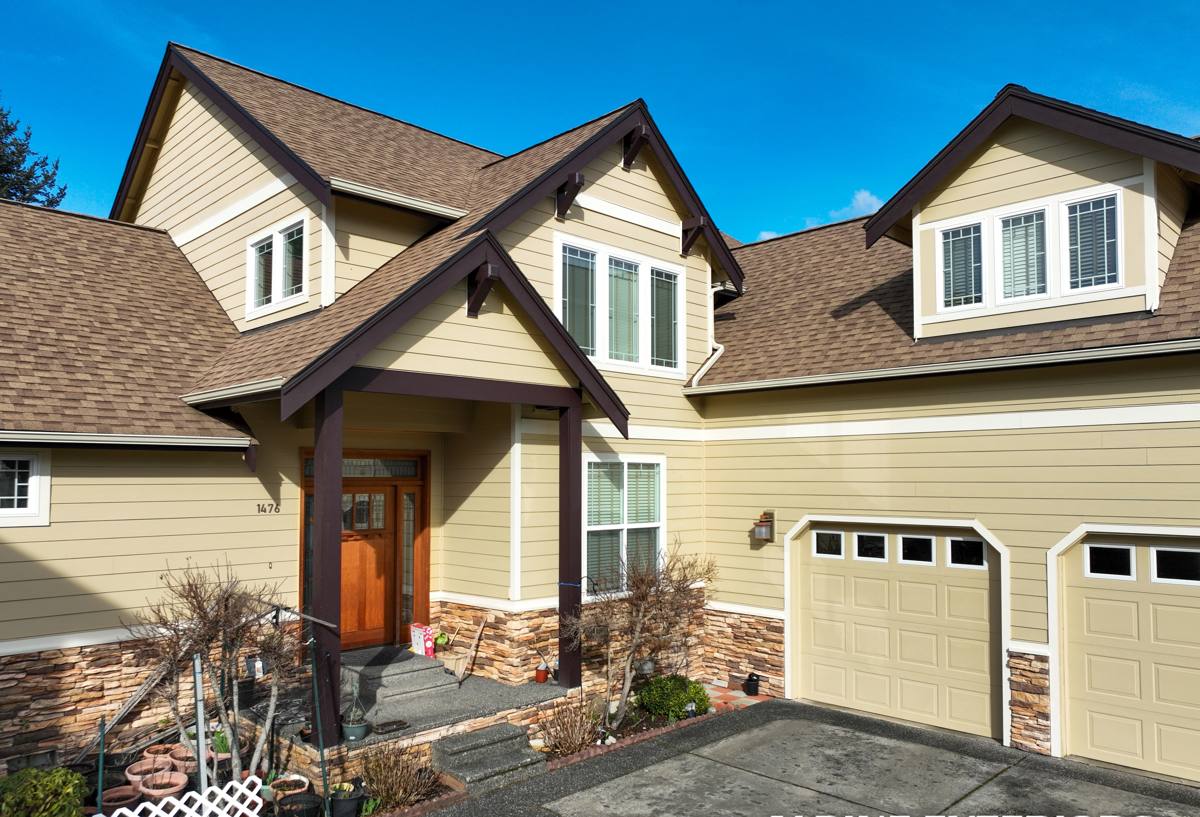
What "Correct" Siding Installation Actually Means
Siding failures are rarely about the material alone — most of the ones we get called out to inspect trace back to installation shortcuts, not a defective product. Getting it right in a coastal wind and rain environment means paying attention to details that don't show up in a quick visual inspection after the job is done.
Water Management Comes First
Before a single piece of siding goes up, the wall needs a correctly lapped weather-resistive barrier, properly flashed windows, doors, and penetrations, and a drainage plane that lets any moisture that does get behind the cladding find its way back out. In a climate that sees frequent wind-driven rain, this layer matters more than the siding itself — it's the difference between water that sheds harmlessly and water that gets trapped against sheathing.
Fastening for Wind Zones
Coastal Pinellas County properties fall under wind-borne debris and high-velocity wind provisions in the Florida Building Code. Fastener type, spacing, and embedment all have to match the manufacturer's engineered specifications for the applicable wind zone — not a generic nailing pattern. Under-fastened siding is one of the most common causes of panels lifting or failing during storms.
Clearances and Joint Detailing
Fiber cement siding needs proper clearance from roofing, decks, and grade, and every joint, corner, and butt seam needs to be caulked or flashed per spec. Skipping these details is invisible on install day and expensive two or three years later when moisture finds the gap.
Why We Install Only James Hardie Fiber Cement
We standardized on James Hardie products for every siding installation we do, including in Belleair, because it's the system best suited to what this specific climate demands. Hardie's fiber cement is non-combustible, dimensionally stable in humidity swings, and resistant to the pest and rot problems that come with wood-based products in a wet, warm environment. The ColorPlus factory finish is baked on and warranted against fading in a way that field-applied paint isn't, which matters under Florida's UV load. And Hardie's HZ5 product line is engineered specifically for high-humidity, moisture-prone climates like ours — it's not a generic siding being installed everywhere; it's a product line built for exactly the conditions Belleair sees.
We don't install vinyl, LP SmartSide, cedar, primed spruce, or other fiber cement brands. That's a deliberate standard, not a marketing line. Vinyl siding is a poor match for high wind exposure and can distort under sustained heat; wood-based products carry ongoing maintenance and moisture-vulnerability trade-offs that we don't think are worth it on a home this close to the Gulf. Fiber cement, installed correctly, gives Belleair homeowners a siding system that's built to be left alone for a long time.
How Siding Materials Compare in This Climate
| Material | Wind/Impact Resistance | Moisture Behavior | Maintenance Burden | Typical Finish Longevity |
|---|---|---|---|---|
| James Hardie fiber cement | Strong when installed to spec | Dimensionally stable, non-combustible | Low | Factory finish warranted for years, resists fading |
| Vinyl | Can crack, warp, or blow off in high wind | Doesn't rot, but seams can let water behind panels | Low, but limited repair options once damaged | Fades and becomes brittle with UV exposure over time |
| Wood / cedar | Moderate | Prone to moisture absorption, rot, pest damage near coast | High — regular repainting and sealing | Shortest without diligent upkeep |
| Engineered wood (e.g. LP SmartSide) | Moderate to good | Sensitive to sustained moisture exposure at edges/seams | Moderate | Depends heavily on installation and caulking maintenance |
This isn't a claim that every alternative material fails — plenty of homes around Florida have vinyl or engineered wood siding performing acceptably. It's a statement of our own standard: for a coastal Clearwater property, we believe fiber cement gives homeowners the best combination of durability, low maintenance, and warranty backing, so it's the only system we put our name behind.
Our Installation Process for Belleair Homes
- On-site assessment — we walk the exterior, check the current wall assembly, note wind exposure (waterfront, near-waterfront, or interior lot), and identify any existing moisture or substrate issues before quoting anything.
- Tear-off and substrate inspection — old siding comes off and we inspect sheathing for rot or damage that needs to be addressed before new siding goes on. Covering up a compromised substrate is how small problems become big ones.
- Water-resistive barrier and flashing — house wrap or building paper installed with correct laps, and all windows, doors, and penetrations flashed before cladding begins.
- Hardie installation to manufacturer and code spec — fastener pattern, spacing, and clearances set to the applicable Florida Building Code wind zone requirements for the property's location.
- Joint and trim detailing — seams, corners, and trim sealed per Hardie's installation instructions, not general caulk-and-hope practice.
- Final inspection and cleanup — a walk-through before we consider the job finished, plus site cleanup.
What to Check Before Hiring Anyone for Siding Work
- Are they licensed and insured to work in Pinellas County, and can they show proof without being asked twice?
- Do they pull the required permits, or suggest skipping that step?
- Can they explain their fastening pattern and wind-zone compliance specifically, not just "we follow code"?
- Do they inspect and address substrate condition before installing new siding over it?
- Is the warranty they offer backed by the manufacturer, or just a verbal promise from the crew?
- Have they actually installed siding on other homes in this area, and do they understand the exposure differences between waterfront and inland lots?
Why Local Experience in Belleair Matters
Belleair and the surrounding Clearwater area have their own permitting expectations, wind-zone requirements, and, in many neighborhoods, a strong local emphasis on curb appeal and architectural consistency. A crew that already works in this area knows how to navigate permitting without delays, understands which wind-zone documentation the county wants to see, and has a feel for the aesthetic standards homeowners in these neighborhoods expect from a finished exterior. That local familiarity shortens the project timeline and reduces the chances of a surprise mid-job, whether that's a permitting hiccup or a substrate issue that a crew unfamiliar with the area's building stock might not anticipate.
What Correct Siding Costs to Get Right
| Cost Factor | Why It Matters Here |
|---|---|
| Home size and wall complexity | More corners, dormers, and trim detail mean more labor and flashing work |
| Substrate condition | Rot repair or sheathing replacement adds cost but prevents early failure |
| Wind zone classification | Waterfront and near-waterfront lots may require heavier fastening schedules |
| Trim and accessory selection | Hardie trim, soffit, and fascia options affect both cost and long-term consistency of finish |
| Access and site conditions | Tight lots, landscaping, or multi-story sections affect labor time |
We don't quote a job over the phone with a flat number — an accurate estimate depends on walking the property and seeing what's actually there. What we can say honestly is that fiber cement installed correctly costs more upfront than vinyl but is designed to avoid the repeat maintenance and premature replacement costs that lower-cost materials tend to carry in this climate.
Signs Your Current Siding Is Falling Behind
If your home's siding is already up, a few warning signs are worth acting on before they become bigger repairs: soft or spongy spots when pressed, visible gaps at seams or trim, paint that's chalking or peeling well ahead of schedule, or panels that flex or rattle in wind. Any of these point to moisture getting behind the cladding or an installation that wasn't detailed correctly the first time — both are more affordable to fix now than after a storm finds the weak point for you.
Ready When You Are
If you're weighing a siding project on a Belleair home, we're glad to come take a look, walk the exterior with you, and give you a straightforward, no-pressure estimate — no obligation, no hard sell. Use the form below to get started.