 Clearwater Roofing
 Window Replacement Built for Belleair's Coastal Conditions
Belleair sits along the water in Pinellas County, tucked between Clearwater Harbor and the Gulf, and that location shapes what a window has to survive here. Homes in this area take on a combination of stresses that inland houses simply don't deal with: salt-laden air that corrodes hardware and finishes, intense year-round UV that breaks down seals and frames, wind-driven rain that finds every weak point in a window's flashing, and the real possibility of hurricane-force winds during storm season. A window that's rated and installed correctly handles all of that quietly, for years. One that isn't will show it early — fogging glass, sticking sashes, soft spots in the frame, or a leak that shows up on the wall below the sill.
This page is specifically about window replacement for homes in Belleair. We're not going to give you a generic national rundown of window types — we're going to walk through what actually matters for a house in this part of Clearwater, what a correct installation looks like, and how we handle the job from estimate to final walkthrough.
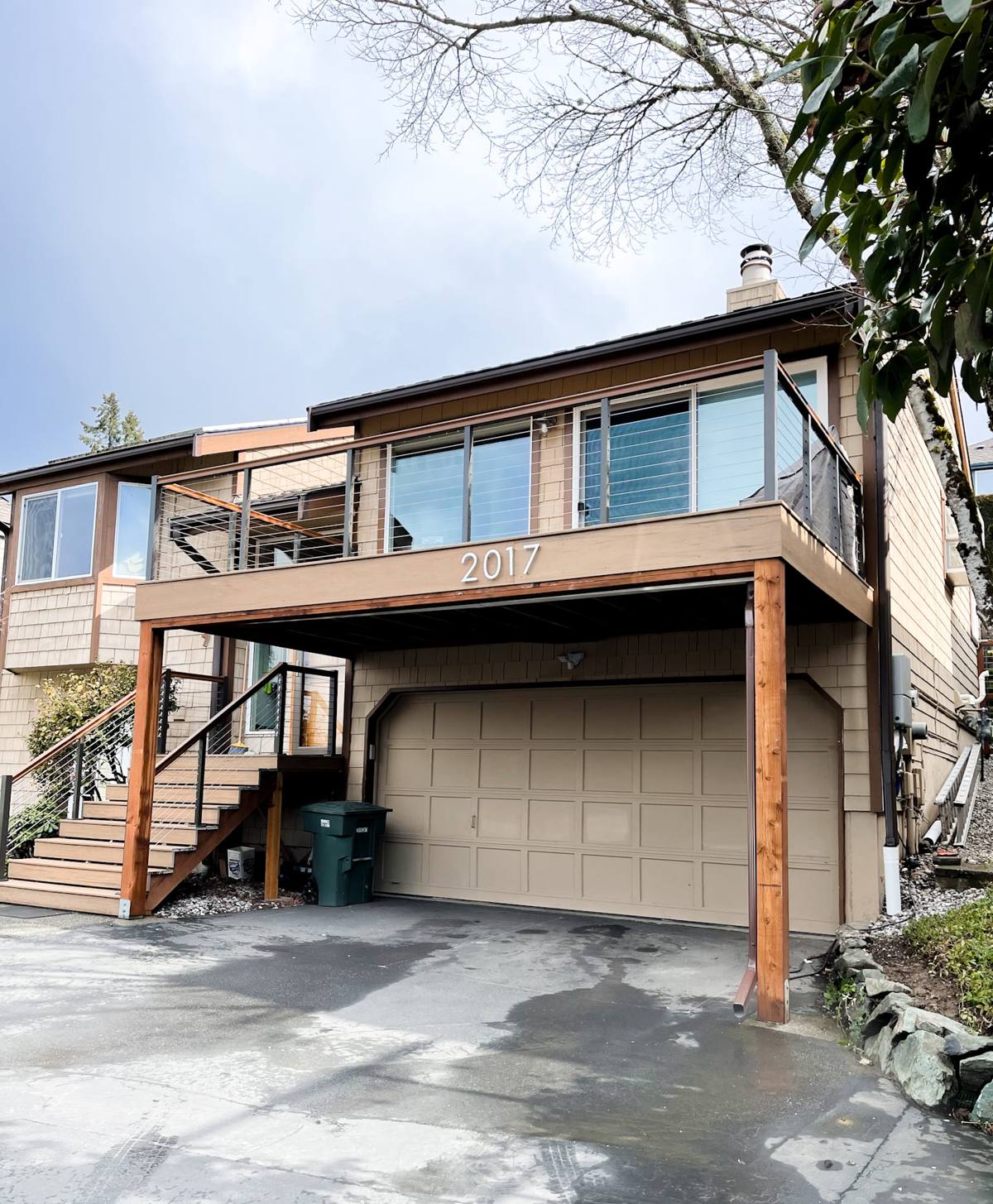
What This Climate Actually Does to Windows
Salt Air and Corrosion
Homes close to the water deal with airborne salt settling on every exterior surface, including window frames and hardware. Over time it attacks aluminum finishes, corrodes cheaper hinges and locks, and can pit or discolor lesser-grade metal components. It's slow, so it's easy to ignore until a window won't latch properly or a frame starts pitting.
UV Exposure
Florida sun is harder on building materials than most homeowners realize. UV breaks down vinyl and rubber seals, fades frame finishes unevenly (worse on south and west exposures), and accelerates the failure of low-quality glazing compounds. A window that looked fine on install day can be visibly degraded in under a decade if the materials weren't chosen with UV exposure in mind.
Wind-Driven Rain
Rain in this area rarely falls straight down. Storms push it sideways, and sideways rain finds any gap in flashing, any short bead of sealant, or any window that wasn't shimmed and leveled correctly. Most of the "window leaks" we get called out for in Belleair aren't glass or frame failures — they're installation and flashing failures.
Hurricane-Force Wind
Pinellas County sits in a wind-borne debris region, and Belleair's exposure near open water means wind loads on a home's windows are a real design factor, not a theoretical one. Windows need to resist both direct wind pressure and impact from debris without the frame flexing enough to let water or air infiltrate.
Signs a Home in Belleair Needs Window Replacement
Repair makes sense for isolated issues — a cracked pane, a failed balance, a torn screen. Replacement becomes the right call when the problems point to the window's structure or seals, not just a single part. Common signs we see on service calls in this area:
- Fogging or a visible haze between panes of double-pane glass — the seal has failed and the insulating gas is gone
- Frames that feel soft, spongy, or show bubbling paint, especially at the bottom corners
- Windows that are difficult to open, close, or lock, or that have been painted shut
- Visible daylight or a draft around the frame when the window is closed
- Water staining on the wall, sill, or trim below or around the window after heavy rain
- Noticeably higher energy bills without another explanation, especially in rooms with older single-pane windows
- Chalky, faded, or pitted exterior frames, particularly on windows facing south, west, or the water
What a Correct Replacement Actually Involves
Swapping in a new window is the easy part. What determines whether it holds up in this climate is everything around it — the parts a homeowner doesn't see once the job is done.
Removal and Inspection
Old windows come out carefully so we can inspect the rough opening. Wood-framed openings in older Belleair homes sometimes have hidden rot or old, unsealed flashing behind the trim — better to find and address it now than seal a new window over a problem.
Flashing and Waterproofing
This is the step that actually stops leaks. Proper flashing tape and sealant integrate with the home's existing weather barrier so water is directed out and away from the wall, not trapped behind the new window. This matters more here than almost anywhere else, given how much wind-driven rain this area gets.
Shimming, Leveling, and Fastening
A window that isn't shimmed level and square will bind, won't seal evenly, and puts uneven stress on the frame — which shortens its life considerably in a high-wind zone. Fasteners and anchoring have to match what the window's wind rating actually requires, not just what's convenient.
Sealing and Finish Work
Interior and exterior sealant, trim, and caulking are finished to shed water and look clean from both sides. Old caulk and damaged trim get replaced, not caulked over.
Choosing the Right Window for a Belleair Home
There isn't one "correct" window for every house — it depends on the home's age, exposure, budget, and whether it needs to meet current wind-borne debris requirements. Here's how the common options stack up for this kind of coastal setting:
| Frame Material | Coastal Performance | Maintenance |
|---|---|---|
| Vinyl | Good salt-air resistance, doesn't corrode; quality varies by manufacturer | Low — no painting, occasional cleaning |
| Aluminum | Strong and slim profile, but lower-grade finishes can pit near saltwater over time | Moderate — finish should be checked periodically |
| Fiberglass | Very stable in heat and humidity, resists warping and UV degradation well | Low, though typically a higher upfront cost |
| Wood (with cladding) | Common in older Belleair homes for appearance, but needs protection from moisture and salt | Higher — periodic sealing/painting of exposed wood |
We'll also walk through glass packages — impact-rated laminated glass, Low-E coatings for UV and heat rejection, and tint or reflective options — based on which side of the house you're on and how much direct sun and water exposure it gets.
Impact-Rated vs. Standard Windows
Impact-rated windows use a laminated interlayer that keeps the glass intact even if it's struck by debris, so the opening stays protected instead of failing outright. In a wind-borne debris region like this part of Pinellas County, impact glass is worth strong consideration even where it isn't strictly required, since it also cuts down on outside noise and adds a layer of security. Standard windows can still be code-compliant when paired with approved shutters or protection, but that means an extra step during every storm watch rather than a window that's already protected.
Cost Factors to Understand Before You Get Quotes
We don't publish blanket per-window pricing because the real cost depends on several variables — but knowing what drives the price up or down helps you evaluate quotes honestly.
| Factor | Tends to Lower Cost | Tends to Raise Cost |
|---|---|---|
| Frame material | Standard vinyl | Fiberglass, premium-finish aluminum |
| Glass package | Standard Low-E dual pane | Impact-rated laminated glass |
| Opening condition | Sound framing, standard sizes | Rot repair, out-of-square or custom openings |
| Home age/style | Modern construction | Older or historic homes needing trim/stucco matching |
| Quantity | Whole-house replacement (per-unit efficiency) | Single or few-window jobs |
An honest estimate accounts for all of this up front rather than adding surprises once the old windows are already out of the wall.
Permits and Wind Load Requirements
Window replacement in Pinellas County, including Belleair, generally requires a permit and has to meet the wind load and impact requirements set out in the Florida Building Code for this coastal region. That means the products used need current Florida product approval or Miami-Dade NOA documentation, and the installation itself has to meet the fastening and anchoring specs tied to that approval — not just "look right" once it's in. We pull the necessary permits and handle inspections as part of the job, so you're not left to sort that out on your own or find out later that unpermitted work is a problem when you sell the home.
Our Process, Start to Finish
- Estimate visit — we look at your existing windows, openings, and exposure, and talk through what actually makes sense for your home and budget
- Product selection — frame material, glass package, and impact rating decided together, room by room if needed
- Permitting — we handle the paperwork with Pinellas County so the job is documented and inspected properly
- Removal and prep — old windows come out, openings are inspected and repaired if needed
- Installation — flashing, shimming, fastening, and sealing done to spec for this area's wind and water exposure
- Final walkthrough — every window operates, locks, and seals the way it should before we consider the job done
Why It Matters That We Already Work in Belleair
A window installer who mostly works inland can install a technically fine window that still underperforms here, because they're not used to designing for salt exposure, wind load documentation, or the specific way storms hit homes near the water. Working regularly in and around Belleair and the rest of the Clearwater area means we already know what Pinellas County inspectors look for, what product approvals are current, and which details actually cause failures on homes with this kind of exposure — so we're not learning that on your project.
If your windows are drafty, foggy, hard to operate, or you're planning ahead of the next storm season, we're happy to take a look and give you a straightforward, no-pressure estimate — no obligation, just an honest read on what your home actually needs. Use the form below to get started.