 Clearwater Roofing
 Siding That Has to Work in Coachman Ridge's Climate, Not Just Look Good
Coachman Ridge sits inland from the Gulf but still lives under the same Pinellas County weather load as every other Clearwater neighborhood: long stretches of intense UV, humidity that never really lets up, sudden downpours pushed sideways by wind, and salt-laden air that drifts in off the coast even miles from the beach. Siding here isn't a cosmetic decision. It's the layer standing between your home's structure and a climate that spends ten months a year trying to find a weak point in it.
We install fiber cement siding specifically for this reason, and we install James Hardie products exclusively. This page is about what that means for a Coachman Ridge home in particular — what the climate demands, what a correct installation actually involves, and how our process runs when we're working in your neighborhood.
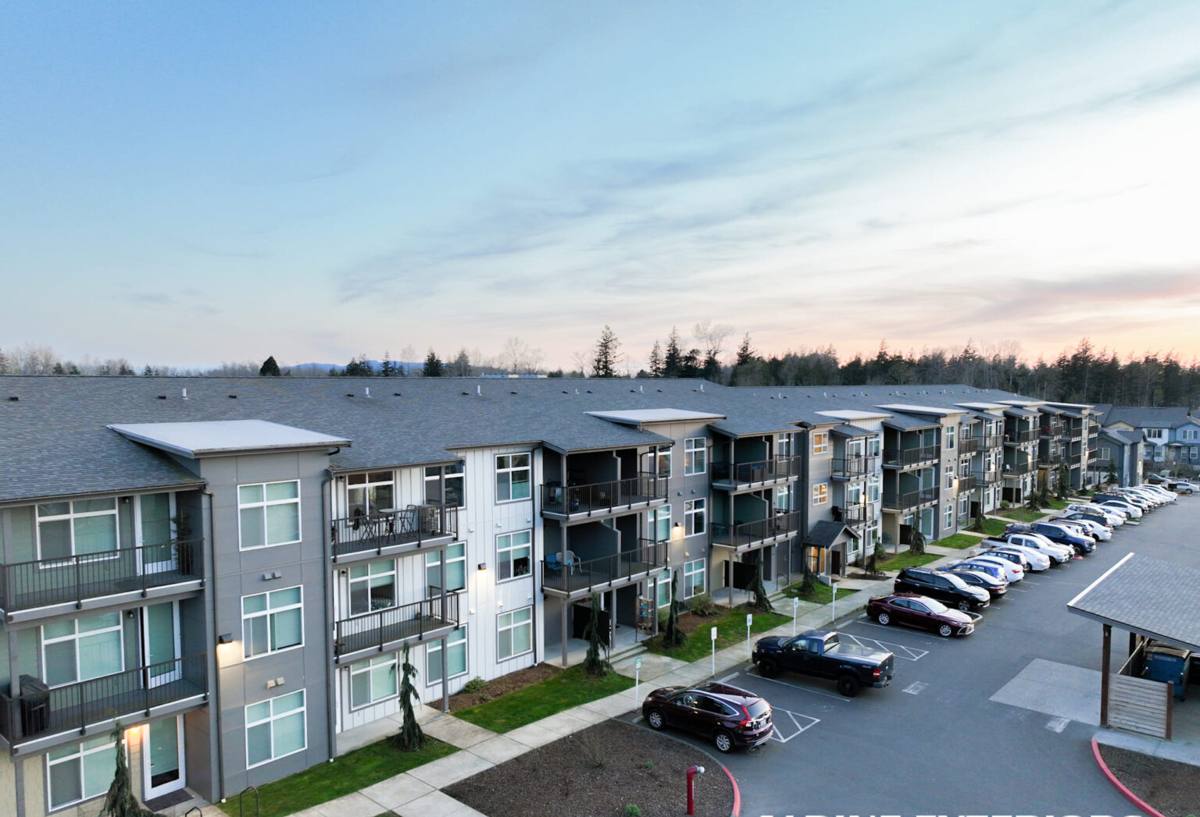
What Clearwater's Climate Actually Does to Exterior Walls
Heat and UV
Florida sun degrades paint film and breaks down lesser siding materials from the outside in. Cheaper composites and unprotected wood chalk, fade, and become brittle years before they should. Factory-cured, factory-finished siding holds its color and integrity far longer than anything painted on-site under field conditions.
Wind-Driven Rain
Pinellas County storms rarely fall straight down. Wind pushes rain sideways and up under laps, into seams, and behind trim — which means the water management behind the siding (house wrap, flashing, proper laps and gaps) often matters more than the siding material itself. A beautiful siding job with sloppy flashing details will still let water in.
Salt Air and Humidity
Even away from the immediate coastline, salt-bearing air accelerates corrosion of fasteners and metal trim, and constant humidity keeps wall assemblies from ever fully drying out between rain events. Materials and fasteners that aren't rated for this environment fail faster here than they would inland in a drier climate.
Hurricane-Force Wind Events
Named storms and tropical systems put a direct wind-load test on siding attachment. Fastening pattern, nail penetration, and starter strip details determine whether siding stays put or peels off in gusts — this is an installation issue as much as a product issue.
Why We Only Install James Hardie Fiber Cement
We don't install vinyl, LP SmartSide, Cemplank, Allura, primed spruce, or cedar. Each of those has real strengths — vinyl is inexpensive and low-maintenance in mild climates, engineered wood products are lighter and easier to handle, natural wood has genuine curb appeal. But every one of them has a trade-off that shows up faster in a Gulf Coast climate than it would elsewhere: vinyl can warp and fade under sustained heat and UV, wood-based products are more sensitive to moisture intrusion over time, and natural wood demands a maintenance schedule most homeowners can't keep up with in this humidity.
James Hardie fiber cement is non-combustible, dimensionally stable in heat and humidity, and holds its factory-applied ColorPlus finish far longer than field-painted alternatives. Hardie also engineers climate-specific product lines — HZ5 is built for exactly the heat, humidity, and moisture cycling that Coachman Ridge experiences. That's the standard we build to, and it's why we don't offer the alternatives as an option.
What a Correct Fiber Cement Installation Involves
Fiber cement siding fails prematurely almost exclusively because of installation mistakes, not product defects. On every Coachman Ridge project, we hold to the same non-negotiables:
- Weather-resistive barrier installed continuously behind the siding, with no gaps or punctures left unsealed
- Correct flashing at every window, door, and penetration — this is where wind-driven rain finds its way in if it's skipped
- Manufacturer-specified minimum clearances from roofing, decking, and grade to keep the bottom edge of the siding out of standing moisture
- Proper fastener type, spacing, and embedment depth — under-driven or over-driven nails are one of the most common causes of siding call-backs
- Correct overlap on lap siding and sealed, backed joints at every butt seam
- Caulking and sealant only where Hardie's installation instructions specify it — over-caulking traps moisture just as badly as under-caulking
None of this is visible once the job is finished, which is exactly why it matters who's doing the work and not just what material is on the truck.
Comparing Common Siding Options for a Coachman Ridge Home
| Material | Heat/UV Behavior | Moisture Behavior | Wind Performance | Long-Term Upkeep |
|---|---|---|---|---|
| James Hardie Fiber Cement | Stable, factory finish resists fading | Dimensionally stable, engineered HZ5 line for humid climates | Rated systems when installed to spec | Occasional wash, repaint on a much longer cycle |
| Vinyl | Can soften, warp, or fade under sustained heat | Doesn't rot, but can trap moisture behind panels if installed loosely | Can crack or blow off in high gusts | Low, but limited repair options once damaged |
| LP SmartSide / Engineered Wood | Painted finish, subject to normal UV wear | More sensitive to sustained moisture exposure at cut edges and seams | Adequate when fastened correctly | Requires diligent edge sealing and monitoring |
| Natural Wood / Cedar | Fades and checks without regular refinishing | Most vulnerable to rot, insects, and moisture in humid climates | Performs adequately but repairs are frequent | Highest — regular painting, sealing, and repair |
Our Process for a Coachman Ridge Siding Job
Assessment and Estimate
We walk the exterior, check the existing wall assembly for hidden moisture damage, take measurements, and talk through which Hardie product line and profile fits the house — HardiePlank lap siding is the most common choice for Coachman Ridge's mostly single-family housing stock, with HardiePanel or trim accents used where the design calls for it.
Removal and Substrate Check
Old siding comes off and we inspect the sheathing underneath before anything new goes up. This is the point where hidden rot, old water damage, or failed prior flashing gets caught — it's far cheaper to address before new siding covers it back up.
Weather Barrier and Flashing
House wrap and flashing go in first, with every window, door, and penetration detailed to shed water outward and downward, matched to the wind-driven rain patterns typical of Gulf Coast storms.
Siding Installation
Panels or planks go up to Hardie's fastening and clearance specifications, not shortcuts. We keep an eye on level and reveal consistency throughout, not just at the corners.
Trim, Caulking, and Final Inspection
Trim and accessories are finished, sealant is applied only where specified, and we do a final walk-through with the homeowner before calling the job complete.
What Drives the Cost of a Siding Job Here
| Factor | Why It Matters in Coachman Ridge |
|---|---|
| Home size and wall complexity | More corners, gables, and dormers mean more cutting, flashing detail, and labor time |
| Condition of existing sheathing | Hidden moisture or rot found during removal adds repair scope before new siding can go on |
| Siding profile and accessories chosen | Lap width, trim style, and accent panels affect material cost and install time |
| Access and site conditions | Landscaping, fencing, pool cages, and tight lot lines common in established neighborhoods affect staging and labor |
| Permitting requirements | Pinellas County wind-load and permitting standards apply to exterior work and are factored into project timelines |
We give a written, itemized estimate up front so you know exactly what's driving the number before any work starts — no vague allowances that turn into surprises later.
Maintaining Fiber Cement Siding Once It's Installed
Correctly installed Hardie siding is low-maintenance, not no-maintenance. A simple seasonal routine keeps it performing for decades:
- Rinse the exterior periodically to remove salt residue, pollen, and mildew film — a garden hose and soft brush is usually enough
- Walk the perimeter after major storms to check for loose trim, damaged caulking, or debris impact
- Keep sprinklers and irrigation heads angled away from the siding to avoid constant wetting of one section
- Trim back landscaping that holds moisture against the wall or restricts airflow
- Have caulking and paint touch-ups addressed promptly rather than left to spread
Why Hiring a Crew That Knows This Neighborhood Matters
A siding crew that regularly works Clearwater and Pinellas County neighborhoods like Coachman Ridge already understands the local wind and moisture patterns, the permitting process, and the kind of housing stock common to the area — that experience shows up in the details you can't see once the job is done. It also means a contractor who's still reachable years later if a warranty question comes up, rather than an out-of-town crew that moves on after the invoice is paid. We stand behind our installation and back it with James Hardie's manufacturer warranty on the product itself.
If you're planning a siding replacement in Coachman Ridge, we're glad to walk your home, answer questions honestly — including about products we don't install and why — and put together a straightforward, no-pressure estimate. Use the form below to get started.