 Clearwater Roofing
 Windows Built for Countryside's Weather, Not Just Its Openings
Countryside sits inland from the coast compared to some Clearwater neighborhoods, but it's still Pinellas County — which means the same hurricane wind zones, the same wind-driven rain, and nearly the same salt-laden air that eats away at anything not built for it. Homes here go through the same annual cycle: months of intense UV that breaks down vinyl and seals, sudden summer downpours that test every window's water management, and the real chance of a tropical system pushing wind and rain sideways into the house. A window that was fine for a house in Ohio is not automatically fine for a house in Countryside.
"Custom" in this context doesn't mean fancy shapes or unusual glass tints, though we do that too. It mostly means getting the window sized, framed, and installed correctly for openings that are almost never perfectly square in a home that's settled over the years — and building in the wind and water performance the location actually demands.
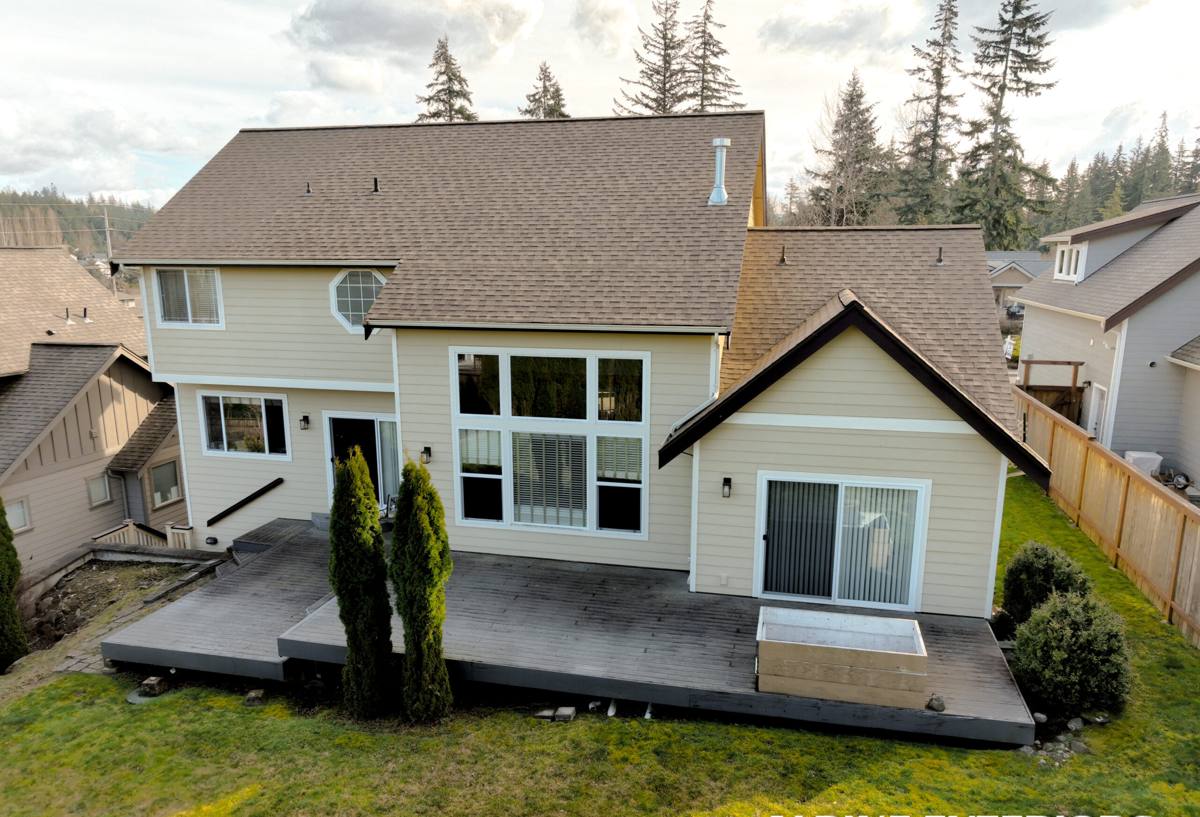
What a Custom Window Job Actually Involves
Off-the-shelf replacement windows assume a standard opening. In practice, older Countryside homes often have openings that have shifted slightly with the slab, stucco that's uneven around the frame, or existing windows that were installed with shortcuts the first time around. A custom approach means:
- Field-measuring every opening individually, not assuming they match the plans or match each other
- Selecting a frame size and mounting method that fits the actual wall condition, not a generic retrofit
- Specifying glass and impact rating based on that window's exposure — a window on the side that catches prevailing wind and rain needs different performance than a sheltered one
- Detailing flashing and sealant at each opening so water has nowhere to go but back outside
Skipping any one of these steps is how homeowners end up with a window that looks fine for a year or two and then starts leaking, fogging, or letting in more of Florida's afternoon heat than it should.
Impact-Rated vs. Standard Windows: What Florida Code Requires
Pinellas County follows the Florida Building Code, which sets wind-load and impact requirements based on the property's wind zone. For most homes in the Clearwater area, including Countryside, that means new or replacement windows generally need to meet impact standards — either impact-rated glass or an approved protective system — sized to the wind pressures for that specific house and elevation.
This isn't just a paperwork requirement. Impact-rated windows are built with laminated glass that stays intact even when struck by wind-borne debris, and the frames are engineered to stay anchored under sustained wind pressure. A correctly rated and correctly installed window is one of the more effective things a homeowner can do to protect the house during a storm, because a failed window lets wind pressure into the structure itself, which is when roofs and walls start to fail.
| Window Type | How It Handles Wind & Debris | Ongoing Homeowner Effort |
|---|---|---|
| Impact-rated (laminated glass) | Glass stays intact under impact; frame engineered for design wind pressure | None — always ready, no setup before a storm |
| Standard glass + separate shutters | Glass alone is not impact-rated; shutters must be deployed and match code | Must install/remove shutters every storm; storage and upkeep |
| Standard glass, no protection | Does not meet current code for most Pinellas County wind zones | Not a compliant option for most replacements |
We'll pull the actual wind zone and pressure requirements for your address before recommending a spec — it varies enough house to house that guessing isn't good enough.
Frame Materials That Hold Up to Salt Air and UV
Frame material matters as much as the glass. Countryside isn't beachfront, but salt air travels well inland across the Tampa Bay area, and combined with constant UV exposure, it's hard on anything low-grade. A few honest trade-offs:
Vinyl
Good value and low maintenance, but quality varies a lot between manufacturers. Cheaper vinyl can warp or discolor under sustained Florida sun over the years. We only spec vinyl products engineered for high-UV, coastal-adjacent climates — not the same vinyl sold in cooler regions.
Aluminum
Strong and slim-profile, which is why it's common in impact-rated construction. It needs a good finish to resist corrosion from salt air over time; we look for a marine-grade or equivalent coating rather than a basic mill finish.
Fiberglass and Composite
Excellent dimensional stability in heat swings and generally the most resistant to UV degradation, at a higher upfront cost. For homeowners planning to stay long-term, it's often the lowest-maintenance option over a 15-20 year horizon.
We don't push one material as universally "best" — the right call depends on your budget, the window's sun exposure, and how long you plan to be in the home. What we won't do is install a frame system that isn't rated for this climate just because it's cheaper up front; that's a decision that shows up as a callback in two or three years, and we'd rather have that conversation honestly before the job starts than after.
Glass and Energy Performance
Impact-rated laminated glass already blocks a meaningful amount of UV, which helps with fading of floors and furniture. Beyond that, Low-E coatings and the air/gas fill between panes affect how much heat gets into the house — a real cost consideration given how many months a year Clearwater homes run air conditioning. We'll walk through Low-E options and tint choices based on which direction each window faces, since a west-facing window doing the most afternoon heat gain benefits more from upgraded glass than a shaded north-facing one.
How Our Installation Process Works
- On-site assessment: We check each opening, existing frame condition, wind zone requirements for the address, and any signs of prior water intrusion.
- Custom spec and quote: Each window gets its own measurement and spec — no assuming they're interchangeable — with a written quote covering frame, glass, and installation scope.
- Permitting: We handle the permit application through Pinellas County/City of Clearwater as required, since impact window replacements typically need one.
- Removal and prep: Old windows come out, and we inspect the framing underneath for rot, rust, or water damage before anything new goes in — this step gets skipped by rushed installers and it's where problems hide.
- Installation and flashing: Proper flashing and sealant detailing around each opening is what actually keeps wind-driven rain out — the window itself is only part of the water-management system.
- Final inspection: We check operation, seal, and finish on every window before we consider the job done, and coordinate the county inspection where required.
Signs Your Current Windows Need Attention
- Fogging or condensation between panes (seal failure)
- Difficulty opening, closing, or locking
- Visible gaps, soft spots, or staining in the surrounding frame or drywall
- Noticeably higher cooling bills than similar-sized homes nearby
- Windows that predate the current Florida Building Code impact standards for your zone
- Whistling or drafts during windy conditions
Any one of these is worth a look. Several together usually means the windows are past the point where patching makes sense.
What Drives the Cost of a Custom Window Job
| Factor | Why It Matters |
|---|---|
| Number and size of openings | Larger and more numerous windows mean more material and labor |
| Frame material | Vinyl, aluminum, fiberglass, and composite all sit at different price points |
| Impact rating and wind pressure requirement | Higher-rated glass and reinforced frames cost more than minimum-code options |
| Existing frame condition | Rot or water damage found during removal adds repair work before the new window goes in |
| Glass upgrades | Low-E coatings, tints, and gas fills add cost but reduce long-term cooling bills |
| Permitting and inspection | Required for most impact window replacements in the county, and built into the timeline and price |
We give a written, itemized quote so you can see where the money is going rather than a single lump number — that way you can adjust material or glass choices to fit your budget without guessing at the trade-offs.
Why It Matters to Hire a Crew That Already Works Countryside
Window installation is one of those jobs where the difference between "looks fine" and "actually performs" isn't visible until the first bad storm or the first humid summer. A crew that regularly works in Countryside and the surrounding Clearwater area already knows the wind zone requirements for these neighborhoods, has already dealt with the stucco and framing quirks common to homes built in this area's various construction eras, and understands what actually happens to a window here after five Florida summers — not just what the spec sheet promises.
That local familiarity also means faster, more accurate quotes, because we're not learning the permitting process or the typical opening conditions for the first time on your job. It's a smaller thing than the glass or the frame, but it adds up to fewer surprises during the install and a better chance the window still performs the way it should years down the road.
Getting Started
If your current windows are original to the house, showing wear, or you're just ready for something built properly for this climate, we're happy to come take a look. We offer a free, no-pressure estimate — we'll assess your openings, walk through material and glass options that make sense for your home's exposure, and give you a straightforward, itemized quote. Use the form below to get started.