 Clearwater Roofing
 Building Decks in Del Oro That Actually Hold Up
Del Oro is a residential pocket of Clearwater, and like the rest of Pinellas County it sits close enough to the Gulf that "coastal conditions" isn't a marketing phrase — it's the reality your deck has to survive every single day. Hurricane-force wind gusts, sun that beats down nearly year-round, wind-driven rain that finds every gap in a fastener or flashing detail, and salt-laden air that corrodes anything not rated for it. A deck built the way it would be built in Ohio or inland Georgia does not last here. A deck built for this specific stretch of coastline does.
This page is about one job in one area: deck building for Del Oro homeowners in Clearwater. Not a generic overview of decks everywhere — the actual decisions that matter when the structure you're building has to take on Gulf Coast weather starting the week it's finished.
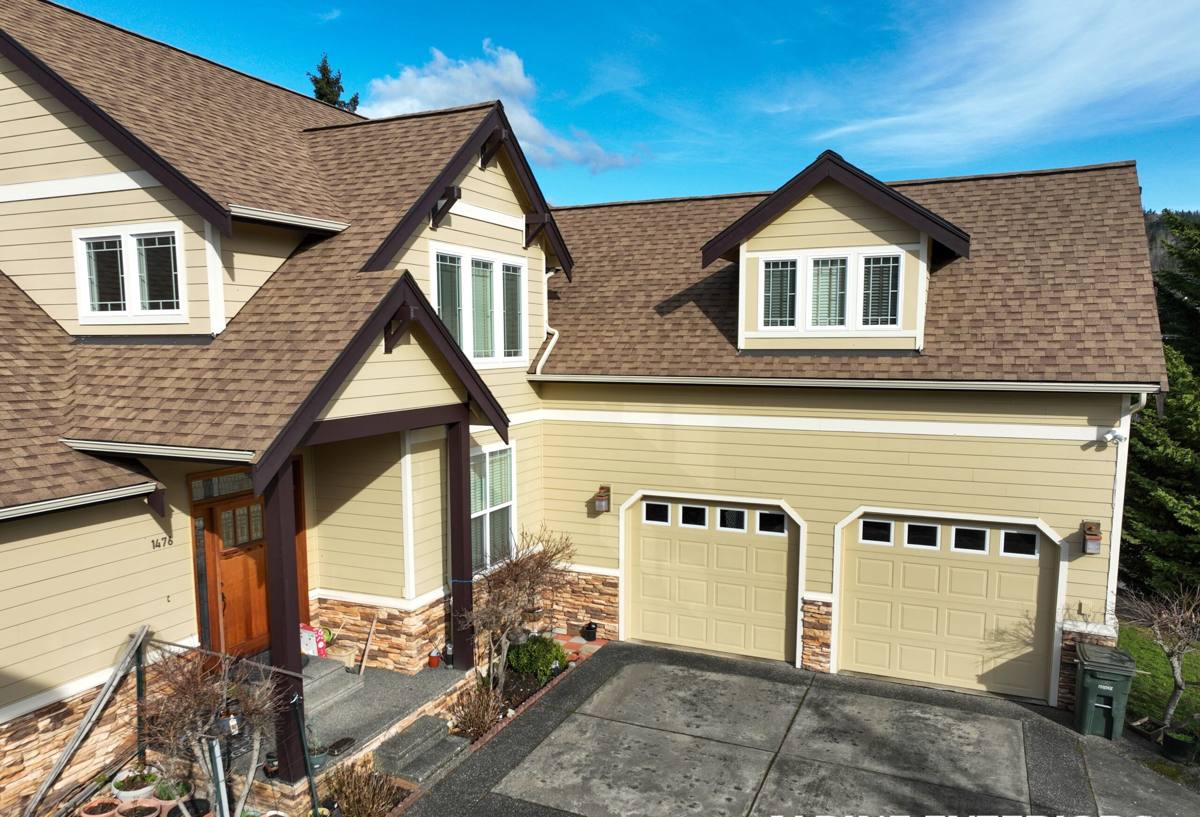
What Clearwater's Climate Does to a Deck Over Time
Before any material or design choice, it helps to understand the specific stresses a Del Oro deck is up against, because every recommendation below traces back to one of these:
- Wind uplift and racking: Sustained coastal winds and the occasional hurricane put lateral and uplift forces on a deck structure that inland decks rarely see. Ledger attachment, post connections, and railing anchoring all need to be built to resist that, not just support foot traffic.
- UV exposure: Florida sun is intense almost year-round. Untreated or poorly finished wood grays, cups, and splinters faster here than in most of the country. Composite and PVC boards vary a lot in how well their color and surface hold up under constant UV — this matters more in Clearwater than it does in a lot of the country.
- Wind-driven rain: Rain here doesn't just fall — it's frequently pushed sideways by storm systems, which drives water into joints, fastener holes, and ledger connections that would stay dry in a calmer climate. Flashing and gapping details that are "optional" elsewhere are not optional here.
- Salt air corrosion: Even a few miles inland from the water, salt in the air accelerates corrosion on fasteners, brackets, and hardware. Standard hardware-store fasteners can start showing rust streaks and weakening within a couple of seasons in this environment.
- Humidity and moisture cycling: Florida's humidity keeps wood decks damp longer after rain than drier climates do, which speeds up rot at connection points if drainage and airflow underneath the deck aren't planned for.
Choosing Decking Material for a Del Oro Home
There's no single "best" decking material — there's a best fit for your budget, how the deck will be used, and how much upkeep you're willing to do. Here's how the common options actually compare under Clearwater conditions:
| Material | Upfront Cost | Coastal Durability | Maintenance | Notes |
|---|---|---|---|---|
| Pressure-treated pine | Lowest | Fair — needs consistent sealing | High — annual cleaning/resealing | Most budget-friendly, but UV and humidity here will show on it fastest if upkeep slips |
| Tropical hardwood (e.g. ipe) | High | Very good when properly finished | Moderate — periodic oiling to hold color | Dense and naturally resistant to rot and insects, but installation is sensitive — pre-drilling and proper fastening matter a lot |
| Capped composite | Mid-High | Very good | Low — occasional washing | Cap layer resists UV fading and moisture far better than early-generation composite; quality varies by brand and product line |
| PVC / cellular decking | High | Excellent | Lowest | Fully synthetic, doesn't absorb moisture, handles humidity and salt air well, but installation sensitivity to heat expansion needs to be accounted for |
For a lot of Del Oro homeowners, capped composite or PVC ends up being the better long-term value even though the upfront number is higher, simply because the maintenance burden of wood in this climate — sanding, resealing, chasing splinters and graying — adds up in both cost and time. That said, we've built plenty of hardwood decks that hold up beautifully when the finish schedule is kept up. The right call depends on how honest you are with yourself about maintenance follow-through.
Fasteners and Hardware Matter as Much as the Boards
We consistently see decks fail at the hardware before the decking itself gives out. In a salt-air environment, that means stainless steel or coated fasteners rated for coastal/marine exposure, hot-dip galvanized structural connectors (not electroplated), and hidden fastening systems that are actually rated for the board material being used. Cutting corners here is the single most common reason a deck that "looked fine" starts showing rust bleed and loose connections within a few years.
Framing and Structure: Built for Wind, Not Just Weight
A deck's structure has to do two jobs: hold up people and furniture, and stay attached to the house and ground when wind tries to lift, twist, or push it. In a hurricane-exposed area like Clearwater, that second job gets equal attention from us:
- Ledger board attachment to the house structure, properly flashed to keep wind-driven rain from tracking behind it and into the wall assembly
- Post-to-footing and post-to-beam connections rated for uplift, not just downward load
- Joist hangers and structural connectors in corrosion-resistant hardware appropriate for coastal exposure
- Railing posts anchored to resist lateral wind load, since railings catch a lot of wind on an open deck
- Footing depth and sizing that accounts for local soil conditions, not a one-size-fits-all minimum
None of this is visible once the deck is finished — it's the part of the job that determines whether the deck is still solid in five or fifteen years, especially after it's been through a storm season or two.
Our Deck Building Process
We keep the process straightforward and communicate clearly at each stage:
- On-site assessment: We look at your home's existing structure, the site's drainage and grade, sun exposure, and how you want to use the space, then talk through material options honestly — including trade-offs, not just upsells.
- Design and layout: We plan size, shape, railing style, and stair placement around how your household actually uses the yard, not just what looks good on paper.
- Permitting: We handle the permit application and coordinate required inspections with the local building department so you don't have to chase paperwork.
- Framing and structural build: This is where the wind-rated connections, proper flashing, and corrosion-resistant hardware get built in — the part that matters most long-term.
- Decking, railing, and finish work: Boards, railings, stairs, and any lighting or finish details go in with attention to fastening method and expansion gaps appropriate to the material.
- Final walkthrough and inspection sign-off: We walk the finished deck with you, confirm everything meets code, and make sure you know what maintenance (if any) the material requires going forward.
Permitting and Code in Pinellas County
Deck construction in Clearwater and throughout Pinellas County requires a building permit and inspections — this isn't optional paperwork, it's what confirms the structure was actually built to withstand local wind loads. An unpermitted deck can create real problems at resale, with insurance claims after storm damage, and with liability if something fails. Part of what a local crew brings is a working relationship with how the local permitting and inspection process actually runs, so the project doesn't stall waiting on paperwork nobody explained clearly upfront.
Maintenance: What to Expect After the Build
Maintenance needs depend heavily on the material you choose, but every deck in this climate needs some seasonal attention:
- Rinse off salt residue, pollen, and debris periodically — buildup traps moisture against the surface
- Check railing posts and stair connections annually for looseness, especially after storm season
- Wood and hardwood decks need resealing or oiling on a regular schedule to hold their finish against the sun
- Composite and PVC decks need far less upkeep but still benefit from an occasional wash to prevent mildew in shaded, humid spots
- Keep an eye on the underside and framing where visible — that's usually where moisture problems show up first, before they're visible from the top
Why a Crew That Works Del Oro Already Matters
A deck built by a crew that already works in and around Del Oro isn't guessing at what this environment does to a structure — they've seen it firsthand, on decks in this same neighborhood, through actual storm seasons. That familiarity shows up in small decisions that add up: which hardware actually holds up here, how deep footings need to go for local soil, and what flashing details keep wind-driven rain from finding its way into a ledger connection. It also means faster response if you ever need a follow-up visit, rather than waiting on a crew that has to drive in from another part of the region.
Questions Worth Asking Before You Hire
- Are you licensed and insured to build decks in Pinellas County?
- Will you handle the permit and coordinate inspections, or is that on me?
- What fastener and hardware grade do you use, and is it rated for coastal/salt-air exposure?
- How are you addressing wind uplift at the post and railing connections?
- What does the maintenance schedule look like for the material we choose?
- Can you walk me through the warranty on both materials and labor?
Get a Free Estimate for Your Del Oro Deck
If you're planning a new deck or replacing one that's showing its age in Clearwater's climate, we're glad to come take a look and give you an honest, no-pressure estimate — including a straight answer on which material and structural approach makes sense for your home and budget. Use the form below to get started.