 Clearwater Roofing
 Decking in Del Oro Faces a Tougher Climate Than Most of the Country
Homes in and around Del Oro sit close enough to the Gulf that outdoor structures take a real beating over time. It isn't one thing — it's the combination. Intense, near year-round UV breaks down wood fibers and fades finishes faster than in most of the country. Wind-driven rain during summer storms drives moisture into joints, fasteners, and end grain that a lot of decking materials simply can't shed fast enough. Salt-laden air corrodes hardware that would last decades somewhere inland. And when a named storm brings hurricane-force gusts through Pinellas County, a deck's framing, railings, and attachment points get tested in ways a quiet backyard deck up north never will be.
Composite decking was developed largely to answer these exact problems, but "composite" isn't one product — it's a category with a wide range of quality, and the way it's installed matters just as much as the material itself. This page covers what Del Oro homeowners actually need to know before replacing a tired wood deck or building a new one.
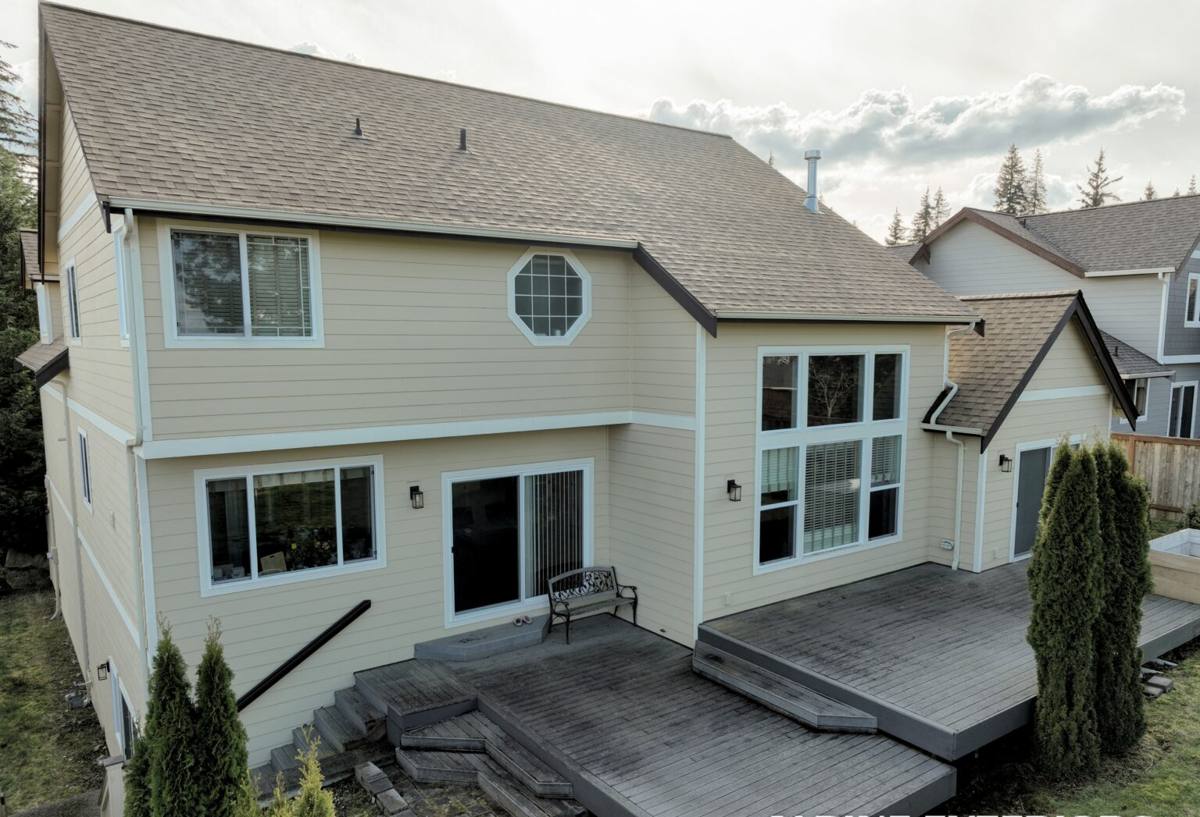
Why Composite Decking Makes Sense for This Climate
Moisture and Rot Resistance
Traditional wood decking relies on surface sealants to keep water out, and those sealants need to be reapplied on a schedule most homeowners don't keep up with. Once a sealant fails, humidity and wind-driven rain get into the wood, and rot, cupping, and splintering follow. Composite boards are made from a blend of wood fiber and plastic (capped composites add a protective outer shell), which means moisture doesn't penetrate the board the same way. That matters a lot here, where the air itself carries more moisture on an average day than it does in drier climates.
UV and Fade Resistance
Sun exposure this intense will fade or chalk almost any painted or stained surface within a few years. Quality composite boards are engineered with UV inhibitors and color that runs through the material or is baked into a protective cap, so they hold their color and resist surface degradation far longer than a stained wood deck exposed to the same sun.
Low Maintenance Without Giving Up the Look
No sanding, staining, or sealing on a recurring schedule. Composite decking still needs to be cleaned periodically, but it doesn't demand the annual upkeep wood does — which matters for homeowners who want their weekends back, not another exterior maintenance chore tied to hurricane season prep.
What a Correct Composite Deck Installation Actually Involves
The board itself is only part of the equation. A composite deck is only as good as what's underneath it and how it's fastened together — and in a climate like this, cutting corners on the substructure shows up fast.
Framing and Substructure
Pressure-treated or, where budget allows, composite/aluminum substructure resists rot and insect damage better than untreated framing. Joist spacing needs to match the manufacturer's specifications for composite boards, which often differ from standard wood-decking spacing — composite has different flex characteristics than solid wood, and getting the spacing wrong leads to bounce or long-term sagging.
Fasteners and Hardware
Salt air corrodes standard fasteners faster than most homeowners expect. Stainless steel or coated, corrosion-rated hardware isn't an upsell — it's the difference between hardware that lasts and hardware that stains the boards or fails early. Hidden fastener systems, when used, need to be rated for the specific board profile being installed.
Ventilation and Drainage
Composite boards handle moisture better than wood, but the space underneath the deck still needs to drain and breathe. Poor ventilation traps humidity against the underside of the boards and framing, which can lead to mold and mildew on the substructure even when the decking itself is holding up fine. Proper slope and airflow at ground level are part of a correct install, not an afterthought.
Composite Decking Options and What Drives the Cost
Composite decking spans a wide price and quality range. The table below breaks down the main factors that separate entry-level composite from higher-end capped composite, so you know what you're actually paying for.
| Factor | Entry-Level Composite | Capped Composite |
|---|---|---|
| Moisture resistance | Good, but uncapped edges can absorb water over time | Better — a protective cap shields the full board profile |
| Fade resistance | Moderate; color can dull with years of Florida sun | Stronger UV protection built into the cap layer |
| Stain/scratch resistance | Lower — more prone to surface marking | Higher — cap layer resists staining and scuffing |
| Warranty length | Typically shorter | Typically longer, reflecting the added protection |
| Upfront cost | Lower | Higher, but often lower cost over the life of the deck |
Beyond the board itself, cost is driven by deck size and layout complexity, substructure material (wood versus composite/aluminum framing), railing style, stair count, and any add-ons like built-in lighting or picture-frame border boards. We walk through these trade-offs with every homeowner so the estimate reflects real choices, not guesswork.
Our Process for Del Oro Composite Decking Projects
- On-site assessment. We look at the existing structure (if replacing a deck), ledger attachment, drainage, sun exposure, and any storm or moisture damage before recommending a scope of work.
- Material and layout walkthrough. We go over board options, railing systems, and layout so you understand the trade-offs before committing to a quote.
- Permitting. We handle the permit application and inspection scheduling required for the project — see the section below on why this matters in Pinellas County.
- Demolition and substructure work. Old decking is removed and framing is repaired or rebuilt to current spec, including corrosion-rated hardware and proper joist spacing for composite boards.
- Installation. Boards, railings, and fascia are installed per manufacturer specification, including expansion gaps that composite materials need to handle temperature swings.
- Final walkthrough. We check the deck with you before calling the job complete — fastener finish, railing stability, drainage, and overall fit and finish.
Permitting and Code Considerations for Pinellas County Decks
Most new decks and many deck replacements in Pinellas County require a building permit, along with inspections tied to wind load and structural attachment — not just a formality, given how seriously local codes take wind resistance after storm seasons. Railing height and baluster spacing are also governed by code, particularly for elevated decks. Skipping permitting to save time is a common shortcut that can turn into a real problem at resale, when an uninspected deck shows up as an issue during a buyer's inspection. We pull the required permits as part of the job so you're not left sorting that out later.
Caring for a Composite Deck in Del Oro's Climate
Composite decking is low-maintenance, not no-maintenance. A short seasonal routine keeps it looking good and prevents the few issues that do come up in this climate:
- Sweep off leaves, pollen, and debris regularly so organic material doesn't sit and hold moisture against the boards
- Wash the deck surface a few times a year with mild soap and water to prevent mildew film, which shows up faster in humid coastal air
- Rinse salt residue off the surface and railings periodically, especially after storms with onshore wind
- Check railing posts and stair connections annually for looseness — hardware can shift slightly after big wind events
- Confirm gaps around the deck perimeter and under railing posts stay clear so water keeps draining as designed
- After any named storm, do a quick visual check of fasteners, railings, and the ledger board attachment to the house
Why Hiring a Crew That Already Works in Del Oro Matters
A deck built to a generic national spec doesn't always hold up to what this specific area sees — the combination of salt air, sun intensity, and storm wind loads is more demanding than most parts of the country plan for by default. A crew that regularly works in and around Clearwater knows which hardware actually holds up here, how local permitting and inspection process works, and what wind and drainage details matter for this specific stretch of coast. That local familiarity shows up in fewer surprises during the project and a deck that's genuinely built for where it sits, not just built to a minimum standard somewhere else would consider acceptable.
If you're weighing a new composite deck or replacing an aging wood one in Del Oro, we're happy to take a look and give you a straightforward, no-pressure estimate — just fill out the form below and we'll follow up to schedule a time.