 Clearwater Roofing
 Siding Repair for Del Oro Homes
Del Oro is one of the many established residential pockets that make up Clearwater, and like most Pinellas County neighborhoods, it sits close enough to open water and the Gulf that its homes take a harder beating than siding was ever designed for further inland. Roofs get replaced on a predictable schedule. Siding damage is sneakier — it shows up as a cracked corner, a soft spot under a window, or a section that's faded three shades lighter than the rest of the wall, and homeowners often live with it for years before calling anyone. By the time it's obvious, there's usually more going on behind the surface than the visible damage suggests.
This page is about doing siding repair correctly for homes in the Del Oro area — what causes the damage in the first place, what a proper repair actually involves, and when a "repair" isn't the right answer at all.
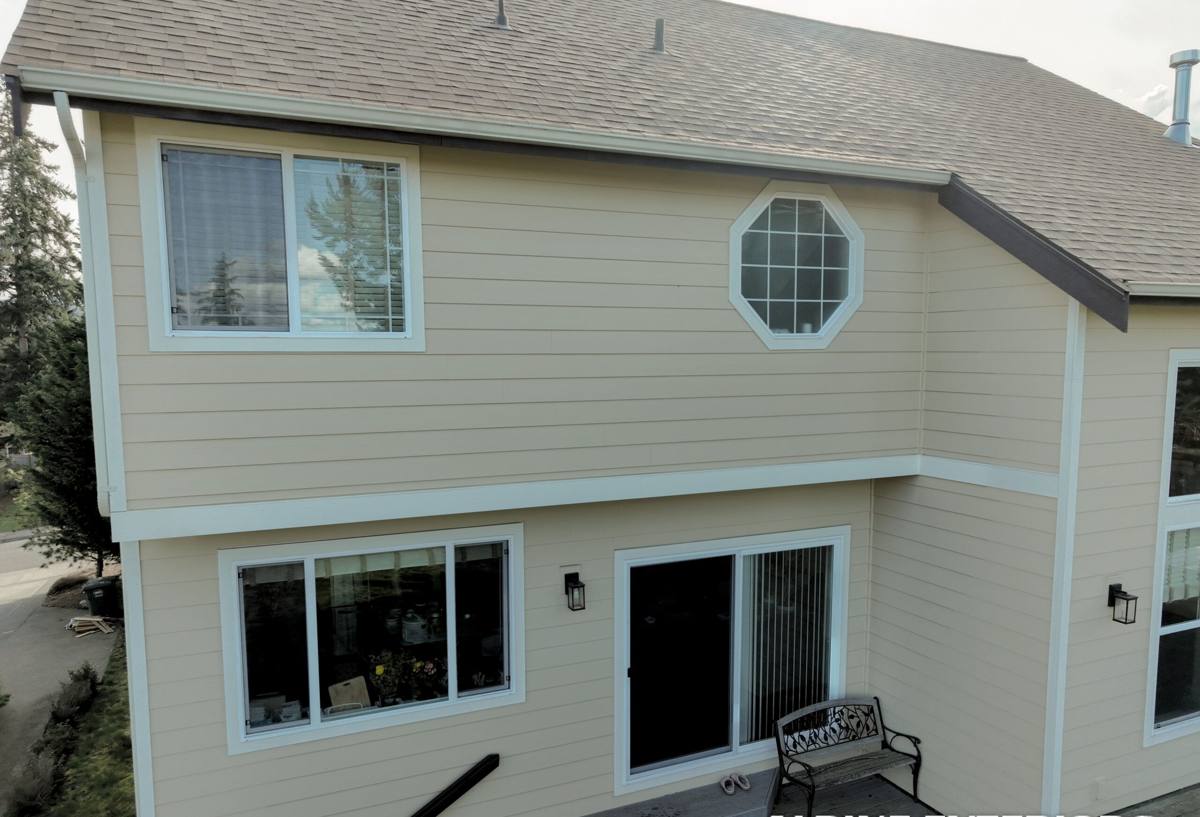
What Clearwater's Climate Does to Siding
Every siding repair call we take in this area traces back to some combination of the same four stressors:
- Hurricane-force wind: Even storms that don't make landfall directly on Pinellas County send sustained wind and gusts through the area every season. Wind gets under loose panels, works fasteners free, and turns small gaps into leverage points that peel siding away from the wall.
- Year-round UV exposure: Florida's sun angle and day count mean siding here absorbs far more cumulative UV than the same product would in most other states. Paint chalks, caulk goes brittle, and lesser materials warp or delaminate well ahead of their rated lifespan.
- Wind-driven rain: Rain that comes in sideways during a squall doesn't behave like rain falling straight down. It finds horizontal laps, unsealed cut edges, and butt joints that were never meant to shed water from that angle, and it drives moisture behind the siding rather than off of it.
- Salt air: Even a few miles inland from the Gulf, airborne salt accelerates corrosion on fasteners, flashing, and any exposed metal trim — which is often the real reason a repair that looks cosmetic turns out to have a rusted-through nail or J-channel underneath.
None of that is unique to Del Oro specifically, but it's the reality every home in this part of Clearwater is living with, and it's why we don't treat siding repair as a cosmetic patch job.
Signs Your Siding Needs Attention
Most homeowners in the Del Oro area first notice a problem visually, but the visible sign and the actual damage aren't always in the same spot. Here's what we tell people to watch for:
- Cracked, split, or missing panels, especially near corners and around windows
- Boards or panels that flex, feel soft, or bounce when pressed
- Bubbling, peeling, or bulging paint — a strong sign of moisture trapped behind the surface
- Visible gaps at seams, butt joints, or where siding meets trim
- Warping or waviness across a wall section, especially on the sides that catch the most afternoon sun or storm wind
- Dark streaking, soft drywall, or a musty smell on the interior side of an exterior wall
- Rust staining below nail heads or trim pieces
- A section of siding that's visibly faded or a different shade than the rest of the wall
Any one of these on its own might be minor. Two or three together, especially on the same wall, usually mean the damage started earlier than the crack you can see.
What a Correct Repair Actually Involves
Diagnosis Before Demo
A repair that starts by pulling the damaged piece off and nailing up a new one, without checking what's underneath, is a repair that comes back. We start every job by finding out how far the damage goes — whether the sheathing behind the siding is still sound, whether the house wrap or moisture barrier is intact, and whether the damage is isolated or a symptom of a bigger flashing or drainage problem.
Matching Materials, Not Guessing
If the existing siding is still a viable product, we repair with matching material and matching fastening patterns so the fix doesn't stand out or perform differently than the surrounding wall. If the existing product is one we don't install — vinyl, LP SmartSide, cedar, or primed spruce, for example — we'll tell you plainly what we're seeing and what your real options are, rather than patching a product we don't stand behind long-term.
Sealing and Flashing Details
Most siding failures in this climate come down to water finding one bad seam and wind giving it somewhere to go. Correct repair work means re-flashing around windows and penetrations, replacing any compromised house wrap, and sealing butt joints and laps the way the manufacturer's install spec requires — not just caulking over the visible gap.
Fastening for Wind
Given the wind loads this area sees, fastener spacing and type matter as much as the siding material itself. We fasten repaired sections to the same wind-resistance standard as new installation, not to a lighter "it's just a patch" standard.
Repair or Replacement: How We Help You Decide
Not every damaged section is worth repairing, and not every repair call turns into a sales pitch for a full replacement — sometimes a targeted fix is genuinely the right call. Here's how we walk through that decision with homeowners:
| Factor | Favors Repair | Favors Replacement |
|---|---|---|
| Extent of damage | Isolated to one or two sections | Spread across multiple walls or elevations |
| Underlying sheathing/wrap | Dry and sound | Soft, stained, or showing rot |
| Age of existing siding | Still well within its service life | Near or past its expected lifespan |
| Product type | Matching material available and sound | Product is one we don't install, or is discontinued/unmatched |
| Fade/color match | Repaired section won't stand out | Existing color has faded enough that any patch will visibly mismatch |
| Storm history | Single isolated event | Repeated wind or water damage in the same area |
We'll always give you the honest read on which column your home falls into — including telling you when a repair is the smarter, cheaper, perfectly reasonable choice.
Our Process for Del Oro Homes
- On-site inspection: We look at the damaged area and the wall as a whole, including trim, flashing, and any interior signs of moisture.
- Honest diagnosis: You get a plain explanation of what's causing the damage, not just what's visible.
- Written scope and estimate: What we'll repair, what materials we'll use, and what it costs — no surprise change orders for anything we could have caught up front.
- The repair itself: Removal of damaged material, inspection and correction of what's underneath, proper flashing and sealing, and matched or upgraded siding installed to spec.
- Cleanup and walkthrough: We don't consider the job done until you've seen the finished repair and are satisfied it blends in and holds up.
Why We Rebuild Damaged Sections in James Hardie
When a repair calls for replacing more than a small patch — or when the existing product isn't one we can stand behind — we rebuild that section in James Hardie fiber cement rather than matching a material we wouldn't install fresh. Hardie is non-combustible, engineered for high-humidity, high-UV climates through its HZ5 product line, and finished with a factory-applied ColorPlus finish that resists the fading Florida sun causes on field-painted materials. It also carries a strong transferable warranty, which matters if part of your home's siding is under a different product's much shorter or more limited coverage.
This is also, honestly, one of the reasons we push back on patch-only repairs of vinyl, LP SmartSide, or bare wood siding: those products age, fade, and fail in ways that make future matching harder every year. A Hardie repair today matches better, ages more predictably, and gives you a real path to eventually bringing the whole exterior onto one system instead of an accumulating patchwork of materials and touch-up paint.
Getting a Color Match Right
Because ColorPlus finishes are baked on at the factory rather than field-painted, matching an addition to existing Hardie siding is more predictable than matching a field-painted product — but it still depends on how long the existing siding has been up and how much it's faded. We'll always tell you upfront if an exact match is realistic or if the repaired section will read as slightly newer until the whole wall weathers evenly.
Why a Crew That Already Works This Area Matters
Siding repair in coastal Pinellas County isn't the same trade as siding repair in a landlocked climate. A crew that works Clearwater neighborhoods regularly already knows how wind-driven rain behaves against a typical wall assembly here, what salt air does to fasteners over a few years, and what correct flashing looks like around the window and door details common to homes of this area's vintage. That local repetition is what keeps a repair from becoming a callback. It also means we're not learning your neighborhood's permitting requirements or HOA architectural guidelines, if your community has them, on your dime — we already know what to check before work starts.
Keeping Repaired Siding Sound Going Forward
A good repair should be close to the last time that section of your home needs attention. A few habits help:
- Walk your home's exterior after any significant storm and look for lifted panels, new gaps, or debris damage
- Keep gutters and downspouts clear so water isn't sheeting down the wall face
- Trim vegetation back from siding to reduce trapped moisture and abrasion
- Address small cracks or gaps promptly — they're cheap to fix small and expensive to fix once water gets behind them
- Have caulking and sealant at joints and trim checked every couple of years, since Florida UV breaks it down faster than in milder climates
If you're seeing cracked, soft, faded, or gapped siding on your Del Oro area home, we're happy to take a look and give you an honest read on what's going on — no pressure, no obligation. Fill out the form below for a free estimate.