 Clearwater Roofing
 Deck Building in Downtown Clearwater
Downtown Clearwater sits close enough to the water that every deck built here has to answer to the same conditions: salt-laden air, intense UV exposure nearly year-round, sudden wind-driven rain, and the occasional hurricane-force gust. A deck that would hold up fine in a drier, cooler climate can start showing problems within a few seasons here — fasteners corroding, boards cupping, railings loosening. Building a deck correctly in this part of Pinellas County means designing and installing for those realities from day one, not treating them as an afterthought.
We work Downtown Clearwater regularly, which means we're familiar with the lot sizes, the mix of older homes and newer infill construction, and the permitting expectations that come with building in this part of the city. That familiarity matters more than it might seem — a crew that's building its first deck in this specific area is learning on your project. We'd rather bring what we already know.
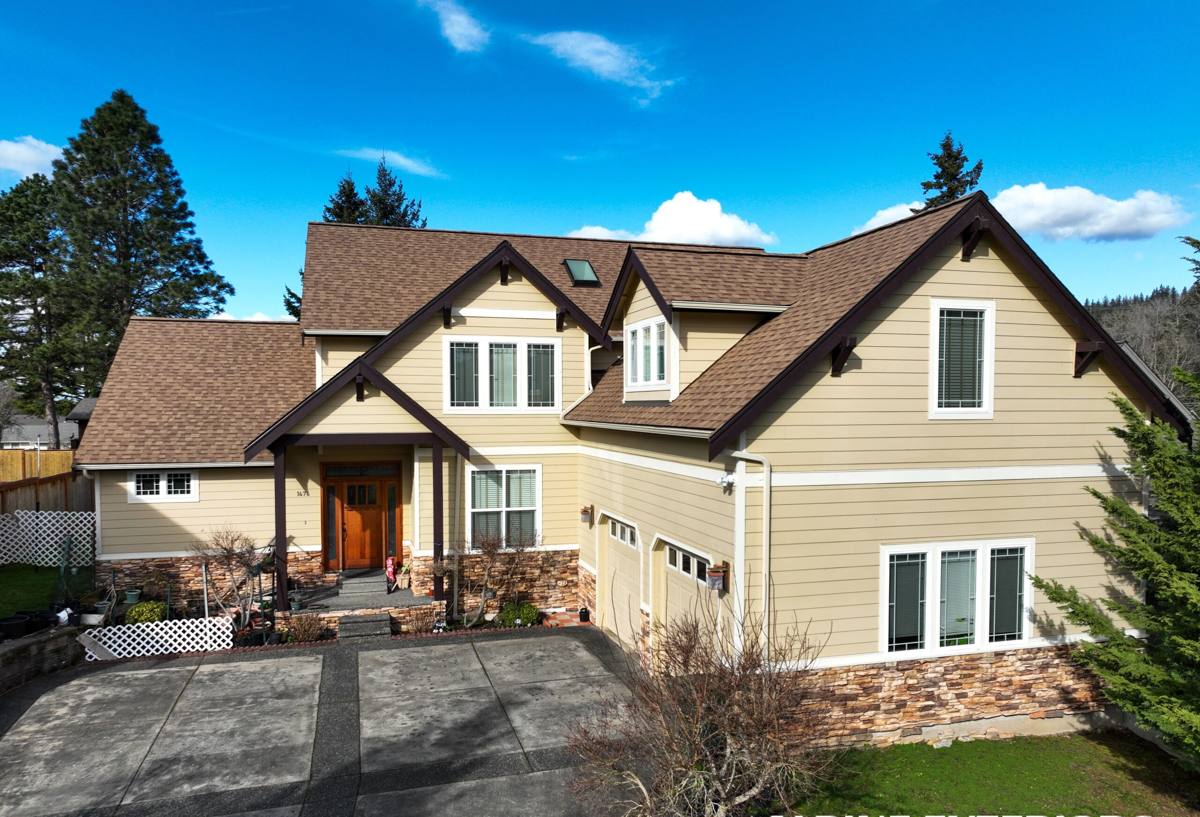
What This Climate Does to a Deck Over Time
Before getting into materials and process, it's worth being honest about what a deck in this area is actually up against:
- UV exposure: Florida sun is relentless on exposed wood and composite surfaces. Untreated or poorly finished wood grays and checks quickly; even quality composites need UV-stable formulations to resist fading.
- Salt air: Proximity to the Gulf means airborne salt accelerates corrosion on any exposed metal — screws, brackets, joist hangers, railing hardware. Standard hardware store fasteners are often not rated for this environment.
- Wind-driven rain: Storms here don't just drop rain straight down. Wind pushes moisture into ledger connections, under railings, and into any gap in flashing or fastening that wasn't sealed correctly.
- Hurricane-force wind loads: Deck structures, railings, and especially ledger board attachments to the house need to be engineered to hold up under real wind events, not just everyday use.
- Humidity and moisture cycling: Constant wet-dry cycling stresses wood fibers and fastener connections differently than a drier climate — it's a big reason decks fail at the joints before the boards themselves give out.
None of this means a deck can't last for decades here. It means the build has to account for these stressors specifically, rather than following a generic template.
Getting the Structure Right
Ledger Attachment
The connection between the deck and the house — the ledger board — is the single most safety-critical part of most deck builds. It has to be properly flashed to keep water out of the house's wall assembly, and it has to be fastened with lag screws or through-bolts rated for the load and spaced correctly. This is also the connection most likely to fail during a wind event if it wasn't done to code, so it's not a place to cut corners or guess.
Footings and Framing
Footing depth and post spacing need to match both the soil conditions typical of this area and current Florida Building Code wind requirements for Pinellas County. Joists and beams should be sized for the actual span and load, not just "what looks about right." We also pay attention to joist hanger and connector selection here specifically — stainless steel or heavy hot-dip galvanized hardware is worth the extra cost near the coast, where standard zinc-coated fasteners can start corroding within a few years.
Ventilation Underneath
Trapped moisture under a low deck is a common source of long-term structural problems in humid climates. Proper spacing and grading underneath helps the structure dry out between rain events instead of staying damp.
Choosing Decking Material for This Environment
There's no single "best" decking material — the right choice depends on budget, maintenance tolerance, and how the space will be used. Here's how the common options actually perform in a hot, humid, salt-air climate like Downtown Clearwater's:
| Material | Sun & Heat Performance | Moisture & Salt Resistance | Maintenance |
|---|---|---|---|
| Pressure-treated pine | Fades and can check/splinter without regular sealing | Decent if maintained; needs re-sealing on a schedule | Highest — annual cleaning and periodic sealing |
| Composite decking | Good with UV-stable formulations; can retain heat underfoot | Strong resistance to rot and salt-driven decay | Low — periodic cleaning, no sealing/staining |
| Tropical hardwoods (e.g., ipe) | Naturally dense and UV-tolerant, but will gray without oiling | Naturally resistant to rot and insects | Moderate — periodic oiling to maintain color |
| PVC decking | Very good UV stability, stays cooler than dark composites in some lines | Excellent — doesn't absorb moisture | Low |
We'll walk through these trade-offs honestly based on your budget and how you plan to use the deck — a rarely used side deck has different priorities than a main outdoor living space that gets daily use.
Hardware and Fasteners: The Part Homeowners Don't See
This is where a lot of decks quietly fail years before the visible boards do. In a coastal-influenced climate, we treat hardware selection as a first-class decision, not an afterthought:
- Stainless steel or coated fasteners rated for coastal/ACQ-treated lumber use, so they don't corrode or react with treated wood chemicals
- Hidden fastening systems where appropriate, which also reduce the number of exposed metal points that can corrode and streak the decking
- Joist hangers and structural connectors rated for the wind and moisture exposure specific to this area
- Proper flashing tape at the ledger and any other wood-to-wood or wood-to-masonry connection point
Cutting cost on hardware is one of the most common ways a deck ends up needing early repairs — the wood might look fine while the connections underneath are already corroding.
Railings, Stairs, and Code Compliance
Railings need to meet Florida Building Code height and baluster spacing requirements, and in wind-prone areas, the railing posts need to be attached with the same care as the rest of the structure — a railing that comes loose is both a liability and a real safety hazard during storms. Stair stringers, tread spacing, and landing requirements also have to meet code, and permitted decks need final inspection sign-off before they're considered complete.
Our Process for a Downtown Clearwater Deck Project
- On-site assessment: We look at your existing structure (if replacing a deck), the house's ledger attachment point, drainage and grading, sun exposure, and how you intend to use the space.
- Design and material selection: We talk through decking material, railing style, and layout options with honest trade-offs — no upselling toward whatever has the best margin.
- Permitting: We handle the permit application and ensure the design meets current Florida Building Code wind and structural requirements for this area.
- Demolition (if applicable): Old decking, damaged framing, and any compromised hardware are removed and evaluated before new construction starts.
- Framing and structural work: Footings, posts, beams, joists, and the ledger connection are built to code, with corrosion-resistant hardware throughout.
- Decking, railing, and stairs installed: Final surfaces go on last, with attention to fastener spacing, expansion gaps for composite/PVC materials, and clean railing/post connections.
- Final walkthrough and inspection: We review the finished deck with you and coordinate final permit inspection so everything is documented and code-compliant.
A Practical Pre-Build Checklist
If you're planning a deck project in this area, these are worth thinking through before you get quotes:
- Is this a replacement or new build? Replacements often reveal ledger or framing issues that need addressing regardless of the new decking material chosen.
- How much direct sun does the space get? This affects both material heat retention and how quickly finishes/colors fade.
- What's your maintenance appetite — annual sealing, periodic oiling, or low-maintenance cleaning only?
- Will the deck need to support anything heavy — a hot tub, large planters, an outdoor kitchen? This changes the structural engineering.
- Do you know your property's setback and permitting requirements, or do you need that handled for you?
- Is there existing drainage or grading trouble under or near where the deck will sit?
Why a Local, Established Crew Matters Here
Deck building isn't unique to Downtown Clearwater — but building one that actually holds up under Pinellas County's combination of intense UV, salt air, wind-driven rain, and hurricane-force wind risk takes more than a generic build. A crew that regularly works this specific area already knows which hardware grades hold up, how local permitting and inspection expectations run, and what kind of structural detailing this climate actually demands over time. That's the difference between a deck that needs attention again in a few years and one that's still solid a decade from now.
If you're considering a new deck or need to replace an aging one in Downtown Clearwater, we're happy to take a look and give you a straightforward, no-pressure estimate — just fill out the form below.