 Clearwater Roofing
 Why Downtown Clearwater's Climate Puts Real Demands on a Roof
A roof in Downtown Clearwater works harder than a roof almost anywhere inland. It sits close enough to the water that salt air is a constant presence on fasteners, flashing, and any metal that isn't rated for a coastal environment. It takes a direct dose of Florida sun nearly every day of the year, which breaks down lesser roofing materials faster than most homeowners expect. And it has to be ready, every single hurricane season, for wind-driven rain and gusts that push water sideways and upward under anything that isn't properly sealed and fastened. None of these are hypothetical concerns for Pinellas County — they're the baseline conditions any roof here has to handle, year after year.
Metal roofing, done correctly, is one of the better answers to that combination. It doesn't absorb water the way organic shingle materials can, it holds up to UV exposure without the granule loss and brittleness that shorten an asphalt roof's life, and a properly engineered metal system can be fastened and sealed to resist high wind uplift far better than most alternatives. The key phrase there is "done correctly" — metal roofing is unforgiving of shortcuts in a way that asphalt shingles often aren't, and in a coastal, high-wind, high-UV market like Clearwater, the margin for error is even smaller.
What Makes Downtown Clearwater Homes Different
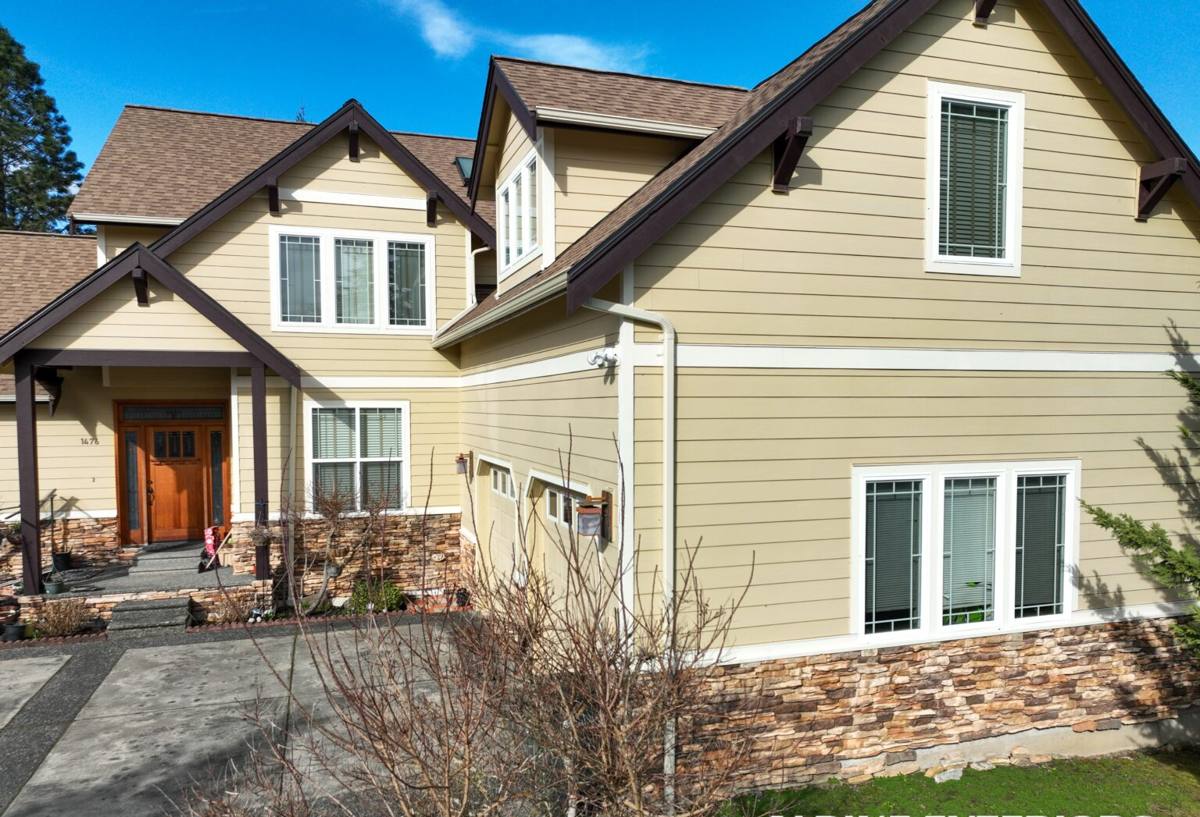
Downtown Clearwater includes a real mix of housing stock — older homes with roof decks and framing that have seen decades of Florida weather, alongside newer construction and remodeled properties. That mix matters when we're talking about a metal roof, because the roof deck underneath the metal has to be sound before anything else happens. An older home may need deck repair or replacement in spots where past leaks or age have taken a toll. A newer home may already be close to code-current but still needs the transition details — where the roof meets walls, chimneys, dormers, or lower-slope sections — done right for this specific climate.
Homes closer to the water also see faster corrosion on unprotected metal, more UV degradation on exposed sealants, and more wind exposure overall. That doesn't mean every Downtown Clearwater home needs the same spec sheet, but it does mean the starting assumptions are different than they'd be for a roof going on twenty miles inland. We look at each roof's actual exposure, deck condition, and existing structure before recommending a system, rather than defaulting to a one-size answer.
Choosing the Right Metal System for This Setting
"Metal roofing" isn't one product — it's a category, and the right choice for a Downtown Clearwater home depends on the roof's slope, the home's style, and the budget. Here's how the common options actually compare for this climate.
Standing Seam Panels
Standing seam is the metal roofing most people picture — long panels with raised, interlocking seams and no exposed fasteners on the field of the roof. Because the fasteners are hidden under the seams (concealed-clip systems) rather than driven through the panel face, there are far fewer penetration points for wind-driven rain to find. That makes it the strongest performer in coastal wind and rain conditions, and it's generally the system we recommend when budget allows for it on a Downtown Clearwater home.
Exposed-Fastener Panels
Exposed-fastener metal panels (sometimes called "R-panel" or "5V" style) cost less than standing seam, largely because the panels attach with screws driven straight through the metal, gasketed to seal the hole. That's a reasonable, widely used system, but those gaskets are the maintenance point — they age, especially under constant UV, and eventually need to be checked and in some cases replaced. For a coastal, high-sun environment like Clearwater, we treat exposed-fastener systems as a legitimate lower-cost option, not a lesser one, but we're upfront that they come with a maintenance schedule standing seam mostly avoids.
Stone-Coated Steel
Stone-coated steel panels are formed to resemble shingles, tile, or shakes, with a granule coating baked on. They give homeowners who want a more traditional look the durability of steel underneath. The trade-off is more seams and profile detail than a standing seam roof, which means flashing and fastening precision matters even more during installation.
| System | Fastener Style | Best Fit | Relative Cost |
|---|---|---|---|
| Standing Seam | Concealed clips | Best wind/rain performance; modern or traditional homes | Higher |
| Exposed-Fastener Panel | Through-fastened, gasketed | Budget-conscious projects, outbuildings, some homes | Lower to mid |
| Stone-Coated Steel | Concealed, interlocking | Homeowners wanting a shingle/tile look with steel durability | Mid to higher |
What Goes On Underneath Matters as Much as the Panel
The panel gets all the attention, but the layers underneath it decide whether the roof actually performs in a storm. A metal roof is only as good as its deck, underlayment, and flashing.
- Deck condition: Any soft, delaminated, or water-damaged decking gets replaced before a single panel goes on — installing over a compromised deck undermines the fastening and the warranty both.
- Underlayment: A self-adhering, high-temperature underlayment is standard practice under metal in a hot, humid, storm-prone climate — it's the roof's backup water barrier if wind ever drives moisture past the panel seams.
- Flashing at penetrations and transitions: Chimneys, vents, skylights, and roof-to-wall transitions are where most metal roof leaks actually originate, not the open field of the roof. Flashing here has to be formed and sealed correctly, not just caulked.
- Fastening pattern and clip spacing: For standing seam, clip spacing and panel attachment have to match the roof's actual wind exposure — a spacing that's fine inland can be inadequate on a more exposed coastal roof.
Our Installation Process
We follow the same disciplined sequence on every metal roofing project, adjusted for the specifics of the home:
- Inspection and measurement: We get on the roof, check deck condition, note existing damage, measure slopes and penetrations, and talk through system options based on what we find.
- Tear-off or prep: Existing roofing is removed down to the deck (metal roofing over an existing roof is rarely the right call in this climate — it traps moisture and skips the deck inspection that matters most).
- Deck repair: Any compromised sheathing gets replaced before underlayment goes down.
- Underlayment and flashing: Self-adhering underlayment, then properly formed flashing at every penetration and transition — the step most likely to get rushed on a lower-quality job, and the one we spend the most care on.
- Panel installation: Panels go on with the fastening pattern and clip spacing specified for the home's wind exposure, not a generic default.
- Final inspection and cleanup: We walk the finished roof, check seams and flashing, and make sure the site is clean before we call the job done.
Wind Rating, Permitting, and Insurance Considerations
Clearwater sits in a coastal wind zone under the Florida Building Code, which means roofing work here is held to wind-speed design requirements well above what's typical inland. That affects the fastening pattern, the underlayment specification, and in some cases the products that are code-approved for use. A metal roof installed to a lower standard might look identical to one installed correctly — the difference only shows up when a storm actually tests it.
Permitting is part of doing this correctly, not a formality to skip. Roofing permits in Pinellas County require inspections at defined stages of the job, and a permitted, inspected roof is also documentation your insurance carrier may ask for down the line, particularly after a wind or storm claim. We pull permits and schedule inspections as a standard part of the job, not an upsell.
Homeowners sometimes ask whether a metal roof will lower their insurance premium. It can, depending on the carrier and the specific wind-mitigation features documented, but we're careful not to promise a number — that determination sits with the insurance company and depends on the full policy, not just the roof.
Maintaining a Metal Roof in a Coastal Climate
A correctly installed metal roof is genuinely low-maintenance, but "low" isn't "none," especially this close to the Gulf. A short annual routine catches most issues before they become expensive ones:
- Visually check flashing at chimneys, vents, and roof-to-wall transitions for gaps or lifted sealant.
- Clear leaves, debris, and organic buildup from valleys and gutters, where standing moisture does the most damage over time.
- Look for any fastener heads or gasket seals (on exposed-fastener systems) showing wear, especially after a summer of direct sun.
- After any significant storm, do a visual check for lifted panels, dented flashing, or debris impact damage rather than waiting for a leak to show up inside.
- Keep an eye on nearby tree limbs — abrasion from overhanging branches during wind events is a preventable cause of finish wear.
Why Hiring a Crew That Already Works Downtown Clearwater Matters
Roofing code, permitting requirements, and typical wind exposure aren't identical from one Florida county to the next, let alone one state to the next. A crew that regularly works Downtown Clearwater already knows the local permitting process, has a working relationship with the inspectors who sign off on the job, and has seen firsthand how roofs in this specific area age and fail — which flashing details tend to give out first, which fastening approaches hold up, and which shortcuts show up as leaks two or three years later. That local, repeated experience is hard to replicate with a crew passing through from out of the area, no matter how skilled they are in general.
It also matters for response time. A roof issue that shows up after a storm doesn't wait for a convenient week — having a contractor based in the area, who already knows your neighborhood's housing stock and can get someone out promptly, is worth something you don't see on a quote until you actually need it.
Ready to Talk About Your Roof?
If you're weighing metal roofing for a home in Downtown Clearwater, we're glad to take a look and walk you through what makes sense for your specific roof, budget, and timeline — no pressure, no hard sell. Fill out the form below for a free estimate.