 Clearwater Roofing
 Why Dunedin Homes Need Siding Built for This Climate
Dunedin sits right on the Pinellas County coastline, and that location is a mixed blessing for anything nailed to the outside of a house. The same waterfront air that makes the area desirable also means siding here fights a longer, harder battle than siding in most of the country. Salt-laden humidity settles into seams and fasteners. Summer thunderstorms drive rain sideways into wall assemblies. UV exposure runs nearly year-round instead of tapering off for a few winter months. And when a tropical system tracks through the Gulf, wind load on exterior walls spikes fast.
Siding that isn't engineered for this combination tends to show it early — fading, swelling, delaminating, or pulling away at the edges well before a homeowner expects to think about replacement. That's the backdrop for every siding conversation we have with Dunedin homeowners, and it's why we install one product system: James Hardie fiber cement.
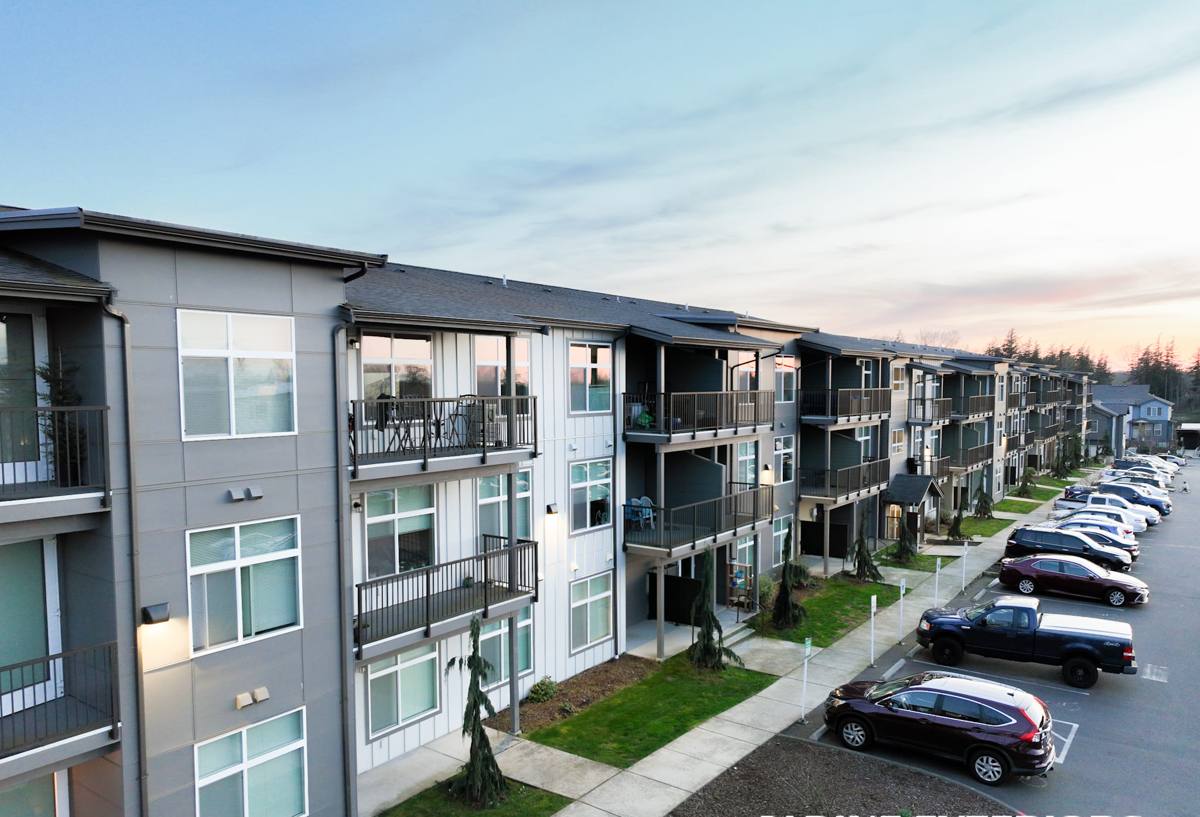
What Dunedin's Climate Actually Does to Siding
Wind and Storm Pressure
Dunedin homes are built to Florida's wind-load codes, but code minimums assume the cladding itself holds up over time — not just on day one. Fastener pull-through, panel flex, and joint failure all get worse as a material ages and degrades. A product that's stiff and dimensionally stable when installed stays that way after ten summers of heat cycling; a product that softens or swells doesn't.
UV and Heat
Pinellas County gets intense, direct sun for most of the year. Painted wood and some engineered wood products chalk, fade, and check under that kind of exposure. A factory-baked finish designed to resist UV breakdown holds color and integrity far longer than a field-applied coat that starts degrading the day it's sprayed on.
Wind-Driven Rain and Humidity
Afternoon storms in this part of Florida don't just fall straight down — wind pushes rain horizontally into wall surfaces, joints, and trim. Materials that absorb and hold moisture stay wet longer between storms, and in a climate with almost no dry season, that moisture never fully has time to leave the material before the next storm arrives.
Salt Air
Dunedin's proximity to the Gulf means airborne salt reaches homes well beyond the immediate waterfront. Salt accelerates corrosion of fasteners and trim hardware and can contribute to finish breakdown on materials not formulated to resist it.
Why We Only Install James Hardie in This Market
We made a deliberate decision not to install LP SmartSide, vinyl, Cemplank, Allura, or unfinished wood siding — not because those products have no place anywhere, but because in a climate like Dunedin's, the trade-offs stack up against the homeowner over time. Fiber cement resists moisture absorption and swelling far better than engineered wood. It won't soften, sag, or develop the edge-swell that wood-based products can show after years of Gulf Coast humidity. It's non-combustible, which matters in a state where wildfire risk and insurance underwriting are both live concerns. And James Hardie's ColorPlus finish is baked on at the factory under controlled conditions, giving it a level of UV and fade resistance that field-applied paint struggles to match.
We're not going to tell a homeowner that competing products are junk — plenty of them are legitimate materials used correctly elsewhere. What we will say is that after years of doing exterior work on the Pinellas County coast, we settled on the one system that consistently performs here, and we'd rather install that one thing well than offer five options and let a homeowner gamble on which one holds up.
Which Hardie Product Line Fits a Dunedin Home
James Hardie makes climate-engineered product lines, and the HZ5 formulation is built specifically for regions like ours that see high humidity and significant moisture exposure. The right combination of siding profile and trim depends on the home's architecture, but here's how the common options compare for a coastal Pinellas County property.
| Product | Best Use | Coastal Consideration |
|---|---|---|
| HardiePlank lap siding | Most common choice; traditional horizontal look | Available in smooth or cedar-textured finish; holds ColorPlus finish well in high-UV exposure |
| HardiePanel vertical siding | Modern facades, accent walls, gable ends | Fewer horizontal seams for wind-driven rain to test |
| HardieShingle siding | Coastal cottage or Florida vernacular styling | Individual shingle profile sheds water differently than lap — installation detail matters more |
| HardieTrim boards | Corners, fascia, window and door surrounds | Pairs with cement board to avoid mixing materials with different moisture behavior at joints |
Color is worth planning around too. ColorPlus finishes are factory-applied and warrantied against fading, which matters more in Dunedin's sun than it does further north — but the finish is only as good as the flashing and joint work underneath it, which is why installation quality carries as much weight as product selection.
What a Correct Installation Actually Involves
Fiber cement siding is only as good as the assembly it's part of. A rushed or generic install can undercut even the best material, especially in a climate that punishes weak points quickly. On every Dunedin project, correct installation means:
- Proper water-resistive barrier and flashing at every window, door, and penetration before a single piece of siding goes up
- Manufacturer-specified fastener spacing, type, and embedment depth — not shortcuts to save time
- Correct clearance between siding and grade, roofline, and other transitions so water sheds instead of wicking upward
- Proper panel and joint gapping to allow for expansion without caulking every seam shut
- Factory-mitered or properly sealed field cuts, especially on ColorPlus product, to protect the factory finish at cut edges
- Corrosion-resistant fasteners and trim hardware appropriate for a salt-air environment
Skipping any one of these doesn't usually show up on day one. It shows up two or three years later as a stain streak, a soft spot, or a seam that's opened up — right about the time a homeowner assumed the siding was maintenance-free.
Our Process for a Dunedin Siding Project
1. On-Site Assessment
We walk the exterior, check the current siding and substrate condition, and look for existing moisture damage, rot, or flashing issues that need to be addressed before new siding goes on — not covered up by it.
2. Product and Color Selection
We help narrow down the right Hardie profile and ColorPlus color for the home's style and the way sun hits different elevations, since south- and west-facing walls take more UV exposure than north-facing ones.
3. Written Scope and Estimate
Before any work starts, the homeowner gets a clear, written scope covering removal, substrate repair if needed, materials, and installation detail — no vague allowances.
4. Tear-Off and Substrate Prep
Old siding comes off, sheathing gets inspected and repaired as needed, and a proper water-resistive barrier goes on before any new material is installed.
5. Installation to Manufacturer Spec
Siding, trim, and flashing go in following James Hardie's published installation requirements, which is also what keeps the manufacturer's warranty intact.
6. Final Walkthrough
We review the finished work with the homeowner before calling the job done, not after.
Why It Matters to Hire a Crew That Already Works Dunedin
Siding installation instructions are the same on paper everywhere. What's different in a coastal Pinellas County neighborhood is the judgment calls: how much clearance to leave near a low-lying yard that holds water after a storm, how to detail flashing on a home that takes rain on more than one exposed side, which fastener and hardware upgrades are worth it given the salt air. A crew that installs siding regularly in this specific environment has already made those calls dozens of times. That experience shows up in the parts of the job a homeowner can't see once the siding is up — the flashing, the fastening, the water management — which is exactly where problems start if they're done wrong.
Signs Dunedin Homeowners Should Watch For
- Soft or spongy spots when you press on the siding, especially near the bottom courses or around windows
- Visible gaps, warping, or buckling along seams
- Paint or finish that's peeling, chalking heavily, or fading unevenly
- Staining that keeps returning after cleaning, which can point to moisture trapped behind the siding
- Rising energy bills that may indicate the wall assembly behind the siding is no longer performing as it should
Any of these are worth a professional look before they turn into a bigger repair than a straightforward siding replacement would have been.
Get a Straight Answer for Your Home
Every Dunedin property is a little different — sun exposure, wind exposure, age of the current siding, and condition of what's underneath it all factor into the right approach. If you want an honest read on where your siding stands and what it would take to get it right with James Hardie, request a free, no-pressure estimate using the form below.