 Clearwater Roofing
 Board & Batten Siding for Harbor Oaks Homes
Board and batten is one of the most requested siding styles in Harbor Oaks. The vertical panels with raised battens give a home a clean, tailored look that works equally well on a classic Clearwater bungalow, a cottage-style renovation, or a garage and gable accent on a larger house. It reads as timeless rather than trendy, and it pairs naturally with the mix of architectural styles you find in this part of Clearwater, near the harbor.
The style itself is simple. What makes it hold up in Pinellas County is not. Board and batten has more seams, more fastener penetrations, and more edges exposed to weather than a standard horizontal lap profile, which means the material and the installation both have to be right. This page covers what that means specifically for a Harbor Oaks home, and how we approach the work.
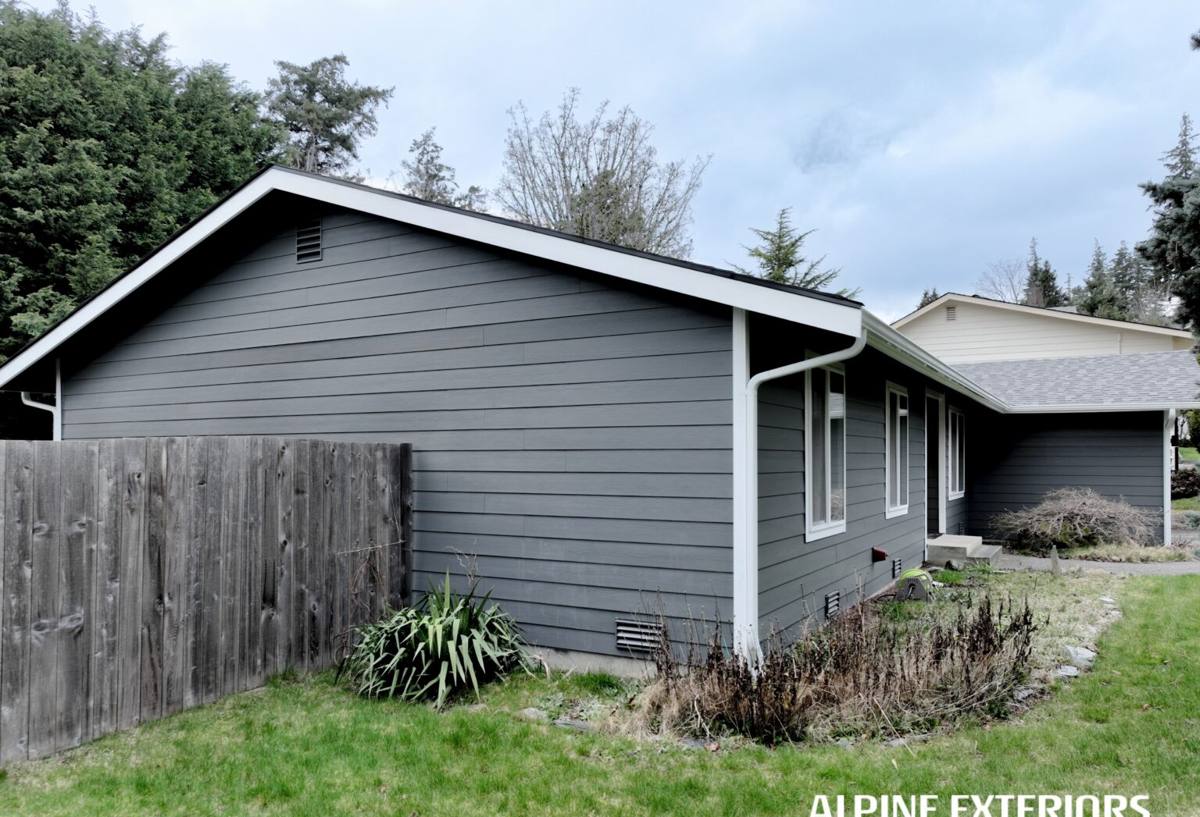
What Clearwater's Climate Does to Vertical Siding
Harbor Oaks sits close enough to Clearwater Harbor and the Gulf that its homes take on the full range of what Florida weather can dish out. Board and batten siding is more exposed to some of these forces than other siding profiles because of its vertical seams and raised trim strips.
Hurricane-Force Wind
Every seam and batten edge is a place wind can get a grip on the siding and start working it loose. A board and batten system that isn't fastened and spaced to the manufacturer's wind-load specifications is at real risk of panels lifting or battens separating during a tropical storm or hurricane, long before the storm reaches its worst.
Intense, Year-Round UV
Florida sun is hard on any exterior finish, but it's especially hard on vertical siding because battens and panel faces often catch direct sun at different angles throughout the day. Paint and coatings that aren't factory-baked tend to fade unevenly and chalk faster here than in milder climates.
Wind-Driven Rain
Board and batten relies on the battens and lapped seams to shed water. When storms come in sideways, as they often do off the Gulf, water gets pushed up and under joints that a calm-weather system was never tested against. Without the right drainage plane behind the siding, that moisture has nowhere to go but into the wall assembly.
Salt Air
Being close to the harbor means airborne salt settles on siding, trim, and fasteners year-round. Salt accelerates corrosion in fasteners and any metal flashing components, and it can degrade materials that aren't formulated to resist it.
Why We Don't Build Board & Batten Out of Wood or Vinyl
Board and batten is historically a wood-siding style, and vinyl board and batten panels are widely sold as a low-cost alternative. Both can look right on the day they're installed. Neither holds up well to what Harbor Oaks throws at a home year after year, which is why our company installs the style exclusively in James Hardie fiber cement.
Wood and Cedar
Real wood board and batten looks great and plenty of homeowners love the material for its authenticity. The honest trade-off in this climate is moisture. Humidity, wind-driven rain, and the freeze-thaw-free but constantly damp Gulf Coast air keep wood siding at a higher moisture content for more of the year than it was designed for, which shortens paint cycles and opens the door to rot, especially at batten edges and butt joints where water collects.
Vinyl
Vinyl board and batten is affordable and low-maintenance in the sense that it never needs painting. Its trade-offs show up over time: it can warp or distort under sustained direct sun, it becomes brittle with age and UV exposure, and in a wind event it's rated for lower impact and wind resistance than fiber cement. It also can't be painted a different color down the road without specialized coatings, which limits a homeowner's options.
Why Fiber Cement
James Hardie fiber cement is non-combustible, dimensionally stable in heat and humidity, and holds a factory-applied finish that's engineered to resist fading and cracking in intense UV. It doesn't rot, and it isn't a food source for pests. That combination is why it's the only material we put on Harbor Oaks homes for this style.
| Factor | Wood/Cedar | Vinyl | James Hardie Fiber Cement |
|---|---|---|---|
| Moisture/rot resistance | Low without diligent upkeep | Won't rot, but can trap moisture behind it | Engineered not to rot |
| UV/fade resistance | Repaint every few years | Can fade and go brittle | ColorPlus factory finish resists fading |
| Wind performance | Depends heavily on fastening | Lower wind/impact rating | Higher wind-load rating when installed to spec |
| Fire resistance | Combustible | Combustible | Non-combustible |
| Repaint option later | Yes, expected | Limited, needs special products | Yes, when the homeowner chooses to |
The James Hardie System We Install
We build board and batten out of James Hardie's vertical panel siding paired with Hardie trim boards used as the battens, rather than a one-piece imitation panel. That two-component approach is what gives the finished wall its authentic look and its long-term performance.
ColorPlus Technology
Factory-applied ColorPlus finish is baked onto the panels and trim under controlled conditions, giving a more even, UV-resistant color than field-applied paint. It also comes with its own finish warranty, separate from the substrate warranty.
Climate-Engineered for the Gulf Coast
James Hardie manufactures its siding in different formulations depending on regional climate demands, with products engineered for high-humidity, high-moisture regions like ours. We install the product line specified for this climate zone, not a generic version meant for a drier part of the country.
Transferable Warranty
James Hardie backs its siding with a long-term, transferable limited warranty. That transferability matters in a neighborhood like Harbor Oaks where homes change hands and buyers want documented condition on major exterior work.
What Correct Installation Involves
Board and batten fails or succeeds based on details most homeowners never see once the job is done. The panels themselves are only part of the system.
- A weather-resistive barrier installed behind the siding, lapped correctly to shed water downward
- Proper panel and batten spacing per Hardie's fastening schedule, sized for the wind zone
- Corrosion-resistant fasteners rated for coastal/salt-air exposure, driven to the correct depth
- Flashing at every window, door, and roofline penetration, not just caulk
- Correct clearance between the siding bottom edge and grade, decks, or roofing
- Sealed and primed cut edges wherever a panel is trimmed on site
Skipping any one of these doesn't usually show up on day one. It shows up two or three storm seasons later, as staining, soft spots, or a batten that's started to pull away. Correct installation is the difference between board and batten that looks good for a season and one that holds up for decades.
Our Process for a Harbor Oaks Project
We start with an on-site assessment of the existing siding or substrate, checking for any hidden moisture or wood damage that needs to be addressed before new siding goes on, since covering a problem never solves it. From there we confirm the drainage plane and flashing details are correct or install them if they're missing, then install the Hardie panels and battens to the fastening and spacing schedule for our wind zone. Every project gets a final walkthrough with the homeowner before we consider it finished, covering how the material performs and what to expect from it over time.
Why a Crew That Already Works Harbor Oaks Matters
Harbor Oaks isn't a generic subdivision. It's an established, tree-lined neighborhood with a mix of older and newer homes close to the water, and that proximity to Clearwater Harbor means more direct salt exposure and more direct wind exposure than homes further inland in Pinellas County. A crew that regularly works this specific area already knows to spec corrosion-resistant fasteners and flashing without being told, already understands the wind-load requirements that apply this close to the coast, and already has a working relationship with the Clearwater permitting process for exterior work.
That familiarity shows up in small decisions throughout a project — how tight to run a fastening schedule, which side of a house takes the worst of the driving rain, how much clearance to leave near mature landscaping — that a crew unfamiliar with the neighborhood would have to learn on your house.
Maintenance and Long-Term Care
James Hardie board and batten is low-maintenance, not no-maintenance. A simple annual rinse to clear salt residue and organic buildup goes a long way in this climate. Caulked joints and paint touch-ups, if a homeowner ever repaints, should be checked periodically, and any storm damage should be inspected promptly rather than left to sit through the next round of wind-driven rain. Done right the first time, that's about the extent of what the material asks of you.
Is Board & Batten Right for Your Harbor Oaks Home?
Board and batten works well as a full-house siding choice or as an accent on gables, dormers, or a garage against a horizontal lap main field. Before committing, it's worth asking a few questions of any contractor you're considering:
- What fiber cement product line and profile do they install, and is it rated for this climate zone?
- Will they install a weather-resistive barrier and proper flashing, or just the visible panels?
- What fastener type do they use, and is it rated for coastal salt exposure?
- Do they carry manufacturer certification for James Hardie installation?
- What does the warranty cover, and is it transferable if you sell the home?
If a contractor can't answer these clearly, that's worth knowing before, not after, the siding goes up.
If you're weighing board and batten for a Harbor Oaks home, we're happy to take a look and talk through what it would involve for your specific house. We offer free, no-pressure estimates — there's a form below to get started.