 Clearwater Roofing
 Roofing on a Barrier Island Is a Different Job
Indian Rocks Beach sits on a narrow barrier island just off the Pinellas County mainland, with the Gulf of Mexico on one side and the Intracoastal Waterway on the other. That location is why homes here take a different kind of beating than a roof five miles inland in Clearwater proper. Salt-laden air moves across the island constantly, not just during storms, and it works on fasteners, flashing, and metal components year-round. Add in direct, unfiltered sun exposure with almost no tree canopy to break it up, and you get roofing materials that age faster than the manufacturer's warranty numbers suggest.
We're based in Clearwater and have worked roofs on Indian Rocks Beach and the surrounding barrier island communities for years. This page covers what roof repair actually means for a home in this specific environment — not a generic "we fix roofs" pitch.
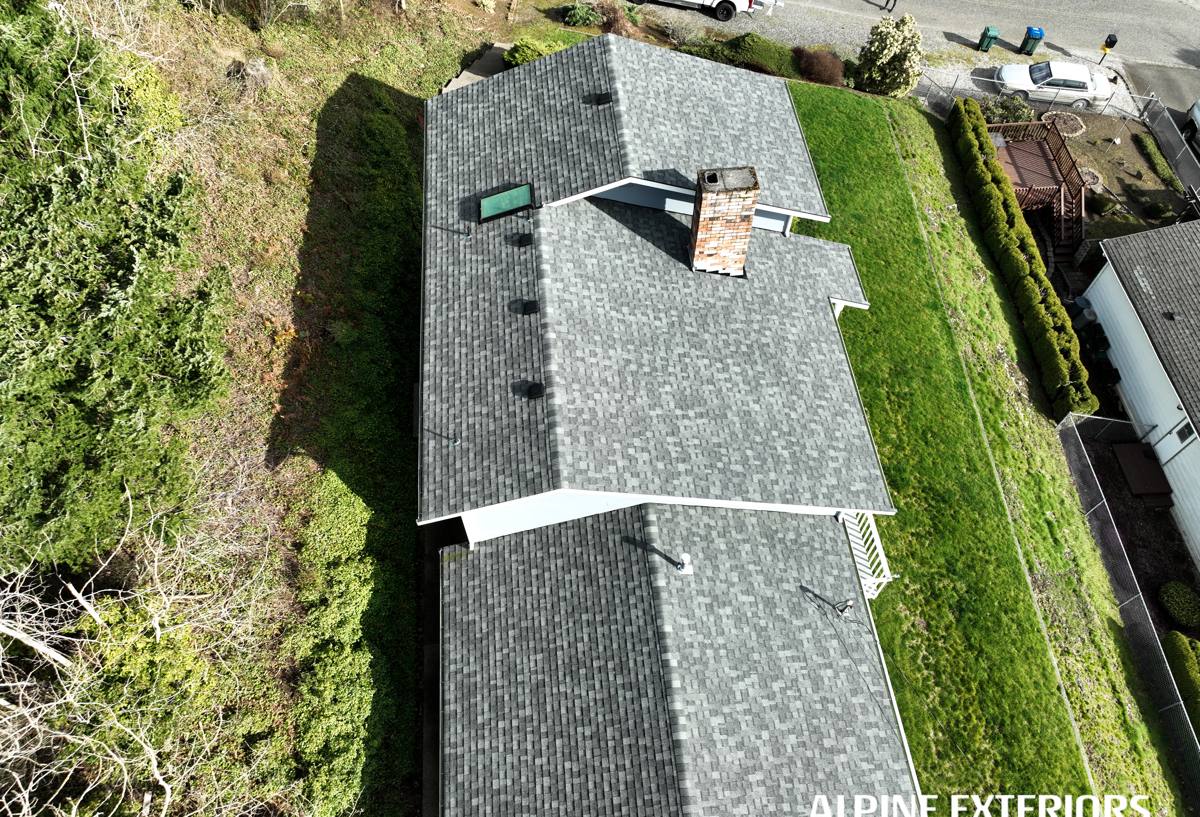
What the Climate Does to an Indian Rocks Beach Roof
Salt Air and Corrosion
Airborne salt settles on everything, including roofing fasteners, drip edge, flashing, and any exposed metal. Standard galvanized fasteners corrode faster here than the same product would fifteen miles inland. Corroded fasteners lose their grip on shingles and metal panels, which is one of the most common root causes we find when we're called out for a "small" leak that turns out to be a fastener failure, not a shingle failure.
Wind-Driven Rain
Pinellas County sees strong storms off the Gulf, and on the island there's nothing to slow the wind before it hits a roofline. Wind-driven rain doesn't just fall on a roof — it gets pushed sideways and upward under shingle edges, around vents, and into any gap in flashing that wouldn't leak in a normal rainstorm. A repair that only addresses the visible damage and ignores how water travels under wind pressure tends to fail again in the next storm.
UV Exposure
With open Gulf exposure and few obstructions, roofs here get long, intense sun exposure most of the year. UV breaks down asphalt shingle granules and dries out sealant strips faster than in shaded inland neighborhoods, which shows up as brittle, cracking, or curling shingles well before they'd otherwise be due for attention.
Hurricane-Force Wind Events
Beyond routine wind, this stretch of coastline is directly in the path when tropical systems move through. Roofs here need repairs done to a standard that holds up under uplift, not just patched to look right from the ground.
Signs Your Roof Needs Repair, Not Just a Look
- Missing, cracked, or curling shingles, especially on the Gulf-facing or wind-facing slope
- Rust streaks or discoloration around flashing, vent boots, or metal edges
- Granules collecting in gutters or at downspout outlets
- Soft spots, sagging, or discoloration on interior ceilings, especially after a storm
- Daylight visible through the attic decking or roof boards
- Lifted or loose flashing around chimneys, skylights, or roof-wall intersections
- Visible corrosion on exposed fasteners or nail heads
- A recent storm with heavy wind, even if you didn't see obvious damage from the ground
Any one of these is worth a look. Several together usually mean the roof has more going on than what's visible from the driveway.
What a Correct Repair Actually Involves
A roof repair that's done right on an island roof goes past swapping out the damaged shingles you can see. We treat every repair call as an opportunity to check the surrounding area, because on this coastline, damage rarely stays isolated.
Diagnosing the Actual Source
Water travels. A stain on a ceiling doesn't necessarily sit under the leak — it can show up several feet away depending on the slope and decking. We trace leaks back to their actual entry point before we start any repair, because patching the spot where water appeared indoors and not the spot where it's actually getting in is the single most common reason repairs don't hold.
Checking and Rebuilding Flashing
Flashing around chimneys, vents, skylights, and roof-to-wall transitions is where most leaks on repaired roofs originate. In a salt-air environment, we check flashing condition on every repair call regardless of what brought us out, because corroded flashing is often the real problem hiding behind a shingle issue.
Matching Materials Properly
Shingle color and profile change over time due to UV exposure, so a patch using new material next to sun-faded existing shingles can look mismatched even when the workmanship is solid. We talk through this with homeowners upfront rather than let it be a surprise, and we match as closely as current product lines allow.
Sealing for Wind-Driven Rain, Not Just Standing Water
A repair that would hold up fine in a calm rain can still fail when rain is being pushed sideways by wind. We seal and fasten repairs with that reality in mind, since it's the normal condition here, not the exception.
Repair or Replace? What Actually Drives That Decision
Homeowners often ask us to just tell them whether a repair makes sense or whether they should be thinking about full replacement. It depends on a few honest factors, not a sales pitch either direction.
| Factor | Leans Toward Repair | Leans Toward Replacement |
|---|---|---|
| Roof age | Under 10-12 years, otherwise sound | Nearing or past expected service life for the material |
| Damage extent | Isolated to one area or slope | Spread across multiple slopes or recurring in different spots |
| Underlying decking | Solid, dry decking under the damaged area | Soft, rotted, or water-stained decking found during inspection |
| Storm history | Single event, otherwise well-maintained roof | Multiple storm impacts over the years, cumulative wear |
| Shingle condition elsewhere | Rest of roof still has good granule coverage and flexibility | Widespread brittleness, curling, or granule loss |
We'll always tell you straight if a repair is the right call, even if replacement would be the bigger job for us. A roof that only needs a repair doesn't need to be sold a replacement.
Our Repair Process
- Inspection. We look at the reported problem area and the full roof, since isolated symptoms often have a related cause elsewhere.
- Honest assessment. We explain what we found, what's actually causing the issue, and what a proper fix requires — before any work starts.
- Written estimate. Clear scope and cost, no vague line items.
- Repair work. Damaged material removed, decking checked and addressed if compromised, flashing and underlayment corrected as needed, new material installed and sealed for wind and water.
- Final check. We confirm the repair area is watertight and secure before we consider the job done.
Materials and Fasteners for Island Conditions
Not every fastener or flashing product performs the same in a salt-air environment. On repair work here, we favor corrosion-resistant fasteners and flashing materials suited to coastal exposure rather than whatever's cheapest at standard grade, because the labor cost of a repair is the same either way — the difference shows up years later in whether the repair is still holding. We also pay close attention to sealant products, since UV-driven sealant breakdown is one of the more common causes of small leaks reappearing on island roofs.
Why It Matters That We Already Work This Area
A roofing crew that regularly works Indian Rocks Beach and the surrounding barrier island knows things a crew unfamiliar with the area has to learn on your job. We know what salt-air corrosion looks like at different stages, we know which repair shortcuts don't hold up out here even if they'd be fine inland, and we're familiar with Pinellas County permitting requirements when a repair crosses into work that needs one. That local familiarity translates into fewer surprises and a repair built for the conditions your specific roof actually faces, not generic conditions.
We're a Clearwater-based crew, which means a short drive to Indian Rocks Beach rather than a contractor coming from across the county — useful for scheduling, and useful if a repair needs a follow-up visit.
Maintenance That Extends a Repair
- Rinse accumulated salt residue off the roof surface periodically, especially after long dry stretches
- Keep gutters and downspouts clear so water doesn't back up under roof edges
- Trim back any vegetation that holds moisture against the roof surface
- Have the roof checked after any significant wind or storm event, even without visible damage
- Address small issues — a lifted shingle corner, a small rust spot on flashing — before the next storm season instead of after
None of this replaces a proper inspection, but it reduces how often you need one to turn into a repair call.
Get a Straight Answer on Your Roof
If you're dealing with a leak, storm damage, or just want an honest look at where your roof stands, we're glad to come out and give you a free, no-pressure estimate. Use the form below to get started.