 Clearwater Roofing
 Why Oldsmar Roofs Wear Differently Than Roofs Inland
Oldsmar sits on Tampa Bay in Pinellas County, in the same coastal weather system that shapes every roof from Clearwater down through the rest of the county. A roof here is doing a different job than a roof forty miles inland. It's absorbing tropical humidity most of the year, taking direct hits from hurricane-force wind during storm season, and sitting under some of the most intense year-round UV exposure in the continental United States. Add wind-driven rain that gets forced sideways under poorly sealed edges, and salt-laden air drifting off the bay that quietly corrodes metal components, and you have a roofing environment that punishes shortcuts fast. A new roof installation in Oldsmar isn't just a re-cover — it's an opportunity to correct whatever the original roof got wrong and build something that's actually matched to this climate.
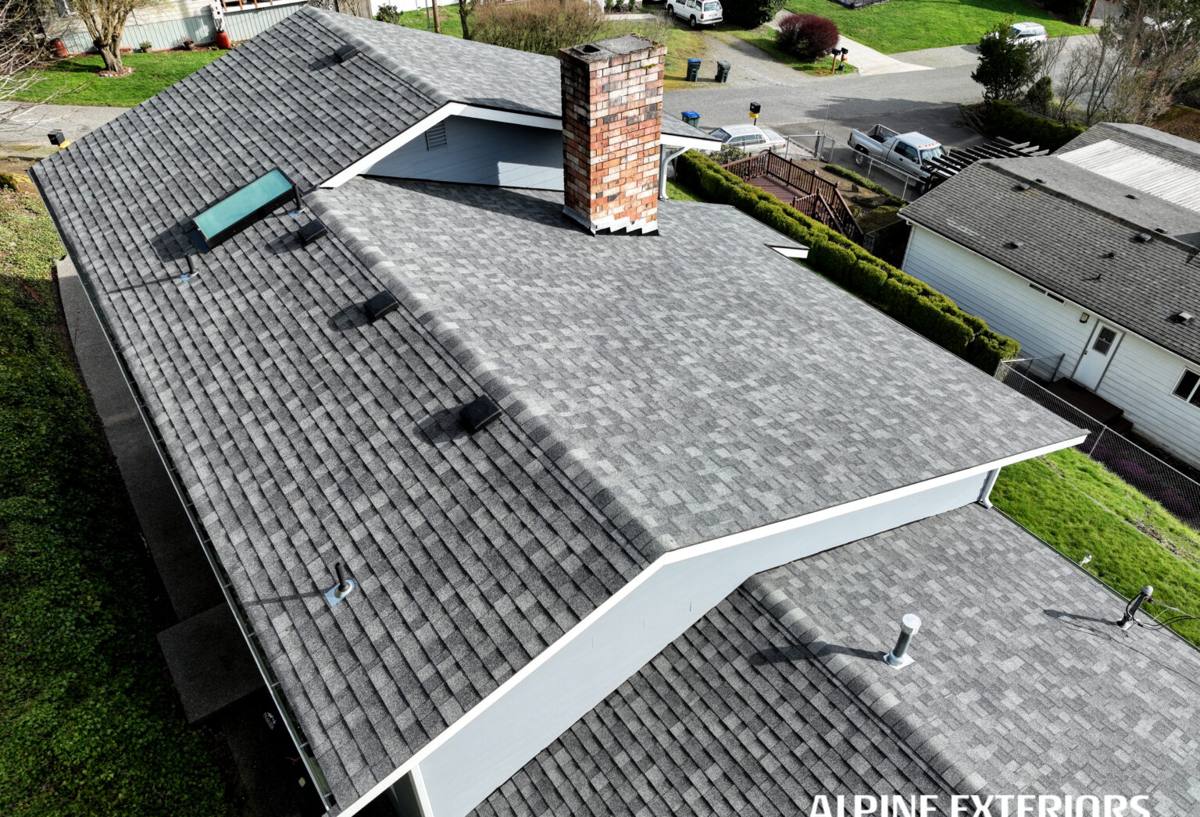
What This Climate Actually Does to a Roof
Hurricane-Force Wind
Wind doesn't fail a roof evenly. It concentrates uplift force at ridges, edges, and corners, which is exactly where cheap installations cut corners on nailing and fastening. A roof that looks fine in a light breeze can lose shingles or panels in a single storm if the fastening pattern, edge metal, and underlayment weren't installed to withstand sustained gusts, not just rated for them on paper.
Year-Round UV Exposure
Florida sun breaks down roofing materials faster than almost anywhere else in the country. Asphalt shingles lose their granules and oils over time, sealants dry out and crack, and any material not rated for this level of UV load will age well ahead of its expected lifespan. This is a twelve-month problem here, not a summer one.
Wind-Driven Rain
Rain that comes in sideways during a squall doesn't behave like rain falling straight down. It can work its way under shingle tabs, through poorly lapped underlayment, and around flashing that was installed for looks rather than water management. Most leaks we find in coastal homes trace back to wind-driven rain finding a gap that never mattered until a storm pushed water into it.
Salt Air Corrosion
Being close to Tampa Bay means airborne salt settles on every exposed surface, including roof metal. Fasteners, flashing, vents, and any exposed hardware corrode faster here than they would even a few miles further from the water. Material choice and fastener grade matter more in Oldsmar than they do in a landlocked neighborhood.
Signs an Oldsmar Roof Needs Replacement, Not Another Repair
Not every roof problem calls for a full replacement, but there's a point where patching becomes a waste of money. Here's what tells us a roof has reached that point:
- Shingles that are curling, cupping, or losing granules across large sections rather than one isolated spot
- Multiple past repairs in different areas, suggesting the whole roof is aging out rather than one localized failure
- Soft spots or visible sagging in the roof deck when walked or inspected from the attic
- Daylight visible through the roof deck from inside the attic
- Recurring leaks after storms even though the last repair was recently completed
- Missing or lifted shingles after wind events, especially near ridges, edges, and valleys
- A roof approaching or past 20 years old (asphalt) or showing age-related wear consistent with its expected service life
- Visible rust or corrosion on flashing, vents, or fasteners
If a roof is showing two or more of these at once, a new installation is usually the more honest recommendation than another round of patchwork.
What a Correct New Roof Installation Actually Involves
Tear-Off and Deck Inspection
A proper installation starts with a full tear-off down to the roof deck, not an overlay on top of existing material. This is the only way to actually see the deck's condition — rot, delamination, or soft plywood has to be found and replaced before anything new goes down, because no underlayment or shingle can compensate for a compromised deck underneath it.
Underlayment and Flashing
In a coastal climate, underlayment is doing more work than in drier regions. Self-adhering underlayment at valleys, eaves, and other vulnerable areas, correctly lapped synthetic underlayment across the field, and properly integrated flashing at every wall, chimney, and penetration are what actually stop wind-driven rain from reaching the deck. This is the part of a roof nobody sees once it's finished, and it's also the part most responsible for whether the roof leaks five years from now.
Fastening for Wind
Fastener type, length, and pattern all need to match the wind exposure of the home, not just meet a generic minimum. This is where installation quality separates a roof that performs in a real storm from one that only looks correct on a sunny day.
Ventilation
A roof system needs balanced intake and exhaust ventilation to manage heat and moisture in the attic. Skipping or under-sizing ventilation shortens shingle life, can void manufacturer warranties, and drives up cooling costs in a climate where the attic is already working overtime against the sun.
Final Inspection
A completed installation should be inspected against the manufacturer's installation requirements and local code before it's considered done — not just walked and photographed for a quick sign-off.
Choosing a Roofing System for Oldsmar
There's no single "best" roofing material — the right choice depends on budget, how long the homeowner plans to stay in the home, and how much long-term maintenance they want to take on. Here's an honest comparison of the systems we install most often in this climate:
| Roofing System | Typical Lifespan | Wind Performance | Maintenance |
|---|---|---|---|
| Architectural (dimensional) asphalt shingles | 20–30 years | Strong when installed with proper nailing pattern and sealed edges | Low; periodic inspection after storms |
| Standing seam metal | 40–50+ years | Excellent uplift resistance with concealed fasteners | Very low; occasional fastener and sealant check |
| Concrete or clay tile | 50+ years (tile itself) | Good when tiles and underlayment are both rated for the exposure | Moderate; underlayment beneath tile ages independently of the tile |
| 3-tab asphalt shingles | 15–20 years | Lower wind rating than architectural shingles | Low, but shorter service life overall |
For most Oldsmar homes, architectural shingles rated for the local wind zone offer the best balance of upfront cost and durability. Metal is worth the higher initial investment for homeowners planning to stay long-term, given how well it handles both wind uplift and the area's UV load. Tile can work well but depends heavily on the underlayment installed beneath it, since the tile itself often outlasts that layer.
Permits, Codes, and Wind Mitigation Credits
A new roof in Pinellas County requires a permit, and the installation has to meet current Florida Building Code wind and moisture requirements for our region — this covers everything from fastening schedules to underlayment type to edge metal. Cutting a permit out of the process isn't a shortcut worth taking; it removes third-party inspection of exactly the details that determine whether the roof performs in a storm.
A new roof also qualifies a home for an updated wind mitigation inspection, which can lower windstorm insurance premiums by documenting features like roof shape, deck attachment, and roof-to-wall connections. It's a separate inspection from the permit process, but it's worth scheduling once the new roof is complete, since the savings can be meaningful over time.
Our Installation Process, Start to Finish
- Inspection and estimate — we assess the current roof, deck condition where visible, and any storm or age-related damage, and provide a written estimate with material options.
- Material selection — we walk through the tradeoffs between shingle, metal, and tile based on budget and how long the homeowner plans to own the home.
- Permitting — we pull the required permit and schedule work around Pinellas County inspection requirements.
- Tear-off — full removal of the old roofing material and deck inspection, with any damaged decking replaced before moving forward.
- Underlayment and flashing installation — self-adhering membrane at vulnerable areas, synthetic underlayment across the field, and new flashing at every penetration and wall transition.
- Roofing material installation — installed to the fastening pattern and edge detail required for our wind zone, not a generic minimum standard.
- Ventilation check — intake and exhaust ventilation confirmed balanced for the attic size.
- Final walkthrough — we review the completed roof with the homeowner and confirm everything meets code before closing out the permit.
Why Hiring a Crew That Already Works in Oldsmar Matters
A roofing crew that regularly works Oldsmar and the surrounding Clearwater area already understands the specific wind zone requirements, the local permitting process, and which underlayment and fastening details actually hold up against wind-driven rain off the bay. That's different from a crew that mostly works inland jobs and treats a coastal roof the same as any other. Local experience means fewer surprises during inspection, materials chosen with this exact climate in mind, and a crew that's seen how roofs in this specific area actually fail — and installs accordingly, not just to a generic spec sheet.
If your Oldsmar home needs a new roof, or you're not sure whether a repair will actually hold, we're happy to take a look and give you a straightforward, no-pressure estimate. Use the form below to get started.