 Clearwater Roofing
 Oldsmar sits along the northern edge of Tampa Bay in Pinellas County, and homes here deal with a specific mix of weather that's hard on windows: long stretches of intense UV, salt-laden air drifting in off the bay, sudden summer downpours, and the real chance of hurricane-force winds during storm season. Windows that were perfectly fine ten or fifteen years ago are often now the weakest link in a home's energy bill and its storm protection. This page covers what an energy-efficient window job actually involves for an Oldsmar home, and what to look for from any contractor you hire to do it.
Why Oldsmar's Climate Is Hard on Windows
Older aluminum-frame windows, especially single-pane units common in homes built before energy codes tightened up, do a poor job holding back Florida's heat. Glass and frames absorb solar energy all day, then radiate it back into the house well after the sun goes down, forcing the air conditioner to work overtime. Add in wind-driven rain that tests every seal and gasket during afternoon storms, plus salt air that slowly corrodes hardware and pits aluminum, and it's easy to see why windows this close to Tampa Bay wear out faster than the same products would inland. Hurricane season adds another layer: even when a storm doesn't make direct landfall nearby, sustained wind and pressure changes stress frames and seals that sun and salt exposure have already weakened.
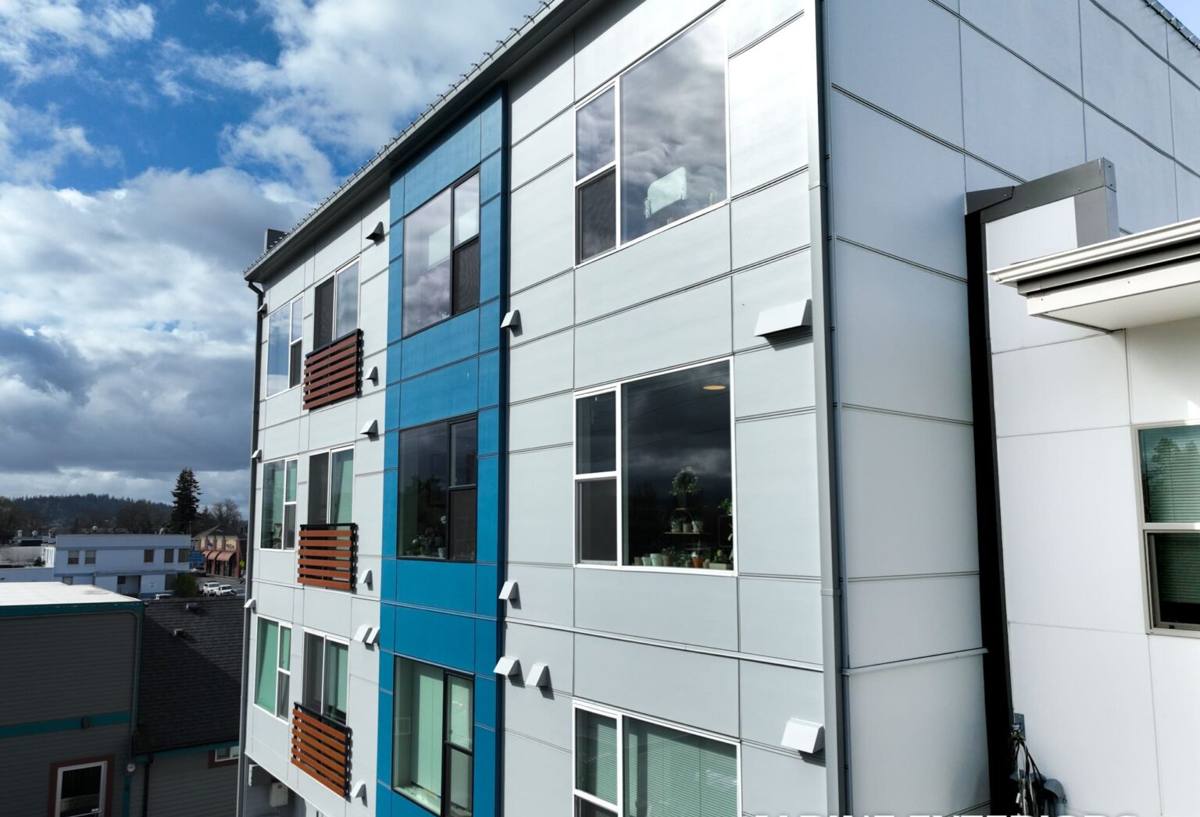
What "Energy-Efficient" Actually Means for a Florida Window
"Energy-efficient" isn't a marketing label — it refers to a handful of measurable properties that determine how much heat and UV a window lets into your home, and how well it holds conditioned air in. For a house in Oldsmar, three ratings matter most.
U-Factor
U-factor measures how well a window resists heat transfer. Lower is better. In a climate where the outside is almost always hotter than the inside for most of the year, a low U-factor keeps outdoor heat from working its way in through the glass and frame.
Solar Heat Gain Coefficient (SHGC)
SHGC measures how much solar radiation passes through the glass and turns into heat inside your home. For west- and south-facing rooms especially, a low SHGC rating is often more important to comfort than the U-factor, because it directly reduces afternoon heat load.
Low-E Coatings and Gas Fills
A low-emissivity (low-E) coating is a microscopically thin layer applied to the glass that reflects infrared heat while still letting visible light through. Paired with an insulating gas fill, typically argon, between two panes, this combination does most of the actual work in a modern energy-efficient window — not the frame color or the name printed on the sticker.
Energy Efficiency and Wind Protection Have to Work Together Here
In much of Pinellas County, replacement windows also have to satisfy Florida's wind-borne debris and wind-load requirements, not just energy code. That means a window's structural rating — how it performs under wind pressure and flying debris — isn't optional; it's part of what makes the installation legal and insurable in the first place. The good news is that today's impact-rated and wind-rated windows are also strong energy-efficient windows. The laminated glass and tighter frame tolerances that help a window survive a storm also cut down on air infiltration, which is one of the biggest hidden sources of energy loss in an older home. When we quote a job in Oldsmar, we're accounting for both ratings at once rather than treating them as two separate upgrades.
Signs Your Current Windows Are Costing You Money
Most homeowners don't replace windows because they woke up thinking about U-factors — they replace them because something is visibly or financially wrong. Common signs worth a closer look:
- Glass or frames that feel hot to the touch on the inside during the afternoon
- Condensation or fogging trapped between panes, usually meaning a failed seal and lost insulating gas
- Visible daylight or a draft at the frame edge when the window is closed and locked
- Difficulty opening, closing, or locking — often a sign the frame has warped or corroded
- Chalky, pitted, or corroded aluminum hardware from years of salt-air exposure
- Rooms that stay noticeably warmer than the rest of the house despite the AC running
- A cooling bill that's crept up over the years with no other clear explanation
Any one of these on its own might just mean a repair. Several together usually mean the windows have reached the end of their useful life and are actively working against your energy bill.
Choosing the Right Frame Material for a Bay-Area Home
Frame material affects energy performance, how well the window holds up to salt air, and how much upkeep it needs. There's no single "best" choice — it depends on your home, your budget, and how close you are to open water.
| Frame Material | Energy Performance | Salt-Air Durability | Typical Maintenance |
|---|---|---|---|
| Vinyl | Very good; low conductivity, multi-chamber designs insulate well | Won't corrode; long-term UV exposure can cause discoloration | Low — occasional cleaning |
| Aluminum | Fair on its own; better with a thermal break | Prone to pitting and corrosion near the water without proper coatings | Moderate — hardware and finish need periodic attention |
| Fiberglass | Excellent; very stable and low-conductivity | Strong resistance to salt air and UV | Low, but a higher upfront cost |
| Wood / Wood-Clad | Good insulator | Poor without diligent upkeep; humidity and salt accelerate wear | High — regular sealing and inspection required |
For most Oldsmar homes, vinyl or fiberglass frames hit the right balance of energy performance and low maintenance in a salt-air environment. We'll walk through the honest trade-offs for your specific home rather than push whatever happens to be cheapest to install.
What Drives the Cost of a Window Job in Oldsmar
Every home is different, so we don't quote by the "average house" — but the same handful of factors move the price up or down on almost every job:
- Number and size of windows being replaced
- Window type — single-hung, sliding, picture, or specialty shapes each price differently
- Frame material selected (see the comparison above)
- Glass package, since impact-rated laminated glass costs more than standard insulated glass
- Accessibility — second-story or hard-to-reach openings take more time and equipment
- Condition of the existing opening, since rot or water damage found during removal needs repair before a new window goes in
- Permit and inspection fees required for the work
We provide a written, itemized estimate before any work starts, so you know exactly what you're paying for and why — no vague lump-sum numbers.
How We Approach an Energy-Efficient Window Job in Oldsmar
A window replacement is only as good as the installation behind it. The right product installed poorly will still leak air, leak water, or both. Our process on Oldsmar homes generally looks like this:
- On-site assessment. We measure every opening individually — older homes especially can have openings that are slightly out of square — and check for existing water intrusion, wood rot, or frame damage that needs to be addressed before new windows go in.
- Product selection based on the home, not a default. Orientation (which walls take the worst afternoon sun), proximity to the water, and your budget all factor into which glass package and frame material we recommend.
- Permitting. Window replacement in Pinellas County typically requires a permit, and the local building department will want documentation showing the product meets the required wind and impact rating for your address. We handle that paperwork as part of the job.
- Removal and opening prep. Old units come out carefully to avoid damaging stucco, siding, or interior trim. Any rot or water damage found in the opening gets repaired before a new window goes in — sealing a new unit into a compromised opening just hides the problem for a while.
- Installation and sealing. Proper flashing, backer rod, and sealant around each unit are what actually keep wind-driven rain out — this step matters as much as the window itself.
- Final check. Every window gets tested for smooth operation, a secure lock, and a clean, sealed finish before we consider the job done.
Why Hiring a Crew That Already Works in Oldsmar Matters
Window work in this part of Pinellas County isn't identical to window work fifty miles inland. A contractor who regularly works Oldsmar and the greater Clearwater area already knows the local permitting process, understands which wind and impact ratings apply in this zone, and has seen firsthand how fast salt air and constant sun break down the wrong products. That local experience shows up in practical ways: fewer surprises during permitting and inspection, fewer callbacks for leaks after the first hard summer rain, and window recommendations grounded in what actually holds up here — not just what performs well in a lab test or in a milder inland climate. If your neighborhood has an HOA with exterior approval requirements, it also helps to work with a crew that's already navigated that process nearby.
Caring for Your New Windows in a Salt-Air Climate
Energy-efficient windows are a long-term investment, and a little routine care keeps them performing the way they're supposed to. Rinse frames and tracks periodically to clear salt residue before it has a chance to build up, especially on homes closer to the water. Keep weep holes at the bottom of the frame clear of dirt and debris so water can drain out instead of pooling against the seal. Lubricate hardware and check seals and caulking once a year, ideally before hurricane season, so small issues get caught before they turn into leaks. Avoid pressure-washing directly into window seals — the force can drive water past gaskets that would otherwise do their job just fine.
Ready to Talk About Your Windows?
If your windows are past their prime, feel drafty, or you're just tired of watching the cooling bill creep up every summer, we're happy to take a look and give you a straight, no-pressure assessment of what your Oldsmar home actually needs. Use the form below to request a free estimate.