 Clearwater Roofing
 Why Palm Harbor Decks Wear Out Faster Than You'd Expect
Palm Harbor sits close to the water on Florida's central Gulf coast, and that proximity is exactly what shortens the life of an outdoor deck. Between hurricane-season wind loads, near-constant UV exposure, wind-driven rain that gets pushed sideways under railings and into ledger boards, and the salt air drifting in off Tampa Bay and the Gulf, a deck here is working harder than the same structure would in almost any inland market. Fasteners corrode faster. Wood fibers dry out, cup, and crack under UV even when the surface looks fine. Metal connectors hidden under the decking - the parts holding the whole structure together - are often the first thing to fail, long before the boards look bad enough to worry a homeowner.
That's the core problem with deck replacement in this area: the visible wear and the structural wear don't happen on the same schedule. A deck can look presentable and still have compromised framing underneath. Any honest evaluation has to look past the surface.
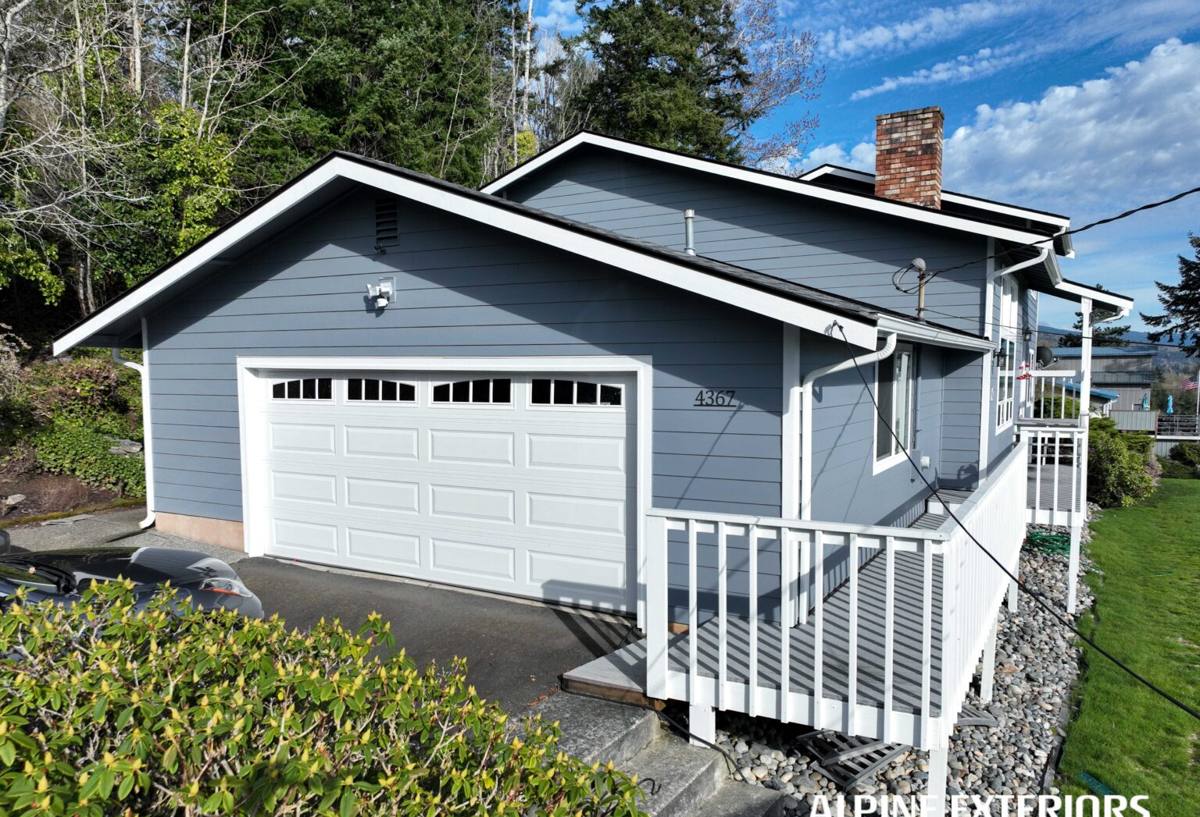
Signs a Deck Needs Replacement, Not Another Repair
Not every deck problem calls for a full tear-off. But there's a point where patching becomes false economy, and in Pinellas County's climate that point tends to arrive earlier than homeowners expect.
Repair is usually enough when:
- A handful of boards are cupped, splintering, or discolored but the frame underneath is dry and solid
- Railings are loose at isolated posts rather than throughout the structure
- Fasteners are surface-rusted but not failing under load
Replacement is the honest call when:
- The ledger board attaching the deck to the house shows soft spots, staining, or gaps - this is the single most common failure point behind serious deck accidents
- Support posts or joists show rot, insect damage, or corrosion at the connectors
- Footings have shifted, heaved, or were never sized correctly for the structure above them
- The deck predates current wind-load and attachment requirements for coastal Pinellas County
- More than a third of the decking and framing combined would need to be replaced anyway
If a contractor tells you a deck needs replacement without checking the ledger attachment, the joist hangers, and the footings first, get a second opinion. Those three things determine the real answer, not how the top boards look.
Material Choices That Actually Hold Up Here
Every decking material sold today can look good on a showroom sample. The differences that matter show up after two or three Gulf coast summers, not on day one.
| Material | How it handles Palm Harbor's climate | Maintenance reality |
|---|---|---|
| Pressure-treated pine | Affordable and strong when installed correctly, but UV and humidity cycling cause checking and warping faster here than inland | Needs sealing or staining roughly every 1-2 years to hold up |
| Composite decking | Resists rot and UV fading well; performance varies significantly by brand and product line | Low - occasional washing, no staining or sealing |
| PVC/capped composite | Best moisture resistance of the common options, holds color well under intense sun | Lowest maintenance, highest upfront cost |
| Tropical hardwoods (e.g. ipe) | Naturally dense and rot-resistant, but installation is unforgiving - improper fastening leads to splitting | Requires periodic oiling to maintain color; will gray naturally if left untreated |
We'll walk through the honest tradeoffs for your budget and how the deck will actually be used - a rarely-used side deck has different priorities than a main entertaining space that sees full sun most of the day.
What a Correct Deck Replacement Actually Involves
The decking boards are the least important part of the job from a safety standpoint, even though they're what everyone notices first. A correct replacement starts underneath.
Ledger attachment
The ledger board connects the deck to the house and typically carries a large share of the structure's load. It needs proper flashing to keep water from tracking behind it into the house rim joist, and it needs to be through-bolted or lag-screwed per code - not just nailed. This is the detail most responsible for deck collapses nationally, and it's also the detail most often done wrong on older or DIY-built decks.
Footings and posts
Footings need to be sized and set to the depth local code and soil conditions require, not just "deep enough to look right." In a high-water-table coastal area, footing depth and concrete quality both matter more than they would inland.
Joist hangers and hardware
Standard zinc-coated hardware corrodes quickly this close to salt air. Correctly specified stainless or coated hardware rated for coastal exposure costs more but is the difference between hardware that lasts and hardware that's rusting through in five years.
Railings and guards
Railing height, baluster spacing, and post attachment all have code minimums that exist specifically to prevent falls. Wind exposure in this area also makes railing attachment strength a real consideration, not just a formality.
Our Process for Palm Harbor Deck Replacements
- On-site evaluation: we inspect the ledger, framing, footings, and hardware - not just the decking surface - and tell you plainly what's driving the recommendation
- Written scope and material options: a clear breakdown of what's being replaced, what materials are being considered, and why, with no vague allowances
- Permitting: we handle the permit application and inspections required for the jurisdiction the property falls under
- Demolition and disposal: full removal of the old structure, including hauling debris off-site
- Framing rebuild: footings, posts, ledger, and joists installed to current code, not just matched to what was there before
- Decking, railing, and fastening: installed per manufacturer specification, which matters most for composite and PVC warranty coverage
- Final walkthrough: we go over the finished structure with you before calling the job done
Permits and Code Considerations in Pinellas County
Deck replacement in this area almost always requires a building permit, particularly when framing, footings, or attachment to the house is involved - which, as covered above, it should be. Permitted work means an independent inspector checks the ledger attachment, footing depth, and structural connections before the decking goes down and covers them up. That inspection is a real safeguard, not paperwork for its own sake, and it's also what protects you if you ever sell the home and a buyer's inspector asks about permit history. Any contractor proposing to skip the permit to save time is asking you to trust that every hidden connection was done right, with no way to verify it later.
What Deck Replacement Typically Costs
Pricing depends on square footage, framing condition, material choice, and height/complexity (a second-story deck or one with multiple levels costs more than a simple ground-level structure). Rather than quote a single number that won't match your situation, here's what actually moves the price:
| Cost factor | Why it matters |
|---|---|
| Decking material | Pressure-treated lumber costs the least upfront; composite and PVC cost more but reduce long-term maintenance spending |
| Framing condition | If footings and posts can be reused safely, cost drops; if they need full replacement, cost rises |
| Deck height and access | Elevated decks and decks with difficult site access require more labor and engineering |
| Railing style | Basic wood or aluminum railing costs less than glass or cable railing systems |
| Permit and engineering requirements | Larger or elevated structures may require engineered drawings, adding to cost but reducing risk |
We provide a written, itemized estimate before any work starts so you know exactly what you're paying for and why.
Why It Matters to Hire a Crew That Already Works This Area
A contractor who works Pinellas County regularly already knows which footing depths and hardware specifications hold up against Gulf coast humidity and salt exposure, and already has a working relationship with local permitting offices, which keeps inspections and approvals moving instead of stalling. That familiarity shows up in fewer surprises during the job and a structure that's actually built for the conditions it has to survive, not a generic spec sheet from a colder, drier climate.
Keeping a New Deck in Good Shape
Whatever material you choose, a few habits extend its life significantly in this climate:
- Rinse off salt residue and debris periodically, especially after storms
- Keep gutters and downspouts clear so water isn't dumping onto or near the deck structure
- Check railing posts and stair connections annually for looseness
- Reseal wood decking on the schedule the product actually requires - skipping a cycle in intense Florida sun accelerates damage
- Have the structure looked at after any major storm, even if nothing looks obviously wrong
If your deck in Palm Harbor is showing its age or you're not sure whether it needs repair or full replacement, we're happy to take a look and give you a straight answer. Fill out the form below for a free, no-pressure estimate.