 Clearwater Roofing
 New Roof Installation Built for Palm Harbor's Climate
Palm Harbor sits close enough to the Gulf that its roofs take a beating most inland homes never see. Between hurricane-force wind events, months of intense subtropical sun, wind-driven rain that finds every weak seam, and the slow corrosive drip of salt air, a roof here has to do more than shed water. It has to survive conditions that are actively working to pull it apart, bake it, and rust its fasteners from the inside out. A correct new roof installation in this part of Pinellas County accounts for all of that from the first nail, not as an afterthought.
This page covers what a new roof installation actually needs to hold up in Palm Harbor, what the installation process should include, and why hiring a crew that already works in this specific area — not just "the Tampa Bay region" in general — makes a measurable difference in how long the roof lasts and how cleanly the permitting and insurance side goes.
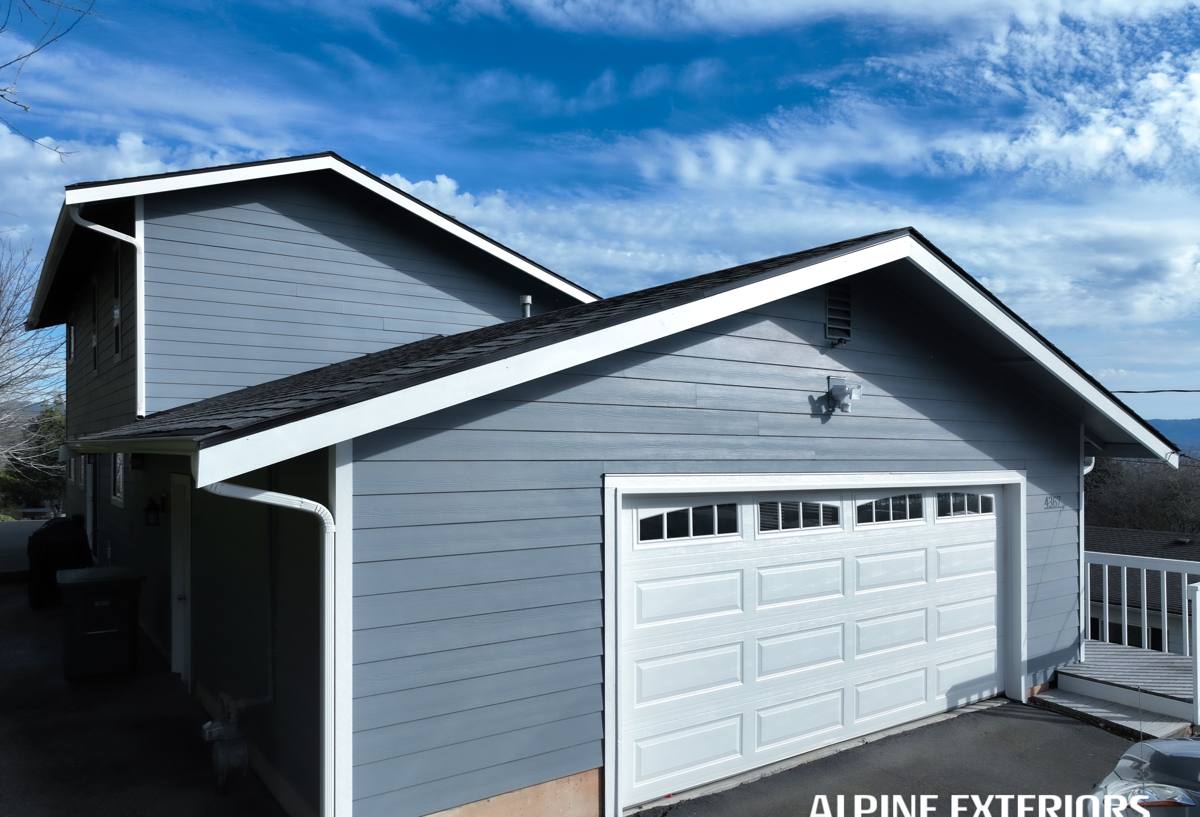
What Palm Harbor's Weather Does to a Roof Over Time
Hurricane and Tropical Storm Winds
Palm Harbor is exposed to the same tropical systems that move through the rest of the Gulf coast, and even storms that never make a direct landfall here can produce sustained winds and gusts strong enough to lift improperly fastened shingles or tile. Wind doesn't just push down on a roof — it creates uplift at the edges, ridges, and corners, which is exactly where most storm damage starts. A roof that's installed to code, with the correct fastening pattern and edge details, resists that uplift. One that's installed with shortcuts often looks fine for a few years and then fails at the first real test.
Year-Round UV Exposure
Central Florida gets a level of sun exposure that most manufacturers' roofing products are tested against but that still shortens real-world lifespan compared to roofs in milder climates. UV breaks down the oils and resins in asphalt shingles, causing granule loss and brittleness years before the rated lifespan is up. Lighter-colored or reflective roofing materials handle this better and can also reduce attic heat gain, which matters for cooling costs in a Palm Harbor summer.
Wind-Driven Rain
Rain that falls straight down is easy for any roof to handle. Rain that's being driven sideways under wind pressure is a different problem — it can work its way under shingle tabs, through poorly sealed flashing, and into fastener penetrations that would otherwise never see standing water. This is why underlayment choice and flashing detail work matter as much as the visible roofing material itself.
Salt Air and Coastal Corrosion
Palm Harbor's proximity to the Gulf and to Lake Tarpon means salt-laden air is a constant, low-level presence even away from the immediate waterfront. Salt accelerates corrosion in exposed metal — nails, flashing, vent stacks, and fasteners — long before it visibly affects the roofing material on top of them. A roof built with standard-grade fasteners in a coastal-adjacent area can develop hidden corrosion issues well before the shingles or tiles themselves show wear.
Choosing the Right Roofing System for Palm Harbor Homes
Palm Harbor's housing stock is a mix of established ranch-style homes, canal and lake-adjacent properties, and newer construction, and the right roofing material depends on the home's structure, roof pitch, and the owner's priorities around cost, longevity, and appearance. Here's how the common options compare against the specific stresses this area puts on a roof.
| Roofing Material | Wind Performance | UV / Heat Handling | Salt Air Durability | Typical Lifespan |
|---|---|---|---|---|
| Architectural asphalt shingle | Strong when rated and installed correctly | Good; granule coating resists UV, gradual wear over time | Good with coated/stainless fasteners | 20-30 years |
| Concrete or clay tile | Excellent when properly fastened; heavy and wind-resistant | Excellent; UV has little effect on tile itself | Very good; tile itself doesn't corrode | 40-50+ years |
| Standing seam metal | Excellent; few exposed fasteners, strong panel interlock | Excellent; reflective finishes reduce heat gain | Depends on coating; marine-grade coatings needed near the coast | 40-60 years |
There's no single "best" material for every Palm Harbor home — a heavier tile roof needs a structure rated to carry that weight, while metal carries a higher upfront cost that pays off in longevity. Part of an honest estimate is telling you which options actually make sense for your roof structure and budget, not just selling the highest-margin product.
What a Correct New Roof Installation Actually Involves
Tear-Off and Deck Inspection
A full tear-off removes the old roofing material down to the deck, which is the only way to actually see what's underneath. Water damage, soft or rotted decking, and old flashing problems are invisible from the surface and get covered up rather than fixed if a crew installs over an existing roof. Any damaged decking gets replaced before anything new goes on — this is also the point where under-fascia rot or ventilation problems, if any, get caught.
Underlayment and Water Barrier
Given how much wind-driven rain this area sees, underlayment choice matters more here than in a drier inland climate. A synthetic or self-adhering underlayment, with self-sealing membrane at eaves, valleys, and other vulnerable transitions, gives the deck a real secondary water barrier if wind ever drives moisture past the primary roofing material.
Fastening and Wind Rating
Shingles, tile, and metal panels all have wind ratings that depend directly on the fastening pattern used during installation — nail count, placement, and type. Florida Building Code sets minimum requirements based on the local wind speed zone, and Pinellas County enforces those requirements through the permitting and inspection process. Installing to the correct pattern, rather than a faster minimum-effort pattern, is the difference between a roof that survives a wind event and one that doesn't.
Flashing, Ventilation, and Edge Details
Most roof leaks don't happen in the open field of the roof — they happen at penetrations, valleys, chimneys, skylights, and roof-to-wall transitions where flashing does the actual water-shedding work. Proper attic ventilation also matters in this climate: it keeps the underside of the deck cooler and drier, which extends the life of the roofing material above it and helps control attic heat in the summer months.
Permitting, Inspections, and Florida Building Code in Pinellas County
A new roof installation in Palm Harbor requires a permit through Pinellas County, along with the inspections that go with it — typically an in-progress inspection before the roofing material goes down and a final inspection once the job is complete. This isn't paperwork for its own sake: the inspection confirms the deck, underlayment, and fastening actually meet the wind-speed requirements set for this area under the Florida Building Code. A permitted, inspected roof also gives you a clean paper trail for insurance and for resale, which an unpermitted "handshake" roof job never provides.
Roof Age, Wind Mitigation, and Florida Homeowners Insurance
Florida's insurance market has gotten stricter about roof age and condition, and a lot of Palm Harbor homeowners end up replacing a roof not because it's actively leaking, but because it's approaching the age where insurers start requiring replacement or non-renewing coverage. A new roof installation is also the point to get a wind mitigation inspection done — documenting things like roof-to-wall connections, secondary water barrier, and impact resistance can qualify the home for meaningful homeowners insurance discounts. It's worth asking your installer to make sure the finished roof is set up to pass that inspection cleanly.
Our Process for a Palm Harbor Re-Roof
- On-site inspection and honest assessment — we look at the current roof, attic ventilation, and deck condition, and tell you plainly whether you need a full replacement or whether a repair is a legitimate option.
- Material and system selection — we go over shingle, tile, and metal options based on your roof structure, budget, and how long you plan to stay in the home.
- Permitting — we pull the Pinellas County permit and schedule inspections so the job is fully documented from the start.
- Tear-off and deck repair — full removal of the old roof, with any damaged decking replaced before installation begins.
- Underlayment, flashing, and installation — installed to the fastening pattern and wind rating required for this area, with attention to every valley, penetration, and edge.
- Final inspection and walkthrough — the county inspection is completed, and we walk the finished roof with you before calling the job done.
Why a Crew That Already Works Palm Harbor Matters
Roofing rules and risk don't stop at the Clearwater city line, and a contractor who mainly works elsewhere in the county doesn't always know Palm Harbor's specific mix of older homes, lake and canal-adjacent properties, and the local permitting office's expectations. A crew that regularly works this area knows the common structural quirks in its older housing stock, moves faster through Pinellas County permitting because the process is familiar, and can respond quickly if storm damage needs an emergency tarp or repair before a full replacement can be scheduled. That local familiarity shows up in fewer surprises during tear-off and a smoother inspection process from permit to final sign-off.
Questions to Ask Before You Hire
A new roof is a major investment, and a legitimate contractor should have straightforward answers to all of the following before you sign anything:
- Are you licensed to work in Florida, and can you provide proof of general liability and workers' compensation insurance?
- Will you pull the permit yourself through Pinellas County, or is that left to the homeowner?
- What underlayment and fastening pattern will be used, and does it meet the wind rating required for this area?
- Will damaged decking be replaced as part of the base price, or billed separately if found?
- What's covered under the manufacturer's material warranty versus your workmanship warranty, and for how long?
- Can the finished roof be set up to qualify for a wind mitigation insurance inspection?
If a contractor is vague or evasive on any of these, that's worth treating as a warning sign before you commit.
If your Palm Harbor roof is aging, showing granule loss, or you're just trying to get ahead of the next storm season, we're happy to take a look and give you a straight answer about what it actually needs. Reach out using the form below for a free, no-pressure estimate.