 Clearwater Roofing
 Siding Replacement for Safety Harbor Homes
Safety Harbor sits along Old Tampa Bay in Pinellas County, close enough to open water that homes here take a steady beating from salt-laden air even on calm days. Add in Florida's intense year-round UV exposure, the wind-driven rain that comes with our summer storm pattern, and the occasional hurricane-force gust, and it's easy to see why siding in this part of Clearwater's service area wears out faster than the same product would in a drier, cooler climate. If your siding is cupping, cracking, holding moisture, or just looking chalky and tired, a full replacement is usually the more honest fix compared to another round of patch-and-paint.
We install siding across the greater Clearwater area, and Safety Harbor's mix of older bayfront cottages, mid-century ranch homes, and newer infill construction means we see a wide range of existing siding conditions — old lap wood, deteriorating vinyl, and aging fiber cement that was never detailed correctly at the seams. What we install as the replacement, in every case, is James Hardie fiber cement siding. We don't offer vinyl, LP SmartSide, or unfinished wood siding as options, and we'll explain why below.
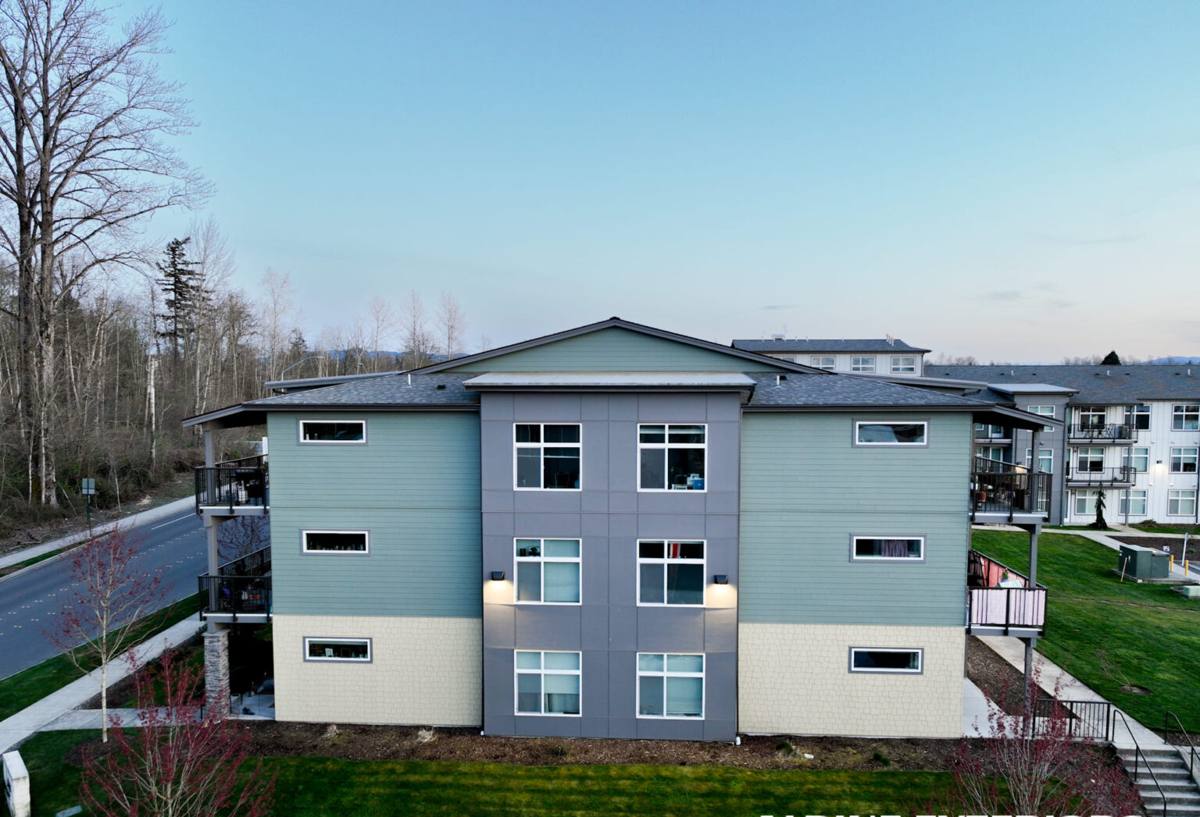
What Safety Harbor's Climate Actually Does to Siding
Salt Air and Humidity
Proximity to Old Tampa Bay means airborne salt settles on exterior surfaces and accelerates corrosion of fasteners, trim hardware, and any siding material that isn't dimensionally stable when it absorbs moisture. Humidity that rarely drops keeps siding damp longer after rain, which is exactly the condition that lets mold, mildew, and wood rot take hold behind and within the material itself.
UV Exposure
Florida sun is harder on exterior finishes than most manufacturers' national warranties assume. Paint film breaks down faster, colors fade unevenly depending on sun exposure per elevation, and some siding substrates become brittle under sustained heat and UV, which shows up as cracking at fastener points and panel edges.
Wind-Driven Rain and Storm Gusts
Pinellas County sees wind-driven rain that gets forced sideways into laps, seams, and butt joints — the exact places where a siding installation is either done right or starts failing. During tropical systems, wind loads test every fastener and every piece of flashing. Siding that wasn't installed to manufacturer spec, or that uses fastening patterns rated for calmer climates, is where storm damage concentrates first.
Why We Only Install James Hardie in This Area
We get asked regularly why we don't offer vinyl siding, LP SmartSide, or budget fiber cement alternatives like Cemplank or Allura. The honest answer is that we've made a professional judgment call based on how these products perform specifically in Gulf Coast conditions over the long run, not a claim that they're unusable everywhere.
- Vinyl siding can soften and warp in sustained high heat, and its impact resistance and wind ratings vary widely by product tier — in a hurricane-exposed county, that's a gamble we don't want to make on a homeowner's behalf.
- LP SmartSide is an engineered wood product, and any wood-based substrate in a humid, salt-air coastal environment carries a higher moisture-management burden. Get an installation detail wrong — caulking, flashing, ground clearance — and wood-based siding is far less forgiving than fiber cement.
- Unfinished or primed wood (spruce, cedar) demands a maintenance schedule most homeowners don't keep up with, and Florida's UV and humidity combination punishes any lapse in that schedule quickly.
- Generic fiber cement without a factory-baked finish still needs field painting, which means the coating is only as good as the installer's paint job and the maintenance cycle that follows.
James Hardie fiber cement is non-combustible, engineered specifically for humid climates through its HZ5 product line, and comes with a factory-applied ColorPlus finish that's baked on rather than field-painted — which matters enormously under Pinellas County sun. It resists moisture intrusion, holds up to salt air better than wood-based alternatives, and carries a strong transferable warranty when installed to Hardie's published specifications. That combination is why it's the only siding system we put on homes.
What a Correct Siding Replacement Involves
Full Tear-Off, Not Overlay
We remove existing siding down to the sheathing rather than installing over it. Covering old siding traps moisture and hides problems that need to be addressed before new material goes up — it's a shortcut that costs homeowners later.
Sheathing and Substrate Inspection
Once the old siding is off, we inspect the sheathing for rot, delamination, or storm damage that was hidden underneath. In a coastal climate like Safety Harbor's, it's common to find some degree of moisture damage at wall penetrations, corners, and lower wall sections, especially on older homes.
Weather-Resistive Barrier and Flashing
A correctly installed water-resistive barrier and properly integrated flashing around windows, doors, and penetrations is what actually keeps wind-driven rain out — the siding itself is the second line of defense, not the first. This step gets rushed on low-bid jobs and it's where most premature siding failures start.
Installation to Manufacturer Spec
James Hardie publishes specific fastening patterns, clearances, and gapping requirements for high-wind, coastal climate zones. Following them exactly is what keeps the product's warranty valid and what actually gives it the wind and moisture performance it's engineered for. This includes proper ground clearance, correct nail placement, and sealed joints at seams and trim.
Local Siding Replacement Checklist
- Confirm the current siding failure mode — moisture damage, storm damage, or just cosmetic wear — before deciding on full replacement versus repair
- Verify sheathing condition once old siding is removed, not just from a visual exterior inspection
- Confirm the installer is following manufacturer-published fastening and clearance specs for your wind zone
- Ask specifically about flashing details at windows, doors, and any wall penetrations
- Choose a ColorPlus factory finish rather than field-applied paint for long-term color and coating performance
- Get warranty terms in writing, including what's required to keep the warranty transferable if you sell the home
Our Process for Safety Harbor Projects
We start with an on-site inspection and a straightforward conversation about what condition your current siding is actually in, not a generic sales pitch. From there we walk through Hardie's product lines and color options, provide a written estimate, and schedule the tear-off and installation. Because we work this area regularly, we're familiar with the permitting expectations in Pinellas County and the wind-load considerations that apply to homes this close to the bay.
During installation, we manage tear-off, disposal, substrate repair where needed, weather barrier and flashing installation, and the Hardie siding install itself as one coordinated job — not a patchwork of subcontractors with no accountability for how the pieces fit together.
Cost Factors for Siding Replacement
Every home is different, but the factors below are what actually move the price on a Safety Harbor siding replacement. We avoid quoting invented price ranges here — your estimate will reflect your home's specifics.
| Factor | Why It Matters |
|---|---|
| Home size and wall complexity | More square footage and more corners, gables, and trim details mean more material and labor |
| Existing substrate condition | Rotted or damaged sheathing found during tear-off requires repair before new siding goes on |
| Siding profile and Hardie product line | Lap width, shingle-style panels, and board-and-batten each have different material and labor costs |
| ColorPlus finish selection | Factory-finished color options vary in cost versus primed panels intended for field painting |
| Trim and accessory scope | Full trim replacement alongside siding adds cost but ensures a consistent moisture barrier and finished look |
| Access and site conditions | Landscaping, multiple stories, or tight lot lines can affect labor time |
Why Hiring a Crew That Works This Area Matters
Siding installation isn't uniform across Florida, let alone the country. A crew that regularly works Clearwater and Pinellas County homes understands the specific combination of salt exposure, humidity, and wind load that Safety Harbor properties deal with, and installs accordingly — correct fastening patterns for the wind zone, attention to flashing details that matter most in wind-driven rain, and material choices suited to sustained coastal humidity. A crew unfamiliar with these conditions may install siding correctly by a generic national standard and still see it underperform here within a few years.
We also stand behind our work locally, which means if a question comes up after installation, you're dealing with a company that's actually present in your area, not a name that did one job and moved on.
Signs Your Safety Harbor Home May Need Siding Replacement
- Visible cracking, warping, or buckling in siding panels
- Soft spots or discoloration that suggest moisture has gotten behind the siding
- Paint that's peeling, chalking heavily, or fading unevenly by elevation
- Gaps opening up at seams, corners, or trim joints
- Rising energy bills that may point to a compromised weather barrier
- Visible storm damage after high wind events
If you're seeing any of these signs on your Safety Harbor home, it's worth getting a professional look before the underlying structure is affected. We offer free, no-pressure estimates — use the form below to schedule a time for us to take a look and walk you through what we find and what your options are.