 Clearwater Roofing
 Windows Built for Safety Harbor's Climate, Not Just Any Florida Climate
Safety Harbor sits along the water on Pinellas County's stretch of the Tampa Bay coastline, which means homes here take on a specific combination of stresses that inland houses don't deal with nearly as much. You've got hurricane-force wind gusts during storm season, wind-driven rain that gets pushed sideways into window frames, salt-laden air that eats away at hardware and finishes year-round, and relentless UV exposure that breaks down seals, glazing, and vinyl faster than most homeowners expect. Any one of these on its own is manageable. All four, working on the same window openings every single day, is why window installation in this part of Clearwater has to be treated differently than a standard remodel job.
A window that looks fine on day one can fail in ways that aren't obvious until the next big storm — water intrusion around a poorly flashed opening, a frame that's warped just enough to lose its seal, or glazing that's degraded from UV exposure and no longer performs the way it did when it was installed. Correct installation is what determines whether a window actually holds up to a Gulf Coast storm season or just looks good until the first one.
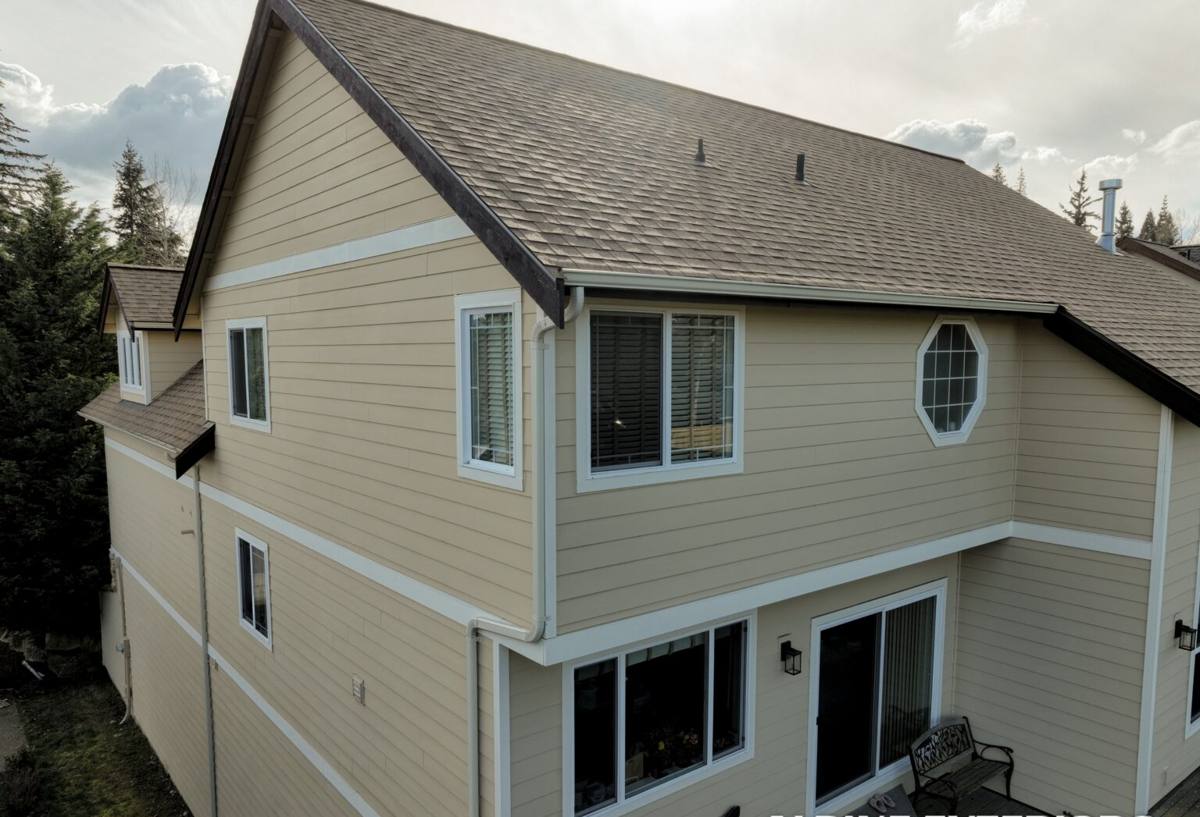
What "Correct" Window Installation Actually Involves
Window installation is often sold as a measure-cut-caulk job. It isn't. The window unit itself is only part of the equation — how it's integrated into the wall assembly is what actually keeps water and wind out. A proper installation in this climate includes:
- Removing the old window down to the rough opening and inspecting the framing and sill for hidden rot or water damage before anything new goes in
- Correcting any out-of-square or out-of-level openings so the new window isn't forced into a shape it wasn't built for
- Installing sill pan flashing so any water that does get past the exterior seal has somewhere to drain instead of soaking into the wall
- Proper integration of flashing tape or building wrap around the opening, lapped correctly so water sheds outward and down, not into the wall cavity
- Continuous, correctly sized shims so the window frame carries load evenly and doesn't rack under wind pressure
- Low-expansion foam and backer rod at the right points, with sealant that's rated for exterior exposure and UV — not general-purpose caulk
- Fastening to manufacturer and code-required schedules, not "close enough" spacing
Skip any one of these steps and the window itself doesn't matter much — a top-tier impact window installed into a poorly flashed, poorly shimmed opening will leak and underperform, while a mid-grade window installed correctly will often outlast it.
Why This Matters More Near the Water
Homes closer to Tampa Bay see more direct wind exposure and more airborne salt than homes further inland in Pinellas County. Salt accelerates corrosion on hardware, screws, and hinges, and it settles into seals and gaskets over time. That's part of why fastener choice and sealant quality matter as much as the window brand itself — cutting corners on either is where premature failures start.
Impact-Rated vs. Standard Windows: What's the Real Difference
One of the first decisions for a Safety Harbor homeowner is whether to install impact-rated windows or standard windows paired with separate storm protection (shutters or panels). Both approaches can meet code, but they perform differently day to day.
| Factor | Impact-Rated Windows | Standard Windows + Shutters |
|---|---|---|
| Storm prep required | None — always in place | Must be installed before every storm |
| Daily UV/noise performance | Laminated glass cuts UV and outside noise | Standard glass, no added UV/noise benefit |
| Upfront cost | Higher per opening | Lower window cost, added shutter/panel cost |
| Insurance considerations | May qualify for wind mitigation credits | Shutters can also qualify, if code-rated |
| Appearance | No exterior hardware needed | Shutter tracks or panel brackets visible |
| Long-term upkeep | Glass and frame only | Shutter hardware needs separate maintenance |
There's no universal right answer — it depends on the home, the budget, and how much the homeowner wants to manage before every storm watch. What matters is that whichever route is chosen, the product actually carries the wind and impact rating required for this part of Pinellas County, not just a rating from a different wind zone.
Signs Your Windows Are Due for Replacement
Not every window problem is obvious from inside the house. Some of the clearest signs it's time to have windows evaluated in a Safety Harbor home include:
- Fogging or moisture trapped between panes of double-pane glass — a sign the seal has failed
- Visible daylight or drafts around the frame when the window is closed
- Difficulty opening, closing, or locking a window that used to operate smoothly
- Soft or discolored framing/drywall near the window after heavy rain events
- Chalky, faded, or pitted exterior frames from years of UV and salt exposure
- Rising energy bills without another clear explanation
- Visible gaps in old caulk or sealant lines around the exterior trim
Any of these on their own is worth a look. Several at once usually means the window and its installation are both due for an upgrade, not just a repair.
Our Window Installation Process
The process we follow on Safety Harbor homes is built around getting the opening right before the window ever goes in:
- On-site assessment — we inspect existing windows, framing, and any water damage or settling around each opening, and measure for accurate, home-specific sizing rather than assuming a standard fit.
- Product selection — we walk through frame material, glass package, and impact rating options based on the home's exposure, budget, and how the homeowner wants to handle storm prep.
- Removal and opening prep — old units come out cleanly, and we address any rot, damaged sheathing, or out-of-square framing before the new window is set.
- Flashing and sealing — sill pans, flashing tape, and sealants go in following manufacturer specs, prioritizing drainage and water management, not just a visual seal.
- Installation and fastening — windows are shimmed, leveled, and fastened to spec, then checked for square and smooth operation before final sealing.
- Final inspection and cleanup — we walk the job with the homeowner, confirm every window operates and locks correctly, and make sure the site is left clean.
Frame Materials and Glass: What Actually Holds Up Here
Vinyl, aluminum, and fiberglass all have a place, but they don't perform identically under constant sun and salt exposure. Vinyl is widely used and cost-effective, but quality varies a lot between manufacturers — reinforced, UV-stabilized vinyl holds up; cheaper vinyl can warp or discolor faster in direct Florida sun. Aluminum is strong and slim-profile but needs a good thermal break and corrosion-resistant coating to hold up to salt air. Fiberglass costs more but tends to resist warping and fading the longest with the least maintenance.
On glass, Low-E coatings and laminated impact glass both help cut heat gain and UV transmission — a real factor in Clearwater's year-round sun exposure, not just a hurricane-season consideration. We talk homeowners through these trade-offs honestly rather than defaulting to whichever product carries the widest margin, because the right choice depends on sun exposure, budget, and how exposed the home is to wind-driven rain.
Permits, Wind Load, and Local Code
Window installation in Pinellas County isn't a swap-and-go job from a permitting standpoint. Products have to carry the correct Design Pressure (DP) rating and, depending on the home's location and construction, may fall under High-Velocity Hurricane Zone-adjacent wind-load requirements enforced through the county's building department. Permits and inspections exist to confirm the installed product and installation method actually match what the structure needs — not just that a window was installed.
We handle the permitting and inspection process as part of the job, which matters for two practical reasons: it protects the homeowner if there's ever an insurance claim tied to storm damage, and it avoids problems down the road when the home is sold and a buyer's inspector checks for permitted work.
Why Local Experience in Safety Harbor Matters
A crew that regularly works this part of Pinellas County already knows what these homes tend to run into — the kind of framing common in older construction, how sun exposure differs on bay-facing versus inland sides of a house, and which installation shortcuts show up as leaks two or three years later instead of on day one. That's not something you get from a crew that mostly works inland counties with a different wind zone and a different set of problems.
It also means fewer surprises during the permitting process, because we're used to the standards the local building department actually enforces, not just generic statewide code minimums.
Get a Straight Answer on Your Windows
If you're dealing with drafts, fogged glass, water intrusion, or you're just planning ahead before the next storm season, we're happy to take a look and give you an honest read on what your Safety Harbor home actually needs — no pressure, no upsell. Fill out the form below to schedule a free estimate.