 Clearwater Roofing
 Why Seminole Homeowners Are Choosing Metal Roofing
Seminole sits in the thick of what Pinellas County throws at a roof every year: long stretches of intense UV, sudden wind-driven downpours, and salt-laden air pulled in off the Gulf and Tampa Bay. Add hurricane season into the mix, and a roof here isn't just covering the house — it's the single biggest factor in whether the rest of the structure stays dry and intact during a bad storm. More homeowners in this area are looking at metal roofing not because it's trendy, but because the material lines up well with what the local climate actually demands: high wind resistance, a reflective surface that pushes back against constant sun exposure, and a service life that can outlast two or three asphalt shingle roofs.
That said, metal roofing is not a simple swap-and-go product. Done right, it's one of the most durable options available for a Seminole home. Done wrong — wrong fastening pattern, wrong underlayment, ignored coastal corrosion factors — it can fail faster and more expensively than the shingle roof it replaced. This page is about what a correct metal roof installation looks like for a home in this specific area, and what to expect from a contractor who actually understands the conditions here.
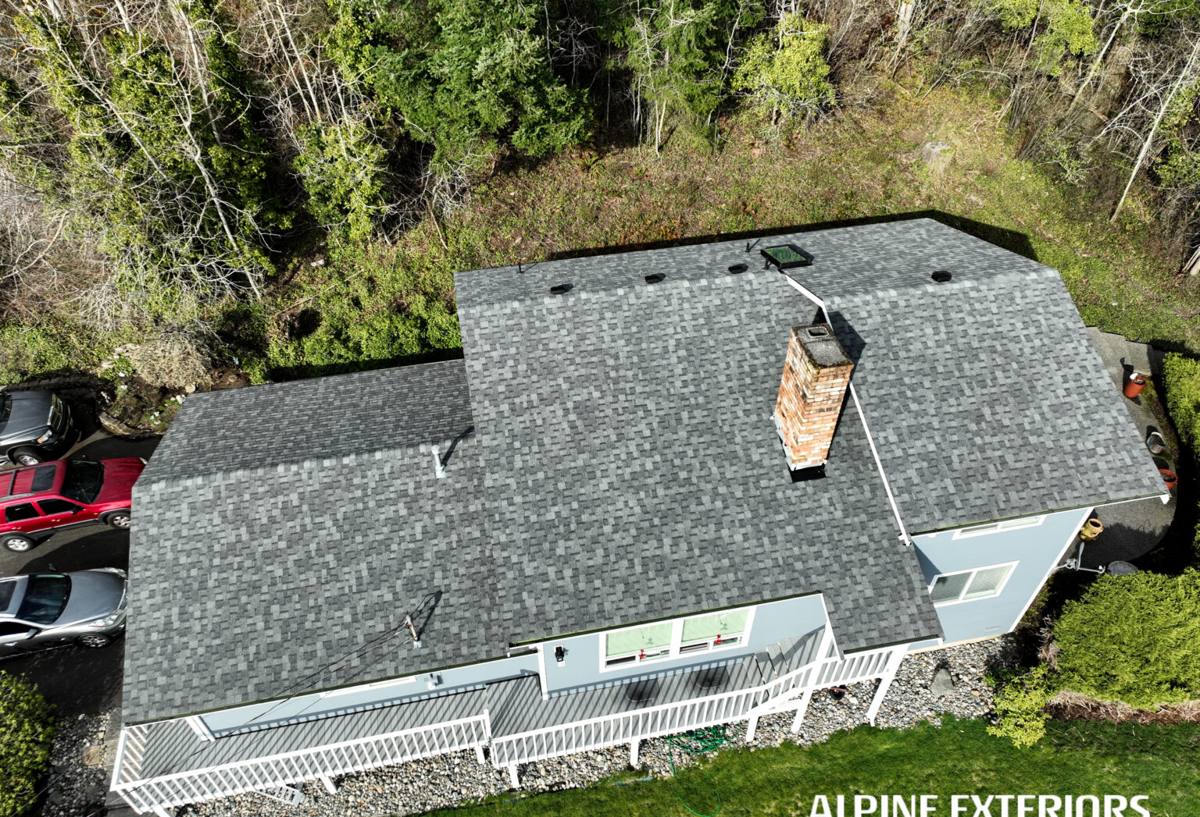
What Seminole's Climate Demands From a Metal Roof
Wind Uplift
Seminole homes need to meet wind resistance standards that reflect Pinellas County's hurricane exposure. For metal roofing, that comes down to two things: the panel system itself and how it's fastened. Standing seam panels with concealed clips generally perform better in high-wind uplift testing than exposed-fastener panels, because there are no screw penetrations for wind to work against over time. Fastener spacing, clip type, and deck attachment all matter more than the panel's gauge or finish — a thin panel installed correctly will often outperform a thick one installed carelessly.
UV and Heat
Central Florida sun is relentless, and a dark, non-reflective roof surface can push attic temperatures well beyond what's comfortable or efficient. Metal roofing with a quality reflective coating handles this better than most materials — it reflects a significant share of solar heat rather than absorbing it, which takes some pressure off cooling systems during the hottest months. The coating quality matters here; a cheap paint system will chalk and fade years before a proper Kynar or comparable finish shows wear.
Wind-Driven Rain
Florida storms rarely drop rain straight down. Wind pushes it sideways and up under laps, seams, and flashing details, which is where most roof leaks actually start — not in the field of the roof, but at penetrations, valleys, and edges. A metal roof's leak resistance depends almost entirely on flashing and seam detail work, not the panel material itself.
Salt Air and Corrosion
Seminole isn't oceanfront, but it's close enough to the Gulf and Tampa Bay that airborne salt is a real factor for metal components. Not every metal roofing product handles that equally well. Fastener material, panel coating, and even the type of underlying metal (steel vs. aluminum) all affect how a roof holds up to years of salt exposure. This is a detail worth discussing directly with whoever is installing your roof, because the wrong material choice in a coastal-influenced area can lead to premature corrosion at fastener heads and cut edges.
What a Correct Metal Roof Installation Actually Involves
A metal roof is only as good as the system underneath it. The visible panels get all the attention, but the layers below are what actually determine whether the roof performs over its full lifespan.
- Deck inspection and repair — Any soft, rotted, or delaminated decking gets replaced before anything else happens. Installing over a compromised deck undermines the whole system.
- Underlayment — A high-temperature-rated synthetic or self-adhered underlayment is used, matched to the metal roofing manufacturer's requirements. Metal roofs run hotter than shingle roofs, so standard felt underlayment isn't appropriate underneath them.
- Flashing at every penetration — Chimneys, vents, skylights, and wall transitions all need custom-fitted flashing, not generic trim pieces stretched to fit.
- Panel fastening to spec — Clip spacing and fastener type follow the manufacturer's wind-rated installation pattern, not a generalized "close enough" approach.
- Edge and valley detail — Drip edges, valleys, and ridge caps are where wind-driven rain tests a roof hardest, so these get extra attention rather than being treated as an afterthought.
- Ventilation — Proper attic ventilation keeps heat and moisture from building up under the panels, which protects both the roof system and the underlayment beneath it.
Panel Types: What Fits a Seminole Home
| Panel Type | Wind Performance | Best Fit | Maintenance Consideration |
|---|---|---|---|
| Standing Seam (concealed fastener) | Strongest — no exposed screws for wind to loosen | Homes prioritizing long-term wind and leak resistance | Lowest long-term maintenance; higher upfront cost |
| Exposed-Fastener Panel | Good, but fastener seals need periodic checking | Budget-conscious projects, outbuildings, additions | Fastener gaskets should be inspected periodically over the roof's life |
| Metal Shingle/Shake Profile | Strong when installed with correct interlocking pattern | Homeowners wanting a traditional look with metal's durability | Detail-sensitive installation; contractor experience matters more here |
We evaluate which profile fits a given home based on roof pitch, HOA or neighborhood aesthetic considerations, and budget — not a one-size-fits-all recommendation.
Our Process for Seminole Metal Roofing Projects
1. On-Site Inspection and Honest Assessment
We start by looking at the existing roof, deck condition, and any specific trouble spots — valleys, chimneys, past leak history. This is also when we talk through whether metal is genuinely the right fit for the home, not just the more expensive option.
2. Written Scope and Straightforward Pricing
You get a clear breakdown of what's included — deck repair allowances, underlayment type, panel profile, flashing detail, and cleanup — before any work starts. No vague line items.
3. Permitting
Reroofing work in Pinellas County requires permitting and inspection. We handle that process as part of the job so it's not left for the homeowner to navigate.
4. Installation
Deck repair, underlayment, flashing, and panel installation proceed in that order, with attention to the wind and moisture details covered above rather than rushing to get panels up.
5. Final Walkthrough
Before we consider the job done, we walk the roof and the property with you, review the work, and make sure everything — gutters, landscaping, driveway — was left the way we found it.
Why It Matters That Your Crew Already Works in Seminole
A roofing crew that regularly works in Seminole and the surrounding Clearwater area already knows the local permitting process, has a working sense of how homes in this area are built, and has already seen how different roofing systems hold up locally over years — not just in a manufacturer's spec sheet. That local track record shows up in practical ways: knowing which flashing details actually need reinforcing for wind-driven rain in this area, understanding realistic timelines around Pinellas County inspections, and being available if a storm surfaces an issue after the fact rather than being a one-time out-of-town install crew.
It also matters for warranty support. Manufacturer warranties on metal roofing systems are often tied to correct installation by a qualified installer — if something goes wrong, having a local, accountable contractor who stands behind their own workmanship matters as much as the material warranty itself.
Signs Your Current Roof May Be Ready for a Metal Upgrade
- Frequent granule loss or visibly aging shingles, especially after repeated storm seasons
- Rising cooling costs that track with roof age and condition
- Past wind damage, even if it was repaired rather than replaced
- A roof approaching or past the effective service life of asphalt shingles in this climate
- Interest in a lower-maintenance, longer-term roofing investment before your next major storm season
What This Costs — and What Drives the Price
Metal roofing costs more upfront than asphalt shingles, and pricing varies based on several factors specific to your home and the scope of work. Rather than quoting a number that won't match your actual roof, here's what actually moves the price:
| Factor | Why It Affects Cost |
|---|---|
| Panel type (standing seam vs. exposed-fastener) | Concealed-fastener systems cost more in material and labor but reduce long-term maintenance |
| Roof complexity | Valleys, dormers, and multiple roof planes require more flashing work and labor time |
| Deck condition | Rot or delamination discovered during tear-off adds repair cost not visible from the ground |
| Coating and gauge | Heavier gauge metal and higher-grade reflective coatings cost more but last longer |
| Roof pitch and access | Steep or hard-to-access roofs take longer and require more safety setup |
We give you a firm, itemized number after the on-site inspection — not a ballpark that changes once work starts.
If you're weighing metal roofing for your Seminole home, we're happy to take a look and walk you through what your specific roof needs — no pressure, no obligation. Use the form below to request a free estimate.