 Clearwater Roofing
 Windows Built for Seminole's Coastal Climate
Seminole sits close enough to the Gulf that its homes take on the same coastal stresses as the rest of Pinellas County: hurricane-force wind loads during storm season, wind-driven rain that gets pushed sideways into any gap in a window's seal, intense year-round UV that breaks down seals and finishes faster than it would inland, and a steady drift of salt air that corrodes hardware and frames not built to handle it. None of these are occasional problems — they're the everyday operating conditions for a window in this part of Florida.
That means window installation here isn't just about picking a style and setting it in the opening. The product has to be rated for local wind pressures, the installation has to seal correctly against wind-driven rain, and the materials have to hold up to salt exposure and UV without breaking down in a few years. A window that would be perfectly fine in a drier, calmer climate can underperform quickly in Seminole if it's the wrong product or it's installed without the right flashing and sealing details.
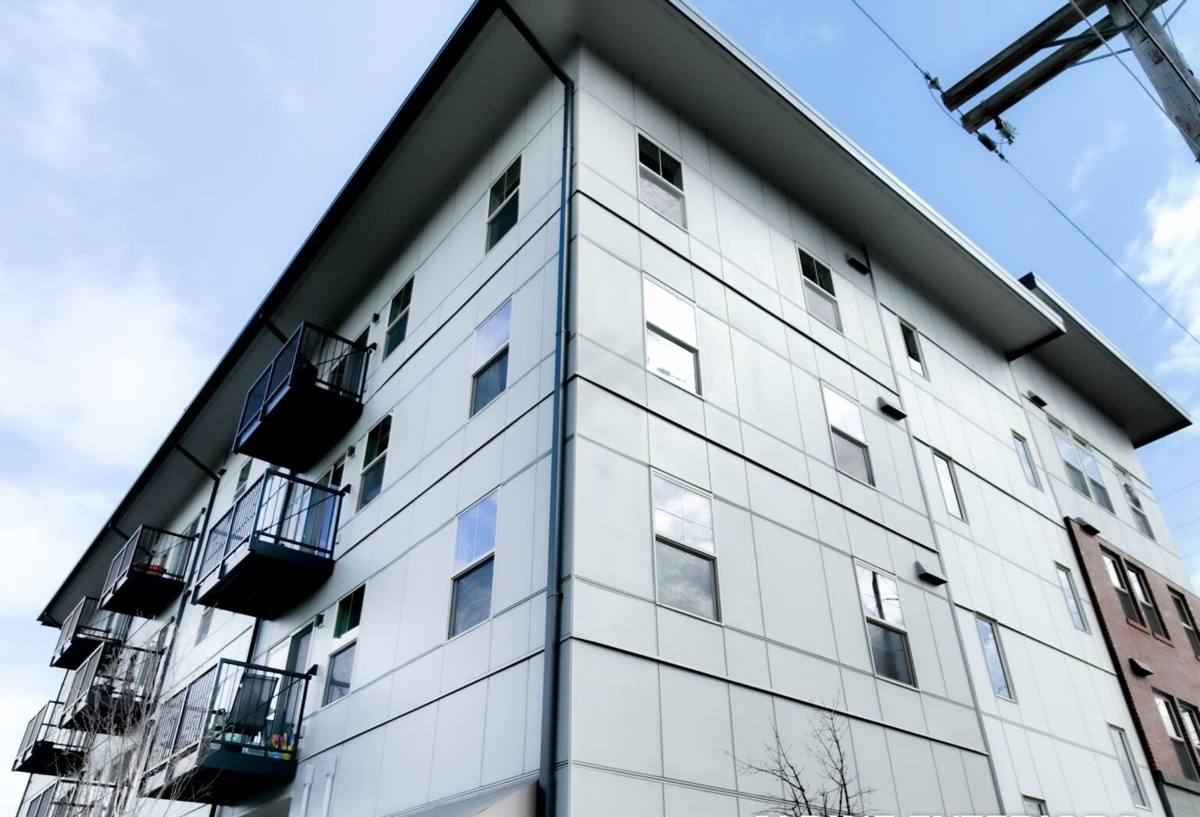
Signs It's Time to Replace Your Windows
Homeowners usually notice window problems gradually, which is why many older homes end up with windows well past their useful life before anyone acts. Common signs worth paying attention to include:
- Fogging or moisture between panes on double-glazed windows, which means the seal has failed
- Windows that are difficult to open, close, or lock, often from swollen or warped frames
- Visible gaps, cracking caulk, or soft spots in the surrounding trim
- Noticeable drafts or a rise in cooling bills without another clear cause
- Condensation or staining on interior walls near the window frame, which can point to water intrusion
- Chalky, faded, or pitted frame finishes from years of sun and salt exposure
Any one of these on its own might just need a repair. Several at once, or visible water staining, usually means it's time to talk about replacement before the damage spreads to the surrounding wall structure.
What Correct Window Installation Actually Involves
The window unit itself is often the easiest part of the job to get right — most manufacturers build a solid product. Where installations succeed or fail is in the details around the window: how the opening is prepared, how the unit is flashed, and how it's sealed against the wall assembly. In a climate that regularly pushes rain sideways during storms, a window that isn't properly flashed and sealed will eventually leak, regardless of how good the window itself is.
Opening Preparation
Before a new window goes in, the rough opening needs to be checked for square, level, and soundness. Any rot, damaged framing, or compromised sheathing found at this stage needs to be addressed first — installing a new window over a damaged opening just hides the problem temporarily.
Flashing and Water Management
Proper flashing directs any water that gets past the exterior finish back out and away from the wall cavity, rather than letting it collect around the window frame. This includes sill pan flashing, side and head flashing that integrates correctly with the house wrap or building paper, and a clear drainage path at the bottom of the opening.
Sealing and Fastening
Windows need to be fastened according to the manufacturer's specifications to meet their tested wind rating — skipping fasteners or using the wrong spacing can void a window's rating even if the product itself is rated for hurricane-force winds. Sealant needs to be applied at the correct points, not just around the visible exterior trim, and low-expansion foam or backer rod is used around the frame perimeter to control air and moisture without distorting the frame.
Impact-Rated vs. Standard Windows: What Seminole Homeowners Should Weigh
Not every home in Seminole requires impact-rated windows, but most homeowners in this area end up choosing them once they compare the trade-offs. The table below lays out the practical differences.
| Factor | Impact-Rated Windows | Standard Windows + Shutters |
|---|---|---|
| Storm protection | Built into the window itself, always in place | Requires separate shutters installed before each storm |
| Daily convenience | No prep needed before a storm | Manual or motorized shutter deployment each time |
| Upfront cost | Higher per-window cost | Lower window cost, added shutter cost |
| Insurance impact | May qualify for wind mitigation discounts | Discount depends on shutter type and rating |
| UV and noise reduction | Laminated glass cuts UV and outside noise | Standard glass, no added UV/noise benefit |
| Appearance | Clean look with nothing added to the exterior | Shutters visible or stored when not deployed |
Insurance premiums, personal risk tolerance, and how often you're home to deploy shutters before a storm all factor into which option makes more sense for a given house. We'll walk through your specific situation and current coverage during your estimate rather than pushing one option by default.
Frame Materials and Glass Options
Frame material matters more here than in a lot of the country because of the combination of UV, humidity, and salt air. Vinyl frames are a common, cost-effective choice and hold up well when the vinyl compound is UV-stabilized. Aluminum frames are strong and slim-profile but need a good thermal break and corrosion-resistant hardware near the coast. Fiberglass and composite frames cost more upfront but resist warping and UV degradation especially well over time.
On the glass side, most homeowners here benefit from low-E coated, insulated glass to manage solar heat gain, paired with laminated glass for impact resistance where that's the chosen path. The lamination is what actually provides the impact resistance — it holds the glass together on impact rather than letting it shatter apart, which is also what keeps the building envelope intact during a storm.
Our Window Installation Process
We keep the process straightforward and communicate clearly at each stage so there are no surprises:
- On-site assessment of your current windows, openings, and any visible water or structural issues
- Product selection based on your home's exposure, budget, and whether impact resistance is a priority
- Accurate measurement and ordering, since Florida code compliance depends on correctly rated, correctly sized units
- Removal of old windows and inspection of the opening for hidden rot or damage before anything new goes in
- Flashing, sealing, and setting the new window per manufacturer specifications and Florida Building Code fastening requirements
- Interior and exterior trim finishing to match your home
- Final walkthrough and cleanup, with everything tested for smooth operation and a tight seal
If we find rot or framing damage once the old window is out, we'll stop and explain what we're seeing before doing any repair — that's not an add-on we spring on you after the fact.
Permits, Codes, and Pinellas County Requirements
Pinellas County falls within Florida's High-Velocity Hurricane Zone influence and wind-borne debris region requirements, which means replacement windows generally need to meet specific wind pressure and impact standards under the Florida Building Code, and the work typically requires a permit and inspection. This isn't paperwork for its own sake — it's what ensures the product installed is actually rated for the wind loads a Seminole home will see, and it protects you if you ever file an insurance claim or sell the house. We handle the permitting and coordinate inspections as part of the job, so you're not left tracking down code requirements yourself.
Energy Efficiency and Florida Cooling Costs
Cooling costs are a year-round expense in this part of Florida, and older or poorly sealed windows are a common source of unnecessary heat gain. Modern insulated, low-E glass combined with a correctly sealed frame reduces the amount of solar heat entering the home and cuts down on air leakage around the frame — both of which show up as a real difference in how hard your HVAC system has to work. This is one area where a proper installation matters as much as the product spec: a good window with a poor seal will still leak conditioned air and let heat transfer around the frame.
Why a Crew That Already Works Seminole Makes a Difference
A crew that regularly works in Seminole and the surrounding Clearwater area already knows the local permitting process, the wind-borne debris region requirements that apply here, and the kinds of construction common to homes in this part of Pinellas County. That familiarity shows up in fewer surprises during the job — accurate expectations on timeline, correct product selection the first time, and permit paperwork that's filled out right rather than kicked back for corrections. It also means we're accountable locally: this is our service area, not a one-time job in a territory we don't otherwise work.
After Installation: Keeping Your Windows Performing
New windows are largely low-maintenance, but a little upkeep goes a long way in a salt-air, high-UV climate. A simple maintenance routine:
- Rinse frames and hardware periodically to remove salt residue, especially on homes closer to the water
- Check and clean weep holes so water can properly drain out of the frame
- Inspect exterior caulk and sealant annually and touch up if you see cracking or gaps
- Lubricate locks and hardware occasionally to keep operation smooth
- After any major storm, do a visual check for damaged screens, loose hardware, or compromised seals
Staying ahead of small maintenance items is what keeps a good installation performing well for its full expected lifespan, rather than developing the same seal or drainage problems that led to a replacement in the first place.
If your Seminole home has windows showing their age, or you're planning ahead of the next storm season, we're happy to take a look and walk you through honest options for your specific house. Reach out for a free, no-pressure estimate using the form below.