 Clearwater Roofing
 Windows Built for Sunset Point's Conditions
Sunset Point sits close enough to open water that homes here take a different beating than houses a few miles inland. Salt-laden air moves through the neighborhood constantly, UV exposure runs high nearly year-round, and when a storm tracks through Pinellas County, wind-driven rain gets pushed sideways into every gap, seam, and aging frame. Windows in this part of Clearwater don't just need to look good — they need to hold up against conditions that wear out standard products faster than most homeowners expect.
A "custom windows" job in Sunset Point isn't about picking a shape off a showroom wall. It means sizing, engineering, and installing windows to match the actual openings in your home, the wind loads your specific address is exposed to, and the realities of a coastal Florida climate — not a one-size-fits-all product pulled from a big-box aisle.
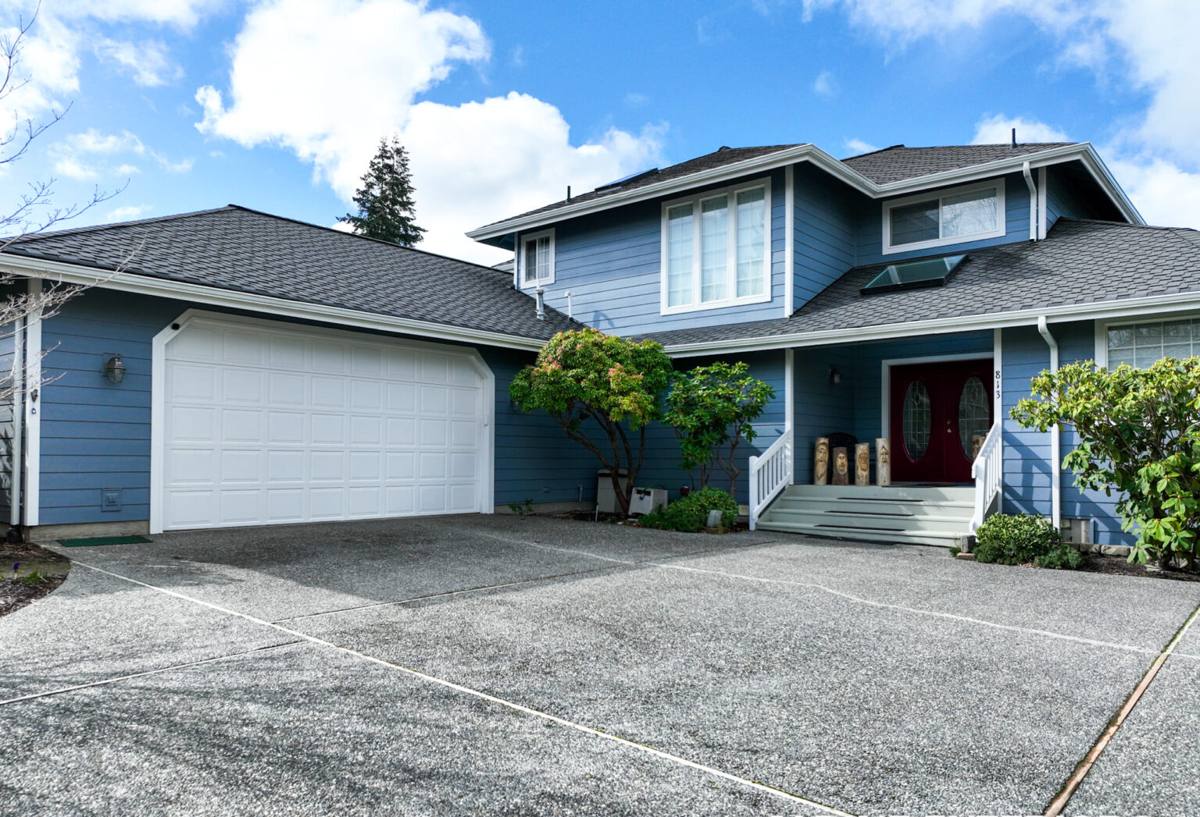
What "Custom" Actually Means Here
Most homes in Sunset Point were not built to a single, uniform set of window openings. Additions, prior remodels, and decades of settling mean actual rough openings often vary from what a stock window size assumes. Custom windows are manufactured to the precise dimensions of your existing openings, which matters for two reasons:
- A properly sized window seals correctly on the first install — no shimming, gapping, or forcing a near-fit product into place.
- Correct sizing is what allows the window to actually perform at its rated wind and impact resistance. An oversized gap packed with extra fill compromises that rating no matter how good the glass is.
Custom also covers frame material, glass package, and hardware — matched to whether a window faces prevailing wind and salt spray, gets direct afternoon sun, or sits in a more sheltered spot on the house.
Impact Protection: Comparing Your Options
Florida building code requires wind-borne debris protection on new and replacement windows in this part of Pinellas County. There's more than one way to meet that requirement, and each comes with real trade-offs worth understanding before you decide.
| Option | Protection Level | Day-to-Day Living | Ongoing Maintenance |
|---|---|---|---|
| Impact-rated windows | Permanent, built into the glass and frame | No setup before a storm; normal use year-round | Low — occasional cleaning and hardware checks |
| Standard windows + accordion or roll shutters | Good, but only when shutters are deployed | Requires closing shutters before every storm; blocks light and views while closed | Moderate — tracks, hinges, and motors need upkeep |
| Standard windows + plywood | Variable, depends on installation each time | Manual labor before every storm; no daily benefit | Low cost but high effort and inconsistent results |
Impact-rated glass is the option we install most often in this neighborhood, mainly because it protects the home whether or not anyone is around to prep for a storm — a real consideration for part-time residents and rental properties near the water.
Why We're Selective About Non-Impact Alternatives
We're not going to tell a homeowner that shutters or plywood "don't work" — they're legitimate, code-compliant options that plenty of Sunset Point homes still use successfully. Our standard is simply that if you're already investing in new windows, impact glass usually delivers more value over the life of the product: less annual labor, more consistent protection, and often a better outcome on homeowners insurance premiums. If shutters fit your budget or your home's situation better, we'll say so honestly rather than push a bigger sale.
Frame Materials and Glass, Matched to This Climate
Frame Options
Vinyl, aluminum, and fiberglass all show up on Clearwater homes, and each behaves differently in salt air and heat:
- Vinyl — doesn't corrode in salt air, handles UV well with modern formulations, and is generally the most budget-friendly custom option.
- Aluminum — strong and slim-profile, but needs a quality coating and proper fasteners to resist corrosion this close to the water; we're selective about which aluminum products we'll stand behind here.
- Fiberglass — very stable in heat and UV, holds paint well over time, and typically carries a higher upfront cost.
Glass Packages
Impact-rated glass uses a laminated interlayer bonded between two panes so the glass stays intact even if the outer layer cracks under debris impact. Beyond impact resistance, the glass package also affects daily comfort:
- Low-E coatings reduce solar heat gain — worth prioritizing on west- and south-facing windows that take the brunt of Florida sun.
- Laminated interlayer thickness affects both impact rating and sound dampening, which matters if the home sits near a busier stretch of road.
- Tint and reflectivity can be adjusted within HOA or neighborhood aesthetic norms without giving up performance.
Our Installation Process
1. On-Site Measurement and Design
We measure every opening individually rather than assuming uniformity across the house. This is also when we flag anything unusual — out-of-square openings, prior water intrusion, or framing that needs attention before a new window goes in.
2. Removal and Opening Prep
Old windows come out carefully to avoid damaging surrounding stucco, siding, or interior trim. We check the opening for rot, moisture staining, or deteriorated flashing — issues that are common in older Clearwater homes and need to be corrected before a new window is installed, not covered up.
3. Installation and Flashing
Proper flashing and sealant work is what actually keeps wind-driven rain out — the glass and frame rating alone won't do it if the installation around the opening is sloppy. This step is where most window failures we get called to inspect actually originate, and it's the step we spend the most care on.
4. Final Check and Cleanup
Every window gets operated, checked for square and level, and inspected for a clean seal before we call the job done.
Permits and Code Requirements
Window replacement in Clearwater requires a permit through the local building department, and the products installed need current Florida Product Approval documentation showing they meet the wind load and impact requirements for this area. Coastal sections of Pinellas County are mapped for high design wind speeds — commonly in the 140-150 mph range depending on exposure — and your specific address determines what's required.
We handle the permitting and pull the correct product approval paperwork as part of the job. This documentation also matters later: insurance carriers and future buyers will often ask for proof that windows meet current code, and a permitted job with proper approval numbers is what makes that possible.
Signs Your Current Windows Need Attention
Not every window needs full replacement, but these are the issues worth having looked at before the next storm season:
- Visible fogging or moisture between panes (failed seal)
- Difficulty opening, closing, or locking
- Soft or discolored framing, especially at the bottom corners
- Air movement or drafts felt around the frame when it's windy outside
- Chalky, pitted, or corroded aluminum frames
- Water staining on interior walls or sills below the window
- Noticeably higher cooling bills without another clear cause
What Drives Cost
| Factor | Why It Matters |
|---|---|
| Frame material | Vinyl, aluminum, and fiberglass carry different material and fabrication costs |
| Glass package | Impact-rated laminated glass costs more than standard, non-impact glass |
| Opening condition | Rot, out-of-square framing, or old flashing that needs repair adds labor |
| Number and size of openings | Larger or unusually shaped windows require more custom fabrication |
| Exposure | Windows facing prevailing wind or direct sun may warrant a heavier-duty spec |
Every Sunset Point home is different, so we walk the property and give a specific number rather than a generic estimate — but as a general rule, expect impact-rated custom windows to cost more upfront than standard replacements while requiring far less ongoing storm prep.
Why Local Experience Matters for This Job
A crew that regularly works in Sunset Point already knows how salt air, humidity, and coastal wind exposure affect window performance in this specific stretch of Clearwater — not just Florida in general. That familiarity shows up in small decisions: which frame materials hold up best a few blocks from the water, how to handle the flashing details on the older stucco construction common in this area, and what wind exposure category actually applies to a given lot. It also means we're not learning Pinellas County's permitting process on your job — we already know what the building department expects to see.
If you're weighing new windows for a home in Sunset Point, we're happy to take a look and walk you through your options honestly — no pressure, no upsell. Reach out using the form below for a free estimate.