 Clearwater Roofing
 Asphalt Shingle Roofing for Coachman Ridge Homes
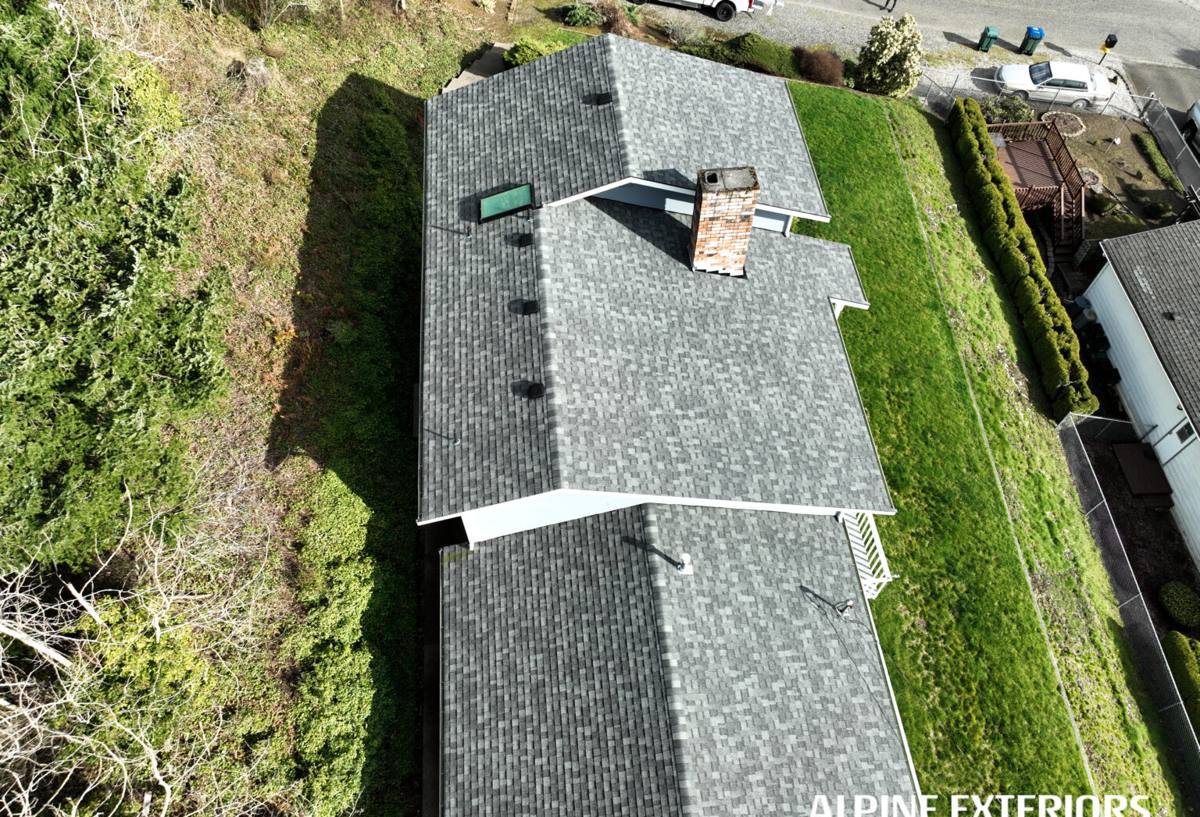
Coachman Ridge sits inland from the coast but still gets the full brunt of what Pinellas County weather throws at a roof. That's the thing a lot of homeowners don't realize until their shingles start failing early: distance from the water doesn't buy you much protection from wind, heat, or moisture in this part of Florida. An asphalt shingle roof in this neighborhood has to hold up to hurricane-force gusts, near-constant UV exposure, wind-driven rain that finds every gap in flashing, and salt-laden air that works its way inland on sea breezes off Tampa Bay and the Gulf. We install and repair asphalt shingle roofs for homes in this area regularly, and this page covers what actually matters for a roof here — not generic roofing advice.
What Coachman Ridge's Climate Does to a Shingle Roof
Every roofing material has a breaking point, and in this climate that point arrives faster than most manufacturers' glossy brochures suggest. Here's what we see repeatedly on inspections in this part of Clearwater:
Wind Uplift
Tropical storm and hurricane-force winds don't need a direct hit to cause damage. Sustained gusts from a passing system, or even a strong summer thunderstorm line, can lift shingle edges and tabs if the original installation used standard nailing patterns instead of high-wind-rated fastening. Once a few shingles lift, wind gets underneath the whole course and can peel back a section fast.
UV Degradation
Florida sun is relentless year-round — there's no real off-season for UV exposure here like there is farther north. UV breaks down the asphalt binders in shingles over time, drying them out and making them brittle. Brittle shingles crack instead of flexing, and cracked shingles lose their ability to shed water.
Wind-Driven Rain
Rain that comes in sideways during a storm doesn't behave like normal rainfall. It gets pushed up under shingle tabs, around vent boots, and into any flashing that's slightly loose or under-sealed. A roof that sheds a straight-down downpour just fine can still leak badly in a wind-driven event if the underlayment and flashing details weren't done right.
Salt Air
Coachman Ridge isn't beachfront, but salt-laden moisture travels well inland on Gulf breezes. Over years, that salt air accelerates corrosion on exposed metal — flashing, drip edge, nail heads, and roof vents — which is one more reason material choice and detailing matter more here than in a drier, inland climate.
What a Correct Asphalt Shingle Job Actually Involves
A lot of roofing problems we get called out for aren't shingle failures at all — they're installation shortcuts that only show up years later. A correct job for a home in this area includes:
- Tear-off to the deck (not a layover) so we can actually inspect the wood underneath for rot or soft spots before covering it back up
- Deck repair or replacement of any damaged sheathing, not just patching over it
- A high-quality synthetic or self-adhering underlayment as a true secondary water barrier, not just a thin felt layer
- Proper nailing pattern and nail placement matched to the shingle manufacturer's high-wind specification
- New flashing at every roof-to-wall transition, chimney, and valley — reused old flashing is a common shortcut and a common leak source
- Sealed and properly flashed vent boots and penetrations
- Ridge cap installed to spec, not just leftover shingle cut down
- Drip edge at all eaves and rakes to direct water away from the fascia
Skipping any one of these doesn't necessarily cause an immediate problem — that's exactly why it gets skipped. The failures show up two, five, or ten years later, usually during a storm, which is the worst possible time to discover it.
Choosing the Right Shingle for This Neighborhood
Not every asphalt shingle product is built the same, and for homes in this area we lean toward products with a genuine high-wind rating and a proven track record in coastal Florida conditions rather than the cheapest option on the shelf. Architectural (laminated) shingles generally outperform older three-tab styles here — they're heavier, have a stronger wind rating, and hold up better under UV exposure over the life of the roof. We'll walk through the specific product lines and their wind and warranty ratings during your estimate rather than pushing one brand as a blanket answer, because the right choice depends on your roof's slope, exposure, and your budget.
Cost Factors for Coachman Ridge Homes
| Factor | Why It Matters Here |
|---|---|
| Roof size and pitch | More material and steeper-pitch labor increase cost; steep roofs also need extra fall-protection setup |
| Deck condition | Rot or soft sheathing found during tear-off adds material and labor beyond the base quote |
| Number of penetrations | Each vent, pipe boot, and chimney needs its own flashing detail — more penetrations means more labor |
| Shingle tier | Standard architectural vs. premium high-wind-rated lines carries a real price difference, offset by longer service life |
| Layers to remove | A second layer of old shingles adds disposal cost and labor time during tear-off |
| Access and layout | Steep grades, fencing, pools, or tight side-yards can slow staging and add labor time |
We give a written, itemized estimate before any work starts, so you can see exactly what you're paying for rather than one lump number.
Our Process for Coachman Ridge Roofs
1. Inspection and Estimate
We walk the roof (not just a ground-level look with binoculars) and check the attic when accessible, documenting deck condition, flashing condition, and any existing damage. You get a written estimate with clear line items.
2. Material Selection
We go over shingle options, wind ratings, and warranty terms so you understand the trade-offs before you commit — no pressure to upgrade beyond what your roof actually needs.
3. Tear-Off and Deck Check
Full removal of old roofing material and a real inspection of the deck. Any rotted or damaged sheathing gets flagged and repaired before anything new goes down.
4. Underlayment and Flashing
New underlayment across the whole deck, new flashing at every wall transition, valley, and penetration. This is the layer that actually keeps water out if a shingle ever does get damaged — it deserves the same attention as the shingles themselves.
5. Shingle Installation
Installed to the manufacturer's high-wind nailing specification, with proper starter strips, ridge cap, and drip edge — the details that determine whether the roof performs in an actual storm versus just looking good on a calm day.
6. Final Walkthrough
We walk the finished job with you, clean the site, and make sure you know what's covered under workmanship and manufacturer warranty.
Why Local Experience in This Neighborhood Matters
A roofing crew that already works in Coachman Ridge and the surrounding Clearwater area knows things a traveling or out-of-area contractor doesn't — how tree canopy in older sections of the neighborhood affects debris buildup and moss growth, how HOA or permitting expectations run in this part of Pinellas County, and what wind exposure looks like on this side of the county versus closer to the barrier islands. That local knowledge shows up in small decisions — flashing details, ventilation choices, material selection — that add up to a roof that actually holds up rather than one that just checked the boxes on installation day.
Maintenance That Extends the Life of Your Roof
Even a well-installed shingle roof needs occasional attention in this climate. A simple maintenance routine goes a long way:
- Have the roof visually inspected after any major storm, even if you don't see obvious damage from the ground
- Clear debris and leaves from valleys and gutters so water doesn't pool or back up under shingle edges
- Check attic ventilation periodically — poor airflow traps heat and moisture, which shortens shingle life from underneath
- Address small issues (a lifted shingle tab, a cracked pipe boot) promptly rather than waiting for a leak to show up inside
- Have flashing and sealant checked every few years, since UV and salt air degrade sealants faster here than in milder climates
Signs Your Coachman Ridge Roof Needs Attention
Some warning signs are easy to catch early if you know what to look for:
- Shingles that look curled, cracked, or are missing granules (visible as bare, darker patches)
- Missing or lifted shingles after a windy day or storm
- Dark streaking, which is usually algae rather than structural damage, but worth noting
- Soft spots underfoot if you're ever up there, or sagging visible from the ground
- Water stains on interior ceilings, especially near chimneys, skylights, or exterior walls
- Granules collecting in gutters, a sign the shingle surface is wearing down
None of these automatically mean a full replacement — sometimes it's a repair. But catching them early keeps small problems from becoming deck damage or interior water intrusion.
Get a Straight Answer on Your Roof
If you're weighing a repair against a full replacement, or just want an honest read on how much life is left in your current shingles, we're happy to take a look and give you a clear, no-pressure estimate. Use the form below to request a free evaluation for your Coachman Ridge home.