 Clearwater Roofing
 Why Del Oro Roofs Wear Differently Than Roofs Inland
Del Oro sits close enough to the Gulf that every roof in the neighborhood is doing three jobs at once: shedding wind-driven rain, surviving gusts that come off open water with nothing to slow them down, and holding up under sun exposure that runs hard almost every month of the year. None of that is unique to one street or one house — it's the baseline for anything built in this part of Pinellas County. What it means practically is that a shingle roof here ages on a different clock than the same product would inland, and it needs to be installed with that clock in mind from day one.
Salt-laden air is the piece people underestimate. It doesn't just affect metal fasteners and flashing near the coast — it accelerates the breakdown of asphalt binders and speeds up granule loss over the life of a roof. Combine that with intense UV and the humidity swings that come with wind-driven rain, and you get a roof that can look fine from the driveway while quietly losing the qualities that make it weathertight. A roof installed the same way it would be in a drier, calmer climate is starting the clock at a disadvantage.
What a Correct Asphalt Shingle Job Actually Involves
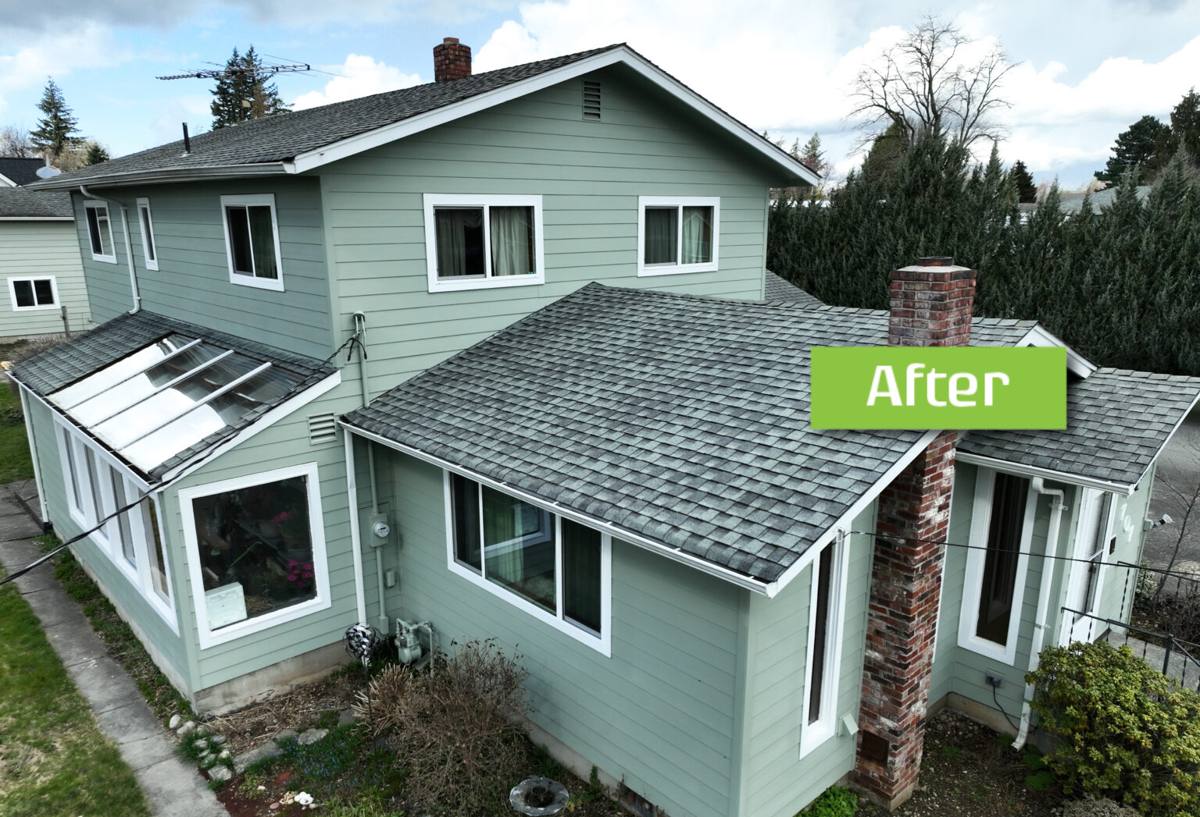
Asphalt shingles are a mature, well-understood product. The shingle itself rarely fails on its own — what fails is everything underneath and around it when it's installed to a minimum standard instead of a Florida standard. A correct job means paying real attention to the layers most homeowners never see.
Underlayment and Deck Prep
The roof deck gets inspected and any soft or delaminated plywood is replaced before anything goes back down — covering a bad deck with new shingles just hides the problem. Over that, we use an underlayment rated for wind-driven rain intrusion, not the lightest felt that meets code minimums. In a climate where rain rarely falls straight down, this layer is doing more work than people assume.
Nailing Pattern and Fastener Count
Shingle wind ratings are only as good as the installation behind them. Hand-nailing or careful gun calibration, correct nail placement in the manufacturer's nailing zone, and the right number of fasteners per shingle all matter more here than in a low-wind region — this is one of the most common places corners get cut on a rushed job, and it's invisible until a storm tests it.
Flashing at Every Penetration
Valleys, chimneys, plumbing stacks, and roof-to-wall transitions are where the vast majority of leaks actually start, not in the open field of shingles. Properly formed and sealed flashing at each of these points is non-negotiable, and it's worth asking any contractor exactly what flashing approach they use before they start.
Shingle Options for This Climate
Not every asphalt shingle product is built for the same conditions. Homeowners in Del Oro are usually choosing between a few tiers, and the right pick depends on budget, how long you plan to stay in the home, and how much wind and impact resistance you want built in.
| Shingle Type | Typical Wind Rating | Best For | Trade-Offs |
|---|---|---|---|
| 3-Tab | Lower end of the range | Budget-conscious reroofs | Shorter service life in coastal wind exposure |
| Architectural / Dimensional | Mid to upper range | Most Del Oro homes | Higher upfront cost, better long-term value |
| Impact-Rated Architectural | Highest available in shingle products | Homes seeking insurance credits or extra storm protection | Highest material cost, may qualify for windstorm mitigation discounts |
We don't push impact-rated product on every homeowner — it's a real cost increase and not everyone needs it. But for a Del Oro home, we'll always walk through what each tier actually buys you in wind performance and what it might do to your windstorm insurance premium, because that math is often better than people expect.
How Our Process Works
The process is the same whether it's a small repair or a full reroof — what changes is the scope, not the standard.
- On-site inspection. We look at the deck, the existing flashing, attic ventilation, and any visible wear before quoting anything.
- Honest scope and written estimate. You get a clear breakdown of materials, labor, and what condition we found the deck and flashing in — no surprise change orders for things we could have caught up front.
- Permitting. Reroofs in Pinellas County require a permit and inspection. We handle that paperwork as part of the job.
- Tear-off and deck inspection. Old material comes off down to the deck so we can actually see what we're working with, not guess from the surface.
- Underlayment, flashing, and shingle installation. Done to the standard described above, not the code minimum.
- Cleanup and final walk-through. Magnetic sweep for nails, debris removed, and a walk-through so you know exactly what was done.
Wind, Storm Season, and Local Permitting
Pinellas County's building code reflects the fact that hurricane-force winds are a realistic annual risk here, not a hypothetical. That means permitted reroofs are inspected against wind-resistance requirements, and the paperwork isn't optional or a formality — it's what protects you if a storm does test the roof and you need to file an insurance claim. A roof installed without proper permits can create real problems at claim time, even if the workmanship was fine.
Storm season also affects timing. Scheduling a reroof before hurricane season, or getting storm damage assessed and repaired quickly afterward, matters more here than it does in most of the country. A crew that already works this area understands that urgency and plans around it instead of treating every job as first-come, first-served regardless of storm exposure.
Attic Ventilation: The Part Nobody Sees
Florida attics run hot, and a poorly ventilated attic shortens shingle life from underneath — heat gets trapped, shingles bake from both sides, and moisture from humidity swings has nowhere to escape. Balanced intake and exhaust ventilation is part of doing a shingle roof correctly here, not an upsell. On a reroof, we check existing ventilation and flag it if it's inadequate, because installing new shingles over a poorly ventilated attic just resets the clock on the same underlying problem.
Signs Your Attic Ventilation May Be Working Against Your Roof
- Attic noticeably hotter than expected even with insulation present
- Shingles showing granule loss or curling faster than their expected age would suggest
- Visible moisture staining on the underside of the roof deck
- Musty smell in the attic during humid months
- Ice-dam-style staining is not a Florida concern, but similar water staining near ridges or valleys is worth investigating
Maintenance and What to Watch For
Asphalt shingle roofs don't need much, but a little attention extends their life meaningfully in this climate. Most of what shortens a roof's life here is neglect of small issues that were cheap to fix early and expensive to fix late.
- Walk the yard after major storms and look for granules collecting in gutters or downspouts
- Check for lifted or missing shingles after high-wind events, even if there's no visible leak yet
- Keep gutters clear so wind-driven rain has somewhere to go besides under the shingle edge
- Trim back overhanging branches that hold moisture against the roof surface or drop debris
- Have flashing around chimneys, vents, and skylights checked every couple of years, since sealant degrades faster under constant UV
- Don't ignore small interior ceiling stains — they're almost always cheaper to chase down early
What a Repair Estimate Should Actually Cost
Costs vary by scope, roof pitch, and how much of the deck needs replacement, so we won't quote a number sight unseen — but here's what tends to drive the price up or down on a typical Del Oro home.
| Factor | Pushes Cost Up | Keeps Cost Down |
|---|---|---|
| Roof deck condition | Water damage or soft plywood found under old shingles | Deck in solid condition, minimal replacement needed |
| Shingle tier | Impact-rated or premium architectural product | Standard architectural shingle |
| Roof complexity | Multiple valleys, dormers, steep pitch | Simple roof lines, moderate pitch |
| Access | Tight lot, limited staging area | Easy equipment and material access |
| Timing | Emergency post-storm scheduling | Planned, off-peak scheduling |
Why a Crew That Already Works Del Oro Matters
Roofing quality comes down to the same fundamentals everywhere — but a crew that regularly works this specific area has practical advantages that show up in the details. We already know which Pinellas County permit and inspection steps apply, so there's no learning curve that delays your job. We're familiar with how salt air and coastal wind exposure affect fastener and flashing choices in this pocket of Clearwater specifically, not just generically. And because we're already working nearby, scheduling, material delivery, and any warranty follow-up don't involve a crew driving in from across the region.
That local presence also matters after the sale. If a flashing seal needs a look two years later or a storm raises a question about a section of roof, a contractor based in the area is a far easier call to make than one that was only ever passing through for a single job.
Get a Straightforward Estimate
If your Del Oro home needs a roof inspection, a repair, or a full reroof, we're happy to take a look and walk you through exactly what we find — no pressure, no inflated scare tactics, just an honest assessment and a clear estimate. Use the form below to request a free estimate.