 Clearwater Roofing
 Windows Built for Downtown Clearwater's Conditions
Downtown Clearwater sits close enough to the Gulf that its homes take a different kind of weather beating than properties further inland in Pinellas County. Salt-laden air corrodes hardware and frames faster here. Summer sun angles hit west- and south-facing windows hard for most of the day, breaking down seals and fading interiors. And when storms roll in off the water, wind-driven rain gets pushed sideways into gaps that would never leak in a calmer climate. A window that's "good enough" in a landlocked market often isn't good enough two or three miles from open water.
That's the starting point for any window installation work we do downtown: the product and the install method both have to answer to salt air, UV load, and wind-driven rain, not just look right on move-in day.
What Downtown Clearwater Homes Are Actually Working With
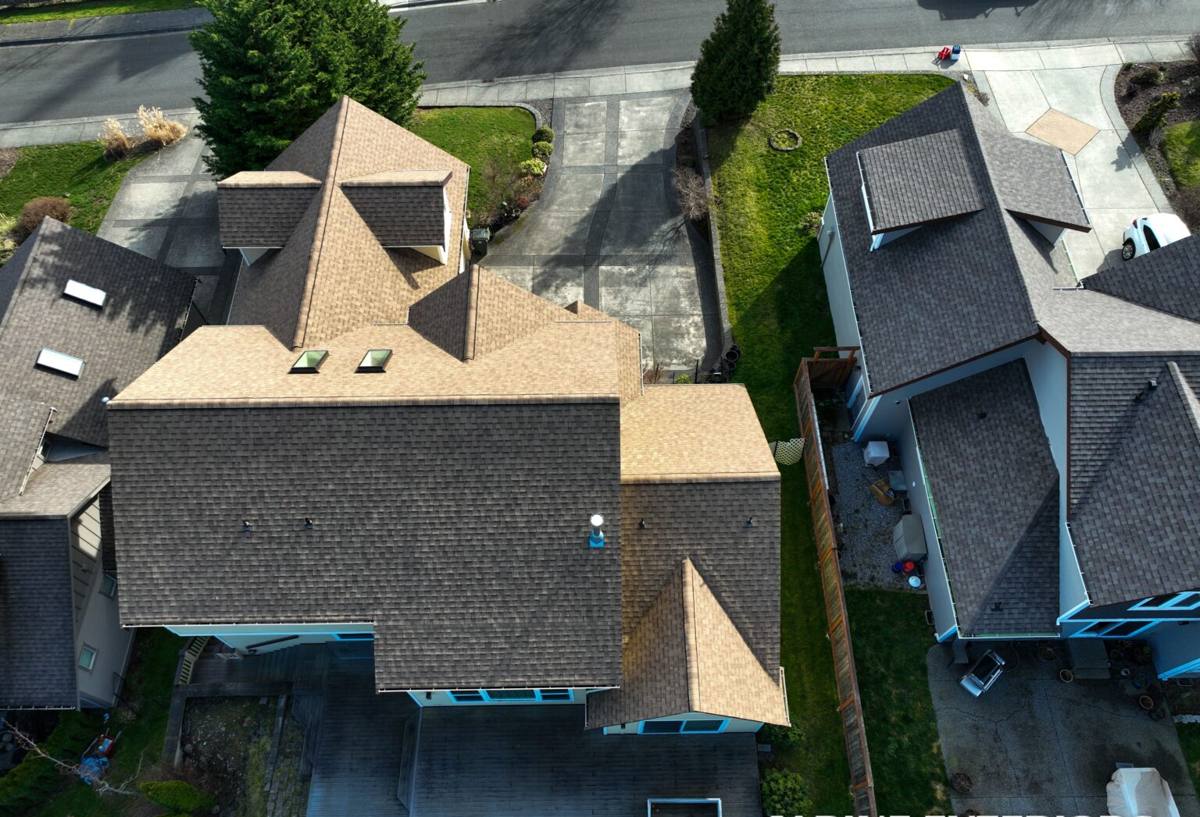
The downtown area has a mix of older single-family homes, bungalows, and smaller multi-unit buildings alongside newer construction and condo conversions. That mix matters for window work:
- Older homes often still have original wood or early-generation aluminum frames, sometimes with settling or minor rot around the opening that has to be addressed before a new window goes in — not covered over.
- Additions and older renovations sometimes have openings that are slightly out of square, which changes how a window has to be shimmed and flashed to seal correctly.
- Closer-in properties can have limited driveway or street access, which affects how we stage material and equipment on install day.
- Some structures fall under downtown design or historic-character expectations, which can influence frame color, grid pattern, or trim profile even when the glass and performance spec stay the same.
None of this is unusual for a coastal downtown core — it just means a crew needs to actually look at the opening before quoting the job, not size a window off a generic measurement.
What a Correct Window Installation Involves
It's Not Just the Window Unit
The window itself — vinyl, aluminum, or impact-rated glass — is only part of what keeps water and air out. The installation details around it do most of the work:
- Opening prep: removing the old unit cleanly, checking the framing and sill for rot or moisture damage, and correcting it before anything new goes in.
- Flashing and water management: a proper flashing sequence directs any water that gets past the window itself back out, instead of into the wall cavity.
- Sealant, not just caulk: the right sealant at the right joints, applied so it can actually flex with the building instead of cracking after one season of heat cycling.
- Fastening to code: anchoring that meets Florida Building Code wind-load requirements for this coastal wind-borne debris region, not just "screwed in tight."
- Interior and exterior trim-out: finishing that seals the edges and gives the window a clean, finished look inside and out.
Skip or rush any one of these and the window can look fine for a year or two before a leak, a soft spot in the drywall, or a frame that won't seal shows the shortcut.
Impact-Rated vs. Standard Windows
Pinellas County is in Florida's wind-borne debris region, which means new and replacement windows in most of this area need to either be impact-rated or be protected by code-compliant shutters. For downtown Clearwater specifically, impact-rated windows are usually the more practical long-term choice — they handle storm debris, cut down on outside noise, and don't require you to install and store separate shutter panels every time a storm is forecast. We'll walk you through what applies to your specific property and permit requirements before you commit to a product.
Comparing Your Options
| Factor | Impact-Rated Vinyl | Impact-Rated Aluminum | Standard (Non-Impact) + Shutters |
|---|---|---|---|
| Upfront cost | Moderate | Higher | Lower window cost, added shutter cost |
| Salt air resistance | Good — won't corrode | Good with proper coating; needs upkeep | Depends on frame material |
| Storm prep effort | None — always protected | None — always protected | Shutters must be installed before each storm |
| Noise reduction | Strong | Strong | Standard, unless shutters are up |
| Maintenance | Low | Moderate | Low on window, moderate on shutter hardware |
There's no single right answer for every house — a small guest cottage with limited storm exposure has different needs than a west-facing living room that takes direct afternoon sun and weather. We'll talk through the trade-offs for your specific windows rather than push one product across the board.
Our Installation Process
1. On-Site Assessment
We look at each opening individually — framing condition, squareness, existing flashing or water damage, and how sun and wind exposure differ from one side of the house to another. This is also when we measure for accurate, made-to-fit units instead of stock sizing.
2. Product Selection
Based on that assessment, we walk you through frame material, glass package, and impact rating options that fit your budget and how the house is actually exposed to weather — not a one-size-fits-all recommendation.
3. Permitting
Window replacement in Clearwater generally requires a permit, and impact-rated products need to meet the specific wind-load and product-approval documentation the city and Pinellas County require. We handle this paperwork rather than leaving it for you to sort out.
4. Removal and Prep
Old windows come out carefully to avoid damaging surrounding stucco, siding, or trim. Any rot, soft framing, or old sealant failure gets addressed here — this is the step that gets skipped when installs go bad, and it's the one we don't skip.
5. Installation
Each unit is set plumb and square, flashed, sealed, and anchored to current Florida Building Code wind-load standards for this region.
6. Trim-Out and Cleanup
Interior and exterior trim is finished, hardware is tested, and the site is cleaned up — old windows and debris hauled off, not left for you to deal with.
7. Final Walkthrough
We test every window with you before we call the job done — smooth operation, tight seals, and a look at the finished trim work.
Why a Crew That Already Works Downtown Clearwater Matters
Window installation quality depends a lot on local familiarity that doesn't show up on a spec sheet. A crew that regularly works Downtown Clearwater already knows what older homes in this pocket of Pinellas County tend to have going on behind the wall — the kinds of framing quirks, past renovation shortcuts, and moisture patterns that are common here. That means fewer surprises mid-job and fewer change orders once the old window comes out.
There's also the practical side: navigating tighter downtown lots, coordinating parking and material staging on narrower streets, and being available for a callback without a long drive across the county. A crew based in and working this area regularly can get to you faster if something needs a follow-up look after a storm.
Signs Your Windows Need Attention
- Fogging or condensation between panes — the seal has failed and the insulating gas is gone.
- Difficulty opening, closing, or locking — frames have shifted or warped.
- Visible daylight or a draft around the frame when the window is closed.
- Soft trim, bubbling paint, or a musty smell near the window — signs water is getting past the seal.
- Chalky, pitted, or corroded aluminum hardware — common after years of salt air exposure this close to the Gulf.
- Noticeably higher cooling bills without another clear cause.
Keeping New Windows Performing After Install
Even a correctly installed window benefits from basic upkeep in this climate. Rinse frames and tracks periodically to clear salt residue before it can pit hardware. Check exterior sealant lines once a year, especially after a rough storm season, and have any cracking or separation addressed before it turns into a leak. Keep weep holes on the exterior sill clear of debris so water can drain the way it's designed to.
Questions to Ask Before Hiring a Window Installer
- Are you licensed and insured to do this work in Florida?
- Will you pull the required City of Clearwater / Pinellas County permit, or is that on me?
- What's your process for water and moisture issues you find once the old window is out?
- What wind-load rating does this window meet, and is that documented for the permit file?
- What does the warranty cover — the product, the labor, or both — and for how long?
A contractor who answers these plainly, without hedging, is usually one who does the work the same way.
If you're weighing a window replacement or repair for a Downtown Clearwater property, we're glad to take a look and walk you through what your specific home actually needs. Use the form below to request a free, no-pressure estimate.