 Clearwater Roofing
 Harbor Oaks Roofs Work Harder Than Most
Homes in Harbor Oaks sit under a Florida sun that doesn't take a season off, and they take it from every direction: intense year-round UV breaking down roofing materials from above, salt-laden air drifting in off the Gulf and speeding up corrosion on metal components, and the wind-driven rain that comes with almost every serious Pinellas County storm. Add hurricane-force gusts to that mix and you have a roofing environment that punishes shortcuts. A roof that would last two or three decades in a mild inland climate can fail early here if it wasn't designed, installed, and fastened for coastal Clearwater conditions from day one.
That's the starting point for any new roof installation conversation in this neighborhood. It isn't just about picking a shingle color. It's about matching the deck, underlayment, flashing, fastening pattern, and ventilation to what this specific stretch of coastline throws at a house year after year.
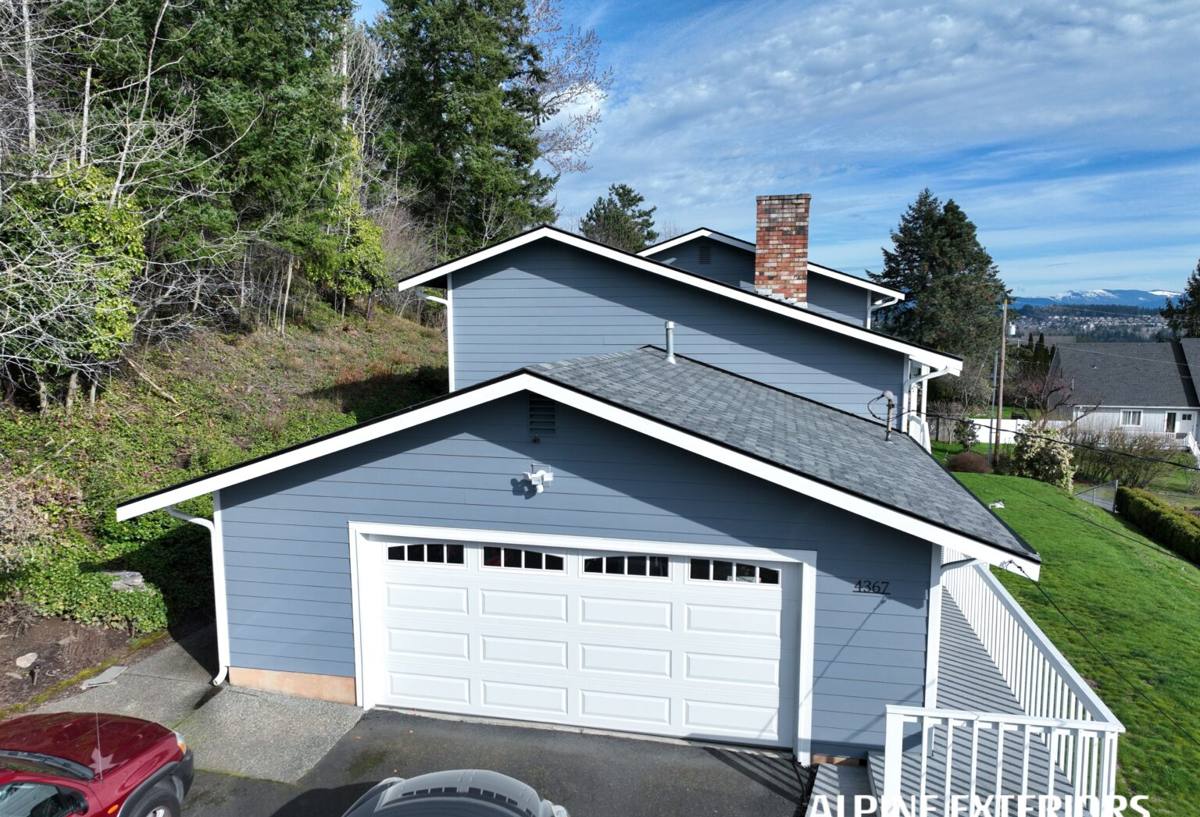
Why "New Roof" Beats "Another Repair" in Some Cases
Not every aging roof needs full replacement, but there's a point where patch-and-repair stops making sense. If your Harbor Oaks home is showing several of the following, a new roof is usually the more honest recommendation than another round of spot repairs:
- Shingles that are cupping, cracking, or losing granules across large sections rather than one isolated area
- Repeated leaks in different spots after storms, rather than the same recurring point
- Visible sagging in the roof deck, which points to underlying structural or moisture damage
- A roof older than its material's realistic service life in this climate, even if it "looks fine" from the ground
- Multiple layers of old shingles already stacked underneath the current one
- Difficulty getting affordable insurance coverage or a wind mitigation credit because of roof age or condition
When two or three of these show up together, the math usually favors replacement — you stop paying repeatedly for repairs on a roof that's still going to fail during the next major wind event.
What a Correct Installation Actually Involves
A new roof is only as good as the parts nobody sees once it's finished. On a Harbor Oaks home, we treat the following as non-negotiable, not upsells:
Deck Inspection and Repair
Every new roof starts with the plywood or OSB deck underneath the old material. Any wood that's soft, delaminated, or water-stained gets replaced before anything new goes down. Installing new shingles or metal over a compromised deck just hides a problem that will resurface as a leak or a fastener that won't hold in high wind.
Underlayment Built for Wind-Driven Rain
Standard felt underlayment has its place, but on a coastal Clearwater roof exposed to wind-driven rain, a synthetic or self-adhering underlayment gives a more reliable second line of defense if wind ever lifts or damages the primary roofing material during a storm.
Flashing at Every Transition
Valleys, chimneys, skylights, sidewalls, and vent penetrations are where the overwhelming majority of roof leaks actually start — not in the open field of shingles. Correctly formed and properly lapped flashing at each of these points matters more to long-term leak prevention than almost any other single detail.
Fastening for Hurricane-Force Wind
How a roofing material is nailed or fastened down, not just what material is used, determines whether it survives a high-wind event. That means the correct nail count and placement per shingle, proper fastener length into the deck, and following manufacturer specifications for high-velocity hurricane zones rather than the minimum standard used elsewhere in the state.
Ventilation That Protects the Deck From Inside Out
Intense year-round Florida sun heats attics from above; a roof system without balanced intake and exhaust ventilation traps that heat, which shortens shingle life and can accelerate deck deterioration from the underside. Ventilation is part of a new roof installation, not an optional add-on.
Comparing Roofing Materials for a Harbor Oaks Home
There's no single "best" roofing material for every home — the right choice depends on your roof's slope, your home's style, your budget, and how much long-term maintenance you want to take on. Here's how the common options stack up for coastal Pinellas County conditions:
| Material | Coastal Wind/Salt Performance | Typical Maintenance | Relative Upfront Cost |
|---|---|---|---|
| Architectural (dimensional) asphalt shingles | Good, when rated and fastened correctly for high-wind zones | Low to moderate | $ |
| Standing seam metal | Excellent wind resistance; needs coastal-rated fasteners and coatings to manage salt air | Low | $$$ |
| Concrete or clay tile | Very good wind and heat performance; underlayment and flashing quality matter even more than the tile itself | Moderate (occasional cracked-tile replacement) | $$$ |
| 3-tab asphalt shingles | Lower wind rating than architectural shingles; not our recommendation for this coastline | Low to moderate | $ |
We don't install every option on this list on every home. For example, we generally steer homeowners away from 3-tab shingles on wind-exposed coastal properties — not because the product is defective, but because its wind rating and profile simply aren't built for the gusts this area sees, and the cost difference versus architectural shingles is usually modest relative to the added durability.
How Our Installation Process Works
- On-site inspection and honest assessment. We look at the deck, flashing, ventilation, and any interior signs of past leaks before recommending replacement over repair.
- Material and system selection. We walk through the trade-offs in the table above based on your roof's slope, your home's architecture, and your budget — no pressure toward the most expensive option.
- Permitting. New roof installations in Clearwater require a permit and inspection under the Florida Building Code; we handle that paperwork so you don't have to chase it down.
- Tear-off and deck inspection. Old roofing comes off down to the deck, and any damaged wood is documented and replaced before moving forward.
- Underlayment, flashing, and ventilation installation. These layers go in before the visible roofing material, following the wind and moisture standards described above.
- Roofing material installation. Shingles, metal panels, or tile go down using the fastening pattern and spacing specified for high-wind coastal zones.
- Final inspection and cleanup. A completed roof gets a final walk-through, a magnetic nail sweep of the property, and coordination with the county inspector as required.
Permits, Codes, and Wind Mitigation in Pinellas County
Roofing in Clearwater isn't a handshake-and-go job. The Florida Building Code sets minimum standards for wind resistance, fastening, and underlayment in High-Velocity Hurricane Zones and coastal wind-borne debris regions, and Pinellas County requires permitted work with inspections at defined stages. Skipping or faking this process isn't just risky — it can void manufacturer warranties and create real problems when you go to sell the home or file an insurance claim.
It's also worth scheduling a wind mitigation inspection once your new roof is complete. That inspection documents features like your roof's fastening method, roof-to-wall connections, and secondary water barrier — details that can qualify you for meaningful discounts on Florida homeowners insurance, which matters a great deal in a county where premiums already reflect hurricane exposure.
Why Local Experience in Harbor Oaks Matters
A roofing crew that already works in Harbor Oaks brings something a random out-of-town installer can't: familiarity with the housing stock, the typical roof slopes and ages in the neighborhood, and the practical realities of scheduling around Florida's storm season. Local crews also tend to have a better working relationship with the county permitting office, which keeps projects from stalling in paperwork. And because we're not driving in from another part of the state, follow-up after a storm or a warranty question isn't a multi-hour trip — it's a normal part of doing business in the community we already serve.
Coastal roofing also isn't something you learn once and apply everywhere identically. Salt air corrosion, wind-driven rain intrusion at flashing points, and UV degradation all behave differently here than they do fifty miles inland, and a crew that sees these conditions daily catches details a generalist might miss.
Checklist: What to Ask Before You Hire a Roofing Contractor
- Are you licensed to perform roofing work in Florida, and can you provide proof of liability and workers' compensation insurance?
- Will you pull the required Pinellas County permit, or is that left to me?
- What underlayment and flashing details do you use, specifically, for wind-driven rain protection?
- What wind rating does the proposed material carry, and is it appropriate for a coastal wind-borne debris region?
- Will the deck be inspected and any damaged sections replaced before new material goes down, with that noted in writing?
- Do you provide documentation I can use for a wind mitigation insurance inspection after the job is done?
- What does the warranty cover — materials, workmanship, or both — and for how long?
Any contractor who hesitates on these questions, or waves off the permit requirement, is worth reconsidering before you sign anything.
After Installation: Protecting Your Investment
A new roof isn't maintenance-free, even a well-built one. A simple twice-yearly visual check — ideally before and after hurricane season — for lifted shingles, debris buildup in valleys, and clear gutters goes a long way. Keeping overhanging branches trimmed back reduces both debris accumulation and the risk of impact damage during high winds. If you ever notice a leak, granule loss in gutters, or visible flashing separation, addressing it early is almost always cheaper and simpler than waiting until it becomes a larger repair.
If your Harbor Oaks roof is showing its age, or you just want a straight answer about whether repair or replacement makes more sense for your home, we're happy to take a look. Reach out for a free, no-pressure estimate using the form below.